Balance Toner Pads vs Essential Boost Serum
Toner pads fit rough surface texture; serum fits daily tone support and barrier care. Compare use frequency, sensitivity, and layering.
Key takeaways
- Polyhydroxy acids have a larger molecular size and penetrate more slowly than alpha hydroxy acids.
- Panthenol serves as a humectant and soothing ingredient to help support the skin.
- Exfoliating toner pads should be introduced to a skincare routine gradually.
Which should you start with for texture and post-acne marks?
Start with exfoliating pads for rough surface buildup; start with serum for reactive skin, daily tone support, and barrier repair.
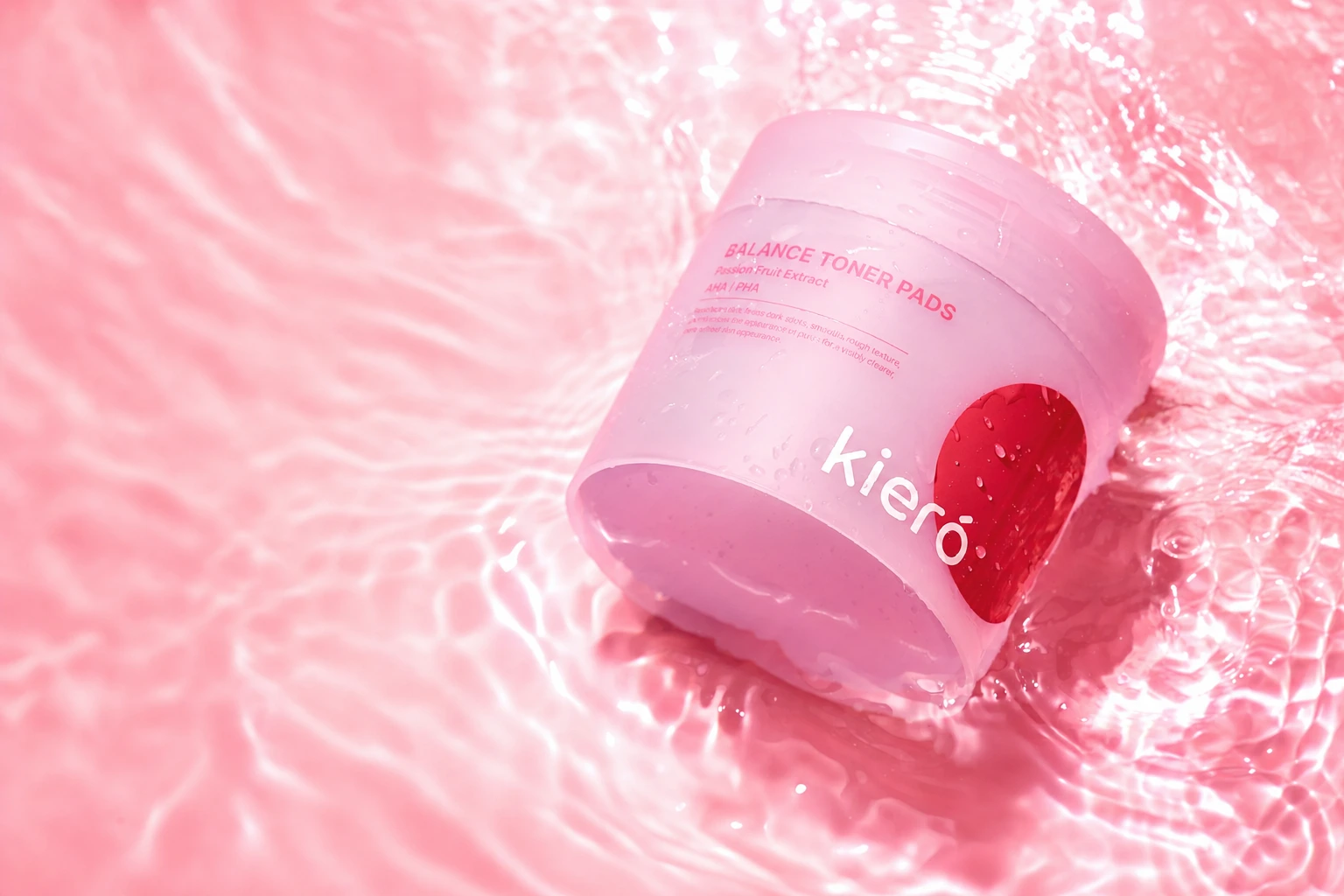
If your skin feels bumpy when you run a finger across it, looks dull by midday, or clogs easily in heat, Balance Toner Pads are the more direct first step. They use maracuyá extract with alpha hydroxy acid and polyhydroxy acid to help renew the surface layer, soften rough texture, and reduce the look of dark spots over time.
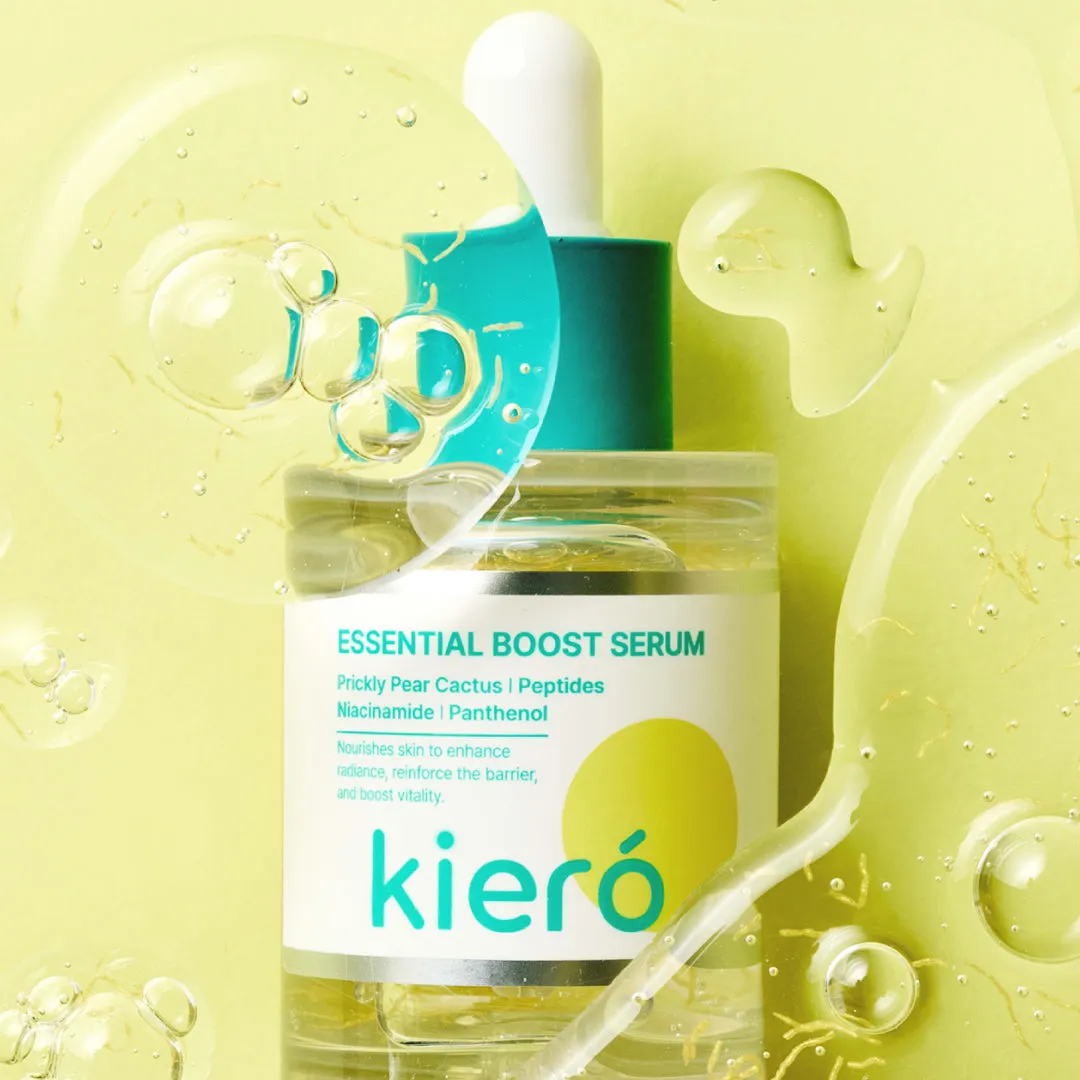
If your skin stings easily, flushes after actives, or shows post-acne marks even when the surface feels smooth, Essential Boost Serum is the safer starting point. It is a lightweight serum with prickly pear cactus, peptides, niacinamide, and panthenol, designed to nourish the skin while supporting the barrier.
For textured skin hyperpigmentation, the choice depends on what you see first. Texture usually needs controlled exfoliation. Marks and sensitivity usually need daily support. The research logic fits that split: polyhydroxy acids penetrate the skin more slowly than alpha hydroxy acids, while ingredients like hyaluronic acid, ceramides, and panthenol can act as humectants and soothing agents to support the skin barrier (Journal of Drugs in Dermatology, 2026; SA Materials, 2026).
A practical way to decide:
- Choose Balance Toner Pads first if your main complaint is uneven touch, clogged surface cells, visible pores, or dullness after sunscreen and sweat.
- Choose Essential Boost Serum first if your main complaint is redness, tightness, post-acne marks, or skin that reacts when you add new products.
- Choose both later only if your skin tolerates the first product for several weeks without stinging, peeling, or new redness.
How do the two products compare for sensitive skin?
Exfoliating pads and hydrating serums serve different roles in a skincare routine.
| Decision point | Balance Toner Pads | Essential Boost Serum |
|---|---|---|
| Product type | Toner pad | Hydrating serum |
| General role | Surface exfoliation | Hydrating support |
| Introduction | Introduce gradually | Use as needed |
The introduction rate matters most for sensitive skin. Exfoliating pads are not meant to act like a daily wipe for every skin type. It is often recommended to introduce exfoliating products gradually depending on your skin's tolerance.
The ingredient types are just as important as the format. Exfoliating formulas often include acids to target texture, while hydrating serums typically use soothing ingredients like panthenol to support the skin.
If your skin is both bumpy and reactive, do not start both on the same night. Start with a hydrating product like Essential Boost Serum, then add an exfoliating product like Balance Toner Pads slowly once the skin feels stable.
How do PHA pads differ from a daily serum?
Different formulas serve distinct purposes in a skincare routine. Polyhydroxy acids (PHAs) have a larger molecular size and penetrate more slowly than some other acids, offering a way to target surface buildup.
A hydrating serum works on a different principle, delivering moisture-supporting ingredients to help soothe the skin rather than breaking down surface bonds.
Humid climates make this distinction more useful. In warm, sweaty weather, heavy routines can feel uncomfortable, and over-cleansing can leave the skin tight. A lightweight serum can sit in a morning routine without adding the same exfoliation load as an acid step. An exfoliating pad can then stay in the night routine, used only when the skin feels congested.
For a balanced routine, the standard plan is usually one active role at a time: exfoliate when buildup is the problem, and focus on soothing the skin when reactivity is the problem. If sunscreen tends to slide off in heat, choosing lightweight textures can help. For more details, see the guide on keeping sunscreen from sliding off in heat.
How should you apply them without over-exfoliating?
Use toner pads on limited days, use serum on other days, and pause exfoliation when skin feels reactive or shows increased redness.
A simple routine is often best. Exfoliating toner pads should be introduced to a skincare routine gradually. After cleansing, a pad can be gently swept over target areas.
- Cleanse with a gentle face wash and pat skin dry.
- If exfoliating, use a toner pad on target areas.
- Follow with a basic moisturizer if needed.
- On non-exfoliation nights, focus on skin hydration.
- Apply sunscreen daily to protect the skin.
The main mistake is treating an exfoliating pad like a daily cleansing shortcut. If your skin feels reactive or shows increased redness, stop exfoliating until it feels normal again. Over-exfoliation can compromise the skin, especially when reactive skin is pushed with too many actives at once.
Many skincare routines suggest a gradual introduction of exfoliating products. For many people with sensitive skin, starting slowly is enough.
Essential Boost Serum can carry the routine on other nights to provide hydration. That is why a hydrating-first routine often makes sense before adding acids.
Can you combine these products in one routine?
You can combine different products in a routine, but spacing is key: avoid stacking multiple acid-based products in the same session.
The safest way to use both is not to make every night an active night. Focus on exfoliating on some days, and using hydration on other days. If your skin is already comfortable with acids, you can apply a soothing serum after exfoliation, but do not add another acid serum in the same routine.
This is the routine logic:
| Routine night | What to use | Why it works |
|---|---|---|
| Active night | Cleanser, exfoliating product, moisturizer | Keeps the exfoliation step focused |
| Hydration night | Cleanser, hydrating serum, moisturizer | Supports skin hydration |
| Resting night | Cleanser, basic moisturizer | Gives skin a break when needed |
| Morning after | Hydration, sunscreen | Helps protect the skin |
Humectants and soothing ingredients can be useful in this kind of plan to help buffer irritation (SA Materials). That does not mean hydration makes over-exfoliation harmless. It means the recovery side of the routine should be treated as part of the plan, not an optional extra.
For post-acne marks, combining exfoliation with brightening support can make sense when the skin tolerates it. NBC News’ toner-pad reporting notes that acid exfoliation paired with brightening support is commonly used to improve dark spots and radiance (NBC News). The key is pacing. Marks respond slowly, while irritation can appear quickly.
For more details on routine order, see the guide on layering toner pads with niacinamide and ceramides. You can also compare textures using the peptide serum vs snail mucin guide.
Build a lighter texture routine
Choose the Kiero collection that matches your first concern: surface texture, hydration, or sun-barrier support for warm-weather skin.
FAQS