Layer Toner Pads With Niacinamide and Ceramides
Sensitive textured skin can use toner pads, niacinamide, and ceramides safely with a 3-step PM routine and a 2-night weekly start.
Key Takeaway
- Sensitive textured skin can layer toner pads, niacinamide, and ceramides in this order: exfoliating pad, serum, barrier cream.
- Increase frequency only if the skin stays calm, and pause if plain moisturizer stings.
- PHAs are preferred for reactive texture because they penetrate more slowly and reduce stinging compared with traditional AHAs.
Sensitive textured skin can use exfoliating toner pads safely when the routine is short, buffered, and low-frequency. The safest default is a PM routine that starts with a mild AHA/PHA pad, follows with niacinamide and panthenol, and finishes with a ceramide-rich moisturizer.
For Kiero, that means pairing Balance Toner Pads, Essential Boost Serum, and Moisturizing Barrier Cream as a controlled barrier-first routine rather than treating exfoliation as a daily scrub step. The goal is smoother texture and more even-looking tone without pushing reactive skin into redness, itching, or barrier thinning.
How should you choose toner pads for sensitive skin?
PHA-based, essence-soaked toner pads are usually safer for reactive texture than harsh astringent pads or rough scrub surfaces. Choose mild acids, cushioning humectants, and a smooth pad.
Polyhydroxy acids such as gluconolactone have a larger molecular size, so they penetrate the skin more slowly than many smaller exfoliating acids. An article in the Journal of Drugs in Dermatology notes that PHAs are considered superior for textured, reactive skin.
Clinical evidence also supports the comfort advantage: PHAs significantly reduced stinging compared with traditional alpha hydroxy acids, with a reported P value of 0.029 (Journal of Drugs in Dermatology). That does not mean every reactive face can exfoliate without irritation. It means the acid type, pad texture, and frequency matter.
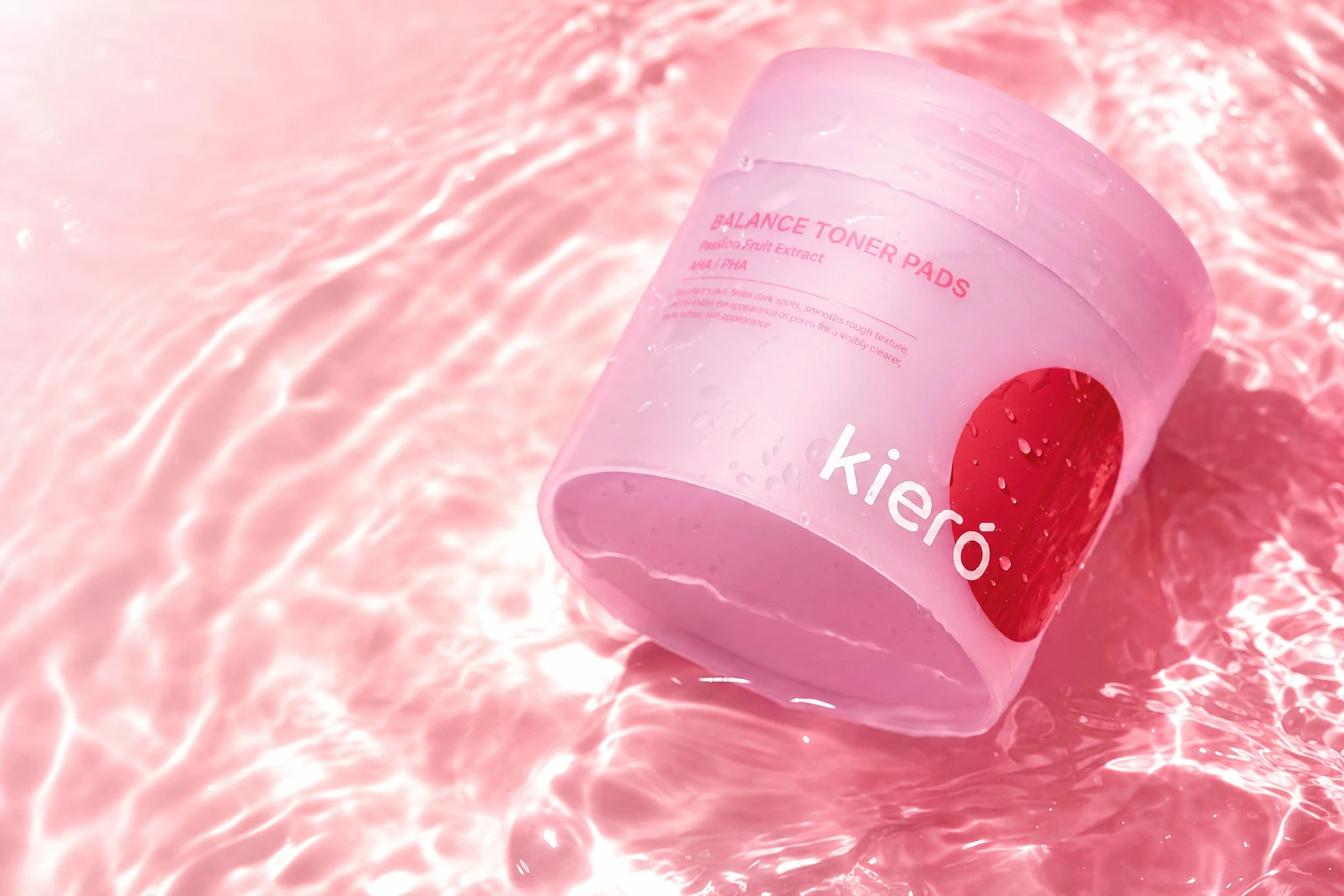
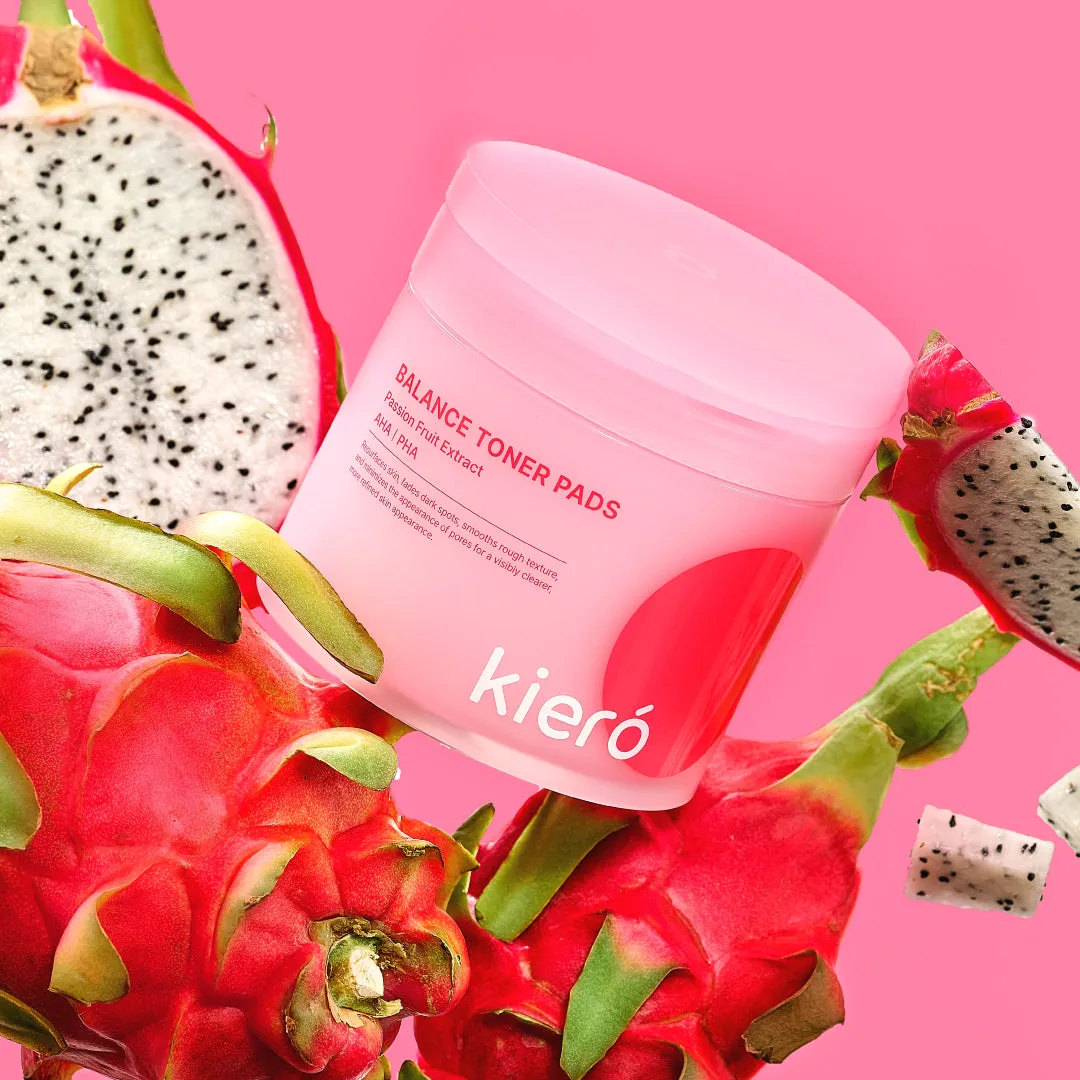
When using Balance Toner Pads on sensitive skin, use them as a light swipe product, not a rubbing tool.
Balance Toner Pads
Exfoliating toner pads with passion fruit extract, AHA, and PHA for rough texture, dark spots, and the appearance of pores.
| What to check | Better for reactive skin | Higher irritation risk |
|---|---|---|
| Acid type | PHA such as gluconolactone, or a low-dose AHA/PHA blend | Strong daily acid blends or high-concentration salicylic acid |
| Pad surface | Smooth, non-embossed cotton | Rough, embossed, scrubby, or abrasive pads |
| Cushioning effects | Hyaluronic acid, panthenol, and essence-style slip | Alcohol-heavy formulas that dry quickly |
| Calming support | Mild calming ingredients | Strong fragrance, essential oils, or menthol-heavy formulas |
| Application pressure | One gentle pass over each area | Repeated rubbing over cheeks, jaw, or active breakouts |
According to Dermis Research, smooth, non-embossed cotton pads reduce the risk of mechanical micro-abrasion and barrier thinning during exfoliation. According to an Allure report, top-rated Korean toner pads often combine hyaluronic acid and panthenol to cushion the effects of mild chemical exfoliants.
If you shop locally in areas with K-beauty boutiques, such as the greater Paramount and Cerritos area, check that the pads are essence-soaked rather than alcohol-based. That distinction matters more than the word “toner” on the label.
What do niacinamide and ceramides do after toner pads?
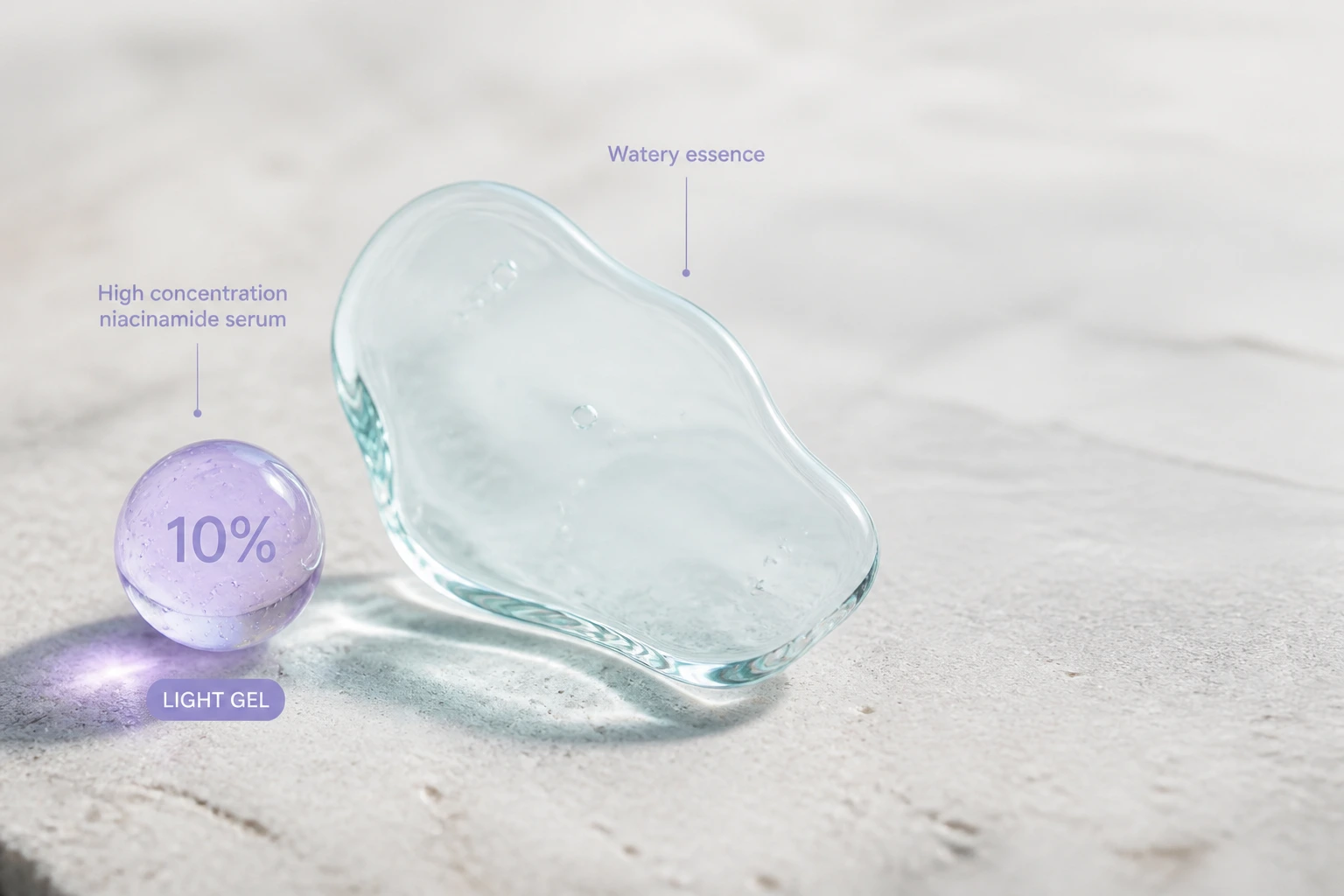
Niacinamide helps regulate oil and initiate barrier repair after acid application, while ceramides help lock in moisture and prevent transepidermal water loss. Use serum first, then cream.
Following exfoliation, the next layers should buffer, not intensify. A serum with niacinamide and panthenol can help regulate oil and begin barrier support after acid application (Pravada, 2026).
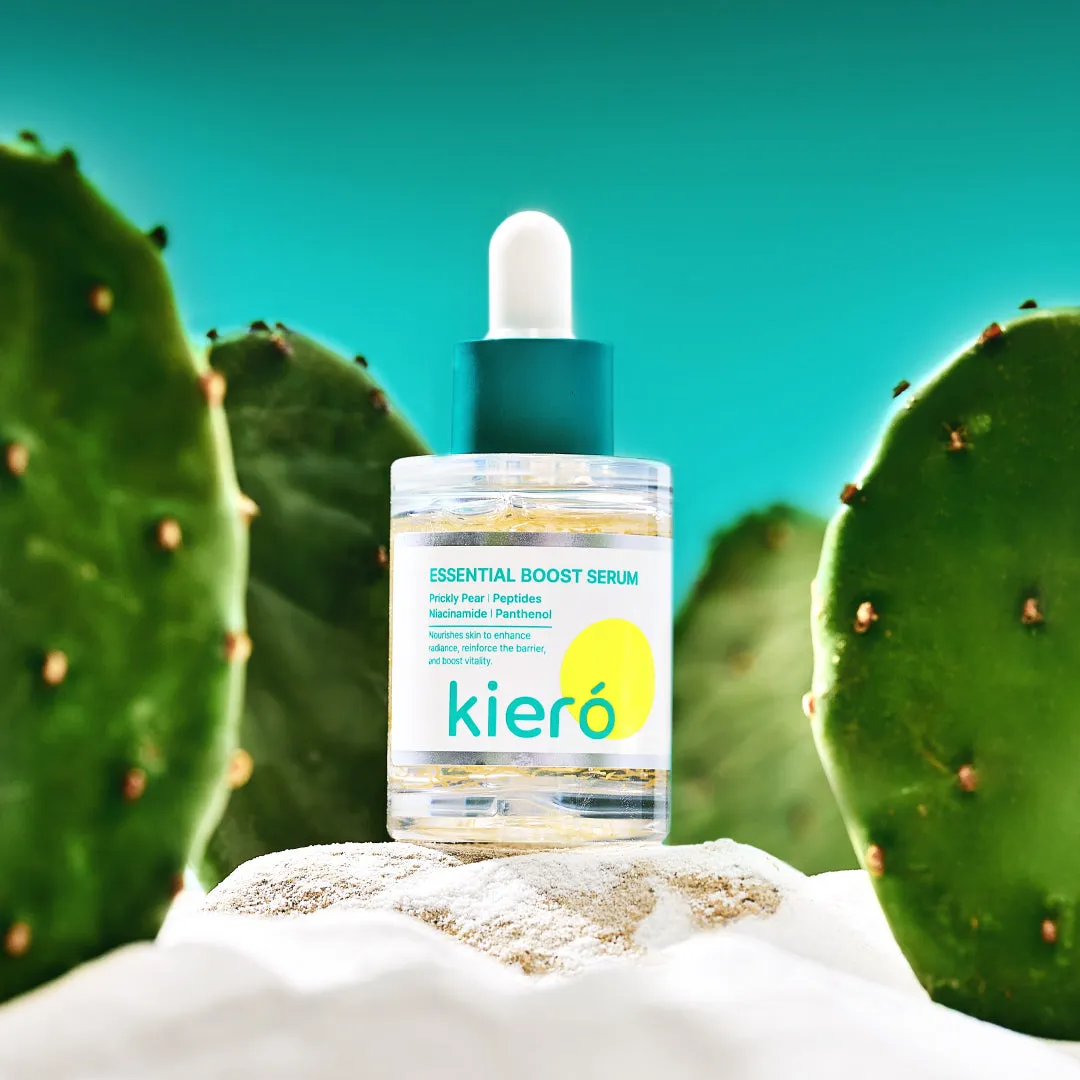
Essential Boost Serum
Lightweight serum with prickly pear, peptides, niacinamide, and panthenol to nourish skin and reinforce the barrier.
Ceramides belong in the last step. Barrier creams with ceramides and squalane help lock in moisture and reduce transepidermal water loss, which is the water loss that happens when the skin barrier is compromised (Pravada, 2026).
Moisturizing Barrier Cream is the seal step because it combines blue agave, ceramides, and squalane for long-lasting comfort. It should be applied after serum, not before, so the lighter treatment layer can sit closer to the skin.
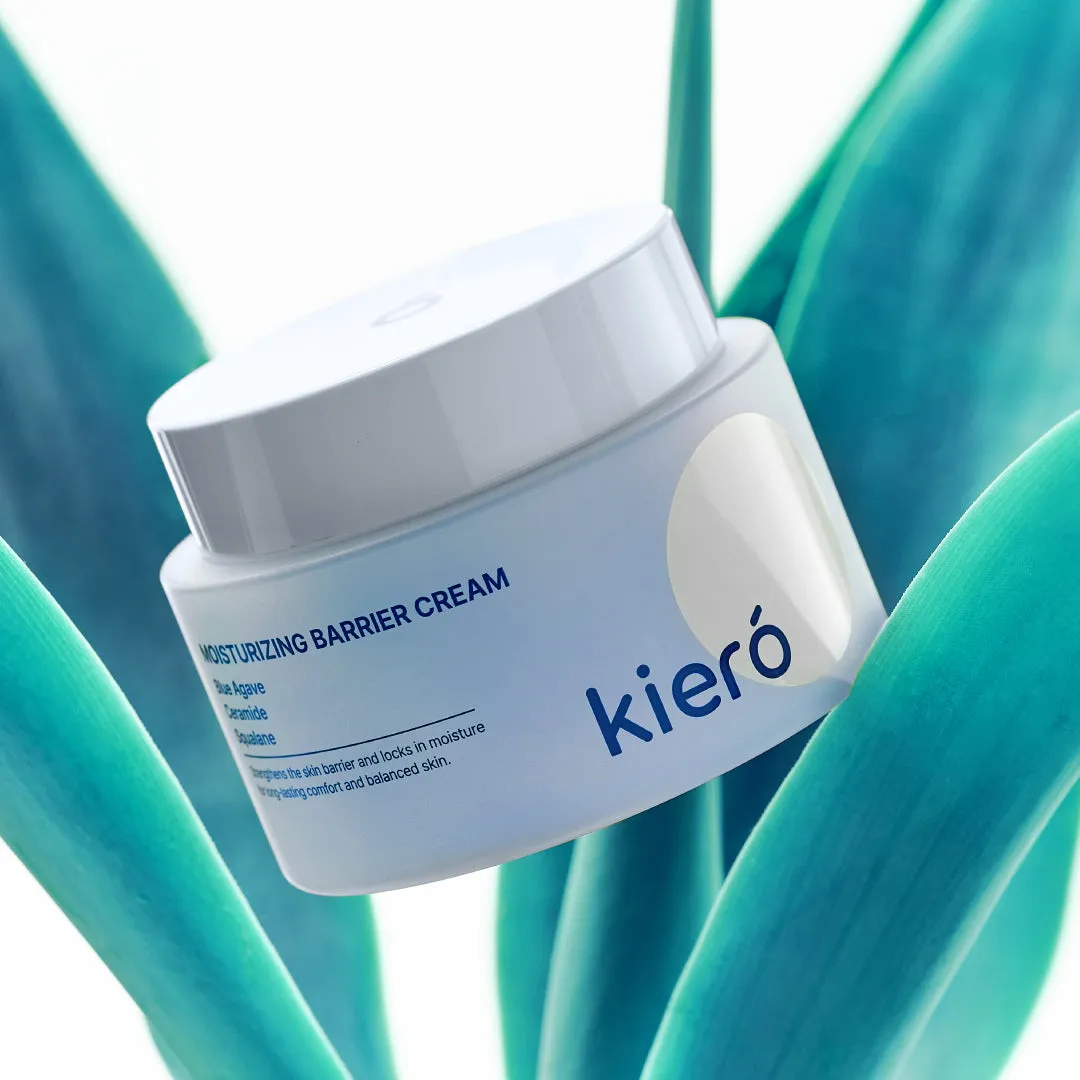
Moisturizing Barrier Cream
Barrier cream with blue agave, ceramides, and squalane to strengthen the skin barrier and retain hydration.

What is the safest step-by-step layering protocol?
The safest layering order is toner pad on clean skin, niacinamide serum if the skin feels calm, then ceramide moisturizer. Keep the routine at night.
This order works because each step has a job: renew, treat, then protect. According to a 2026 publication by Dermis Research, expert guidance for sensitive-textured skin recommends a low-frequency, high-buffer approach.
- Cleanse with a gentle cleanser, then pat skin dry until it is slightly damp but not wet.
- Swipe an exfoliating pad over the face.
- Ensure the surface feels settled, not tight or burning.
- Apply a soothing serum only if the skin feels calm after the pad.
- Finish with a barrier cream, using enough product to reduce tightness.
Reactive skin often does better when the first routine is boring and repeatable.
A PM schedule makes it easier to observe irritation the next morning. On the following morning, use sunscreen if your routine includes exfoliation and dark-spot care.
If your skin is also acne-prone or exposed to humid climates, keep the routine lightweight on non-exfoliation nights.
How often can sensitive skin exfoliate for texture and hyperpigmentation?
More is not better for reactive texture.
Use progress markers that do not depend on daily mirror-checking:
- After 2 weeks, skin should feel no more tight than before the routine.
- At any point, stinging from plain moisturizer means that exfoliation should be stopped.
If your main concern is uneven tone from breakouts, keep the routine steady instead of adding more acids.
What signs mean you should pause exfoliating toner pads?
Pause toner pads immediately if plain moisturizer stings, itching increases, or skin looks waxy and unusually shiny. These are barrier warning signs.
Over-exfoliation is not always obvious as peeling. On deeper skin tones, irritation can also appear as heat, tenderness, persistent shine, or darker marks after inflammation. That matters for Latina skin because irritation can make post-inflammatory discoloration more stubborn.
Dermis Research identifies waxy or unnaturally shiny skin as a sign of barrier thinning and recommends pausing exfoliation when this appears (Dermis Research, 2026). The same guidance says exfoliation should stop if plain moisturizer stings or itching increases (Dermis Research, 2026).
When warning signs appear, simplify for at least several nights:
- Stop toner pads and other exfoliating acids.
- Skip retinoids, scrubs, and strong vitamin C during the reset period.
- Use a gentle cleanser or rinse-only morning routine if cleansing feels drying.
- Apply Moisturizing Barrier Cream as the main comfort layer.
- Restart with 1 night weekly only after moisturizer no longer stings.
Do not try to “push through” burning to fade spots faster. In reactive skin, inflammation can create the exact cycle you are trying to prevent: rough texture, redness or heat, then new marks.
If your skin also reacts around the eyes, keep exfoliating pads away from that area. Use a dedicated eye product instead, such as the options discussed in Kiero’s Lightweight Eye Cream for Dark Circles and Fine Lines.
Build a calmer exfoliation routine
Start with the product category your skin needs most: hydration, sun barrier support, or cleansing. Keep exfoliation low-frequency and protect your barrier first.
FAQS