Simple Korean Barrier Repair Routine After Over-Exfoliating
Repair an over-exfoliated barrier with a simple Korean routine: gentle cleanse, ceramide cream, sunscreen, and 7 to 14 days off acids.

Key takeaways
- A simple routine for barrier support focuses on hydration and protection while pausing exfoliating acids for at least the first three days of a repair plan.
- Consumers are increasingly prioritizing barrier protection and hydration over aggressive exfoliation.
- A simplified routine focusing on hydration and barrier comfort can support the skin during repair.
What is the danger of over-exfoliating?
Consumers are increasingly focusing on barrier health as a primary driver of skincare choices. Skin barrier health is described as a primary driver of the U.S. skincare market as of 2026 (Market Data Forecast, 2026). By 2025, 70% of Gen Z consumers had shifted their priority toward barrier protection and hydration over aggressive exfoliation (Grand View Research, 2025).
Why does K-Beauty work well for barrier repair?
K-Beauty barrier repair emphasizes formulas that support the skin.
Recent product trends show a significant emphasis on barrier support. The useful principle is to reduce irritation while supporting the skin barrier.
As of 2026, 65% of new K-beauty product launches emphasized barrier support (I Dew Care, 2026). The same source reports that approximately 80% of K-beauty products for sensitive skin contain Centella Asiatica (I Dew Care, 2026).
A simple barrier repair routine prioritizes hydration and protection:
- Cleanse with products that minimize irritation and do not leave the skin feeling stripped.
- Apply a barrier-focused moisturizer regularly to address dryness.
For a beginner routine, a simplified approach provides a focused way to support barrier health and hydration.
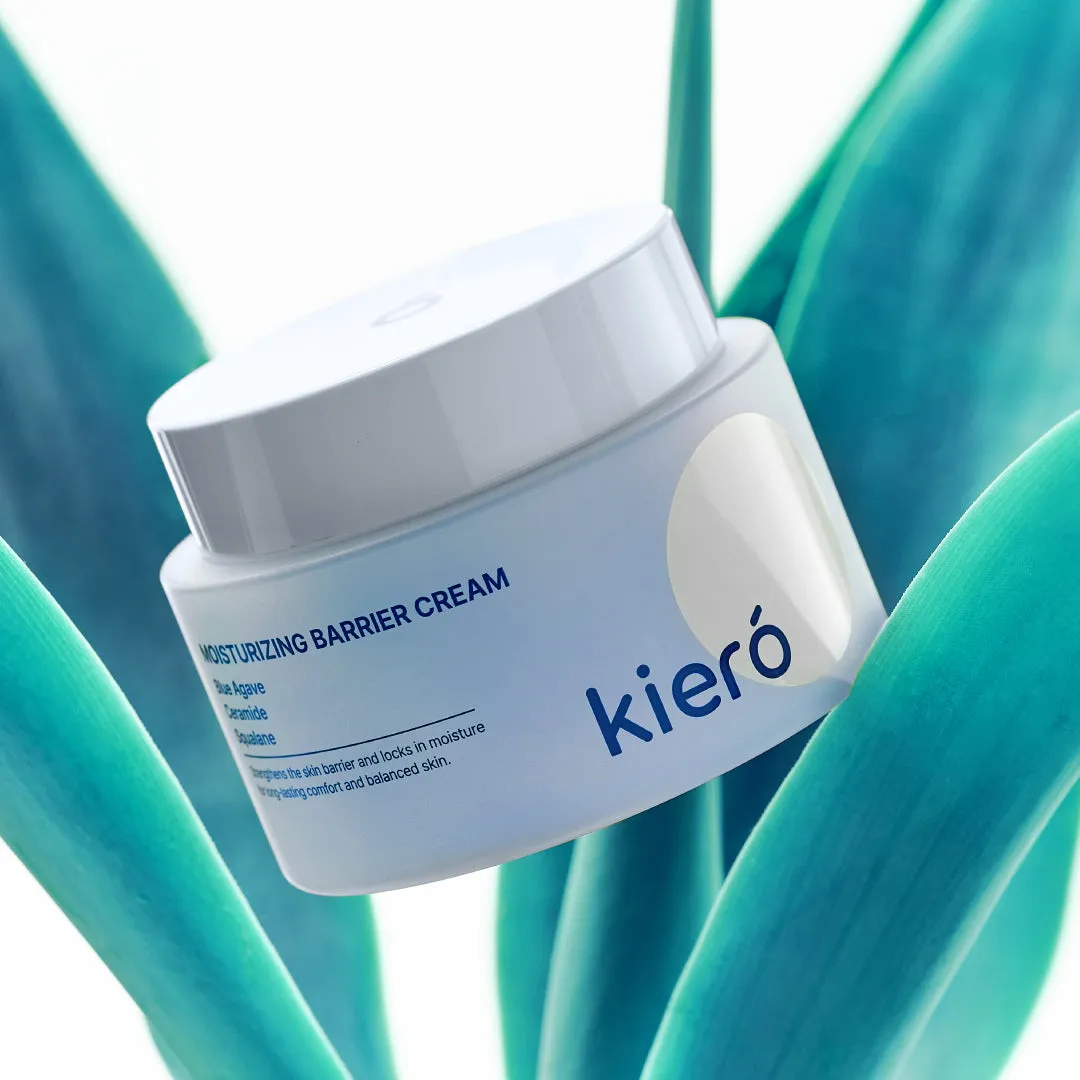
Moisturizing Barrier Cream
Crema hidratante con agave azul, ceramidas y escualano, que fortalece la barrera cutánea y retiene la hidratación para un confort duradero.
What should you do in the first 3 days after over-exfoliating?
A 14-day skin repair plan recommends a 3-day rest period with no acids, retinol, or vitamin C after over-exfoliating.
The first phase focuses on removing triggers. The plan recommends stopping all actives such as retinol and vitamin C for the first three days, while also discontinuing exfoliating acids such as alpha hydroxy acids and beta hydroxy acids (Pelle Medical Skincare). During this time, the focus should remain on comfort rather than correcting skin texture or appearance. If skin irritation is intense or persistent, a dermatologist is the right next step.
What should you do from days 4 to 14 to hydrate and rebuild?
Days 4 to 14 focus on rebuilding comfort with daily hydration, ceramides, and a moisturizer that reduces water loss.
After the first rest period, the routine stays simple. A 14-day plan describes days 4 through 14 as a repair period, using barrier-rich creams that contain ceramides and other repair-supporting ingredients (Pelle Medical Skincare).
Creams are a common format for repair because they can carry lipids. In repairing skincare treatments, creams hold a 34.6% market share, and repair creams can deliver ceramide lipid concentrations up to 5% (Future Market Insights, 2026).
During the repair period from day 4 through day 14, focus on using barrier-rich creams and keeping actives paused until the skin feels stable.
Multi-weight hyaluronic acid can help the hydration part of this routine. Clinical work published in the Journal of Clinical and Aesthetic Dermatology found that multi-weight hyaluronic acid lotions significantly improved dryness, roughness, and radiance by week two of daily use compared with single-weight hyaluronic acid formulas (Journal of Clinical and Aesthetic Dermatology, 2026).
Ceramides and hyaluronic acid play key roles in barrier support. While hyaluronic acid addresses dryness, ceramides can be used in high concentrations to support the skin's lipid structure. Ingredients like those in Moisturizing Barrier Cream are selected to provide hydration and comfort.
| Ingredient type | Main role in a barrier routine | Why it helps after over-exfoliating | Warm-climate note |
|---|---|---|---|
| Ceramides | Lipid barrier support | Supports the skin's lipid structure | Choose a cream that feels comfortable |
| Multi-weight hyaluronic acid | Water binding | Improves dryness and radiance with daily use | Apply within moisturizer, not as the only step |
| Squalane | Emollient comfort | Helps moisturizer spread without friction | Useful when heavy occlusives feel too greasy |
| Soothing botanicals | Comfort support | Helps reduce the feeling of irritation | Keep the formula simple if skin is stinging |
Why can skin feel tight and dehydrated?
Skin can feel tight and dehydrated when the barrier cannot hold water effectively.
When the lipid barrier is compromised, water can escape too quickly from the skin surface. This can lead to feelings of tightness or dryness even when the skin appears oily on the surface.
The table below separates common causes that can look similar.
| What you notice | Likely pattern | Common trigger | How it feels | Best next step |
|---|---|---|---|---|
| Tight after cleansing, shiny by midday | Dehydration | Not enough water-binding hydration | Skin feels stretched but may still produce oil | Add moisturizer to damp skin and avoid drying cleansers |
| Stinging with normal products | Compromised barrier | Aggressive exfoliation or harsh cleansers | Skin burns, flushes, or feels raw | Pause actives and use a moisturizer |
| Flaking with rough patches | Dryness | Low lipid support or environmental stress | Skin feels rough and uncomfortable | Use a richer layer at night on dry areas |
| Squeaky-clean feel after washing | Over-cleansing | Strong surfactants or cleansing too often | Skin feels tight within minutes | Switch to a gentle cleanser |
| Oily surface with tight cheeks | Mixed dehydration and oil | Stripping products | Surface shines but skin feels tight | Reduce exfoliation and moisturize without heavy layers |
The common mistake is treating tightness as an oil-control problem. If skin feels tight and dehydrated, adding more exfoliation or stronger cleanser often makes the barrier less stable. A better test is to pause actives, cleanse gently, and use a barrier moisturizer for 7 to 14 days.
When can you reintroduce exfoliating acids?
Reintroduce exfoliating acids only after skin stops stinging, tightness improves, and moisturizer feels comfortable for several days.
Day 15 is not a deadline. It is a checkpoint. If the skin still burns, flakes, or feels tight after cleansing, keep the repair routine going. If the skin feels calm, reintroduce one active at a time, once weekly at first.
A safe reintroduction pattern looks like this:
- Choose one active only, such as a mild acid or retinoid, not both.
- Apply it once at night, away from other actives.
- Use moisturizer before or after the active, depending on your tolerance.
- Wait several days before repeating.
- Stop again if stinging, heat, or tightness returns.
Do not restart exfoliating because the skin looks dull on day 7. Dullness can be a temporary sign of recovery, dryness, or surface roughness. If the barrier is still unstable, exfoliation can restart the cycle.
Kiero’s practical rule is simple: comfort comes before glow. A routine built around gentle cleansing, sunscreen, and Moisturizing Barrier Cream gives over-exfoliated skin a calmer baseline before actives return.
Build a calmer hydration routine
If your skin feels tight, stings, or feels uncomfortable in heat and humidity, start with hydration and barrier support before adding actives back.
FAQS