How to Stop Sunscreen Feeling Sticky in Humid Weather
Fix sticky sunscreen in humidity with dry-skin application, smarter serum timing, a light gel base, and a matte stick for reapplication.

Key takeaways
- Humidity and perspiration can dilute the sunscreen layer and weaken film adhesion, which can cause SPF to feel heavier or less stable.
- Waiting 60 to 90 seconds after applying Vitamin C serum allows it to absorb before sunscreen application, while letting sunscreen set for 3 to 5 minutes before makeup helps the UV barrier stabilize.
- Streamlining the number of products used under sunscreen can help maintain the protective film in humid conditions.
Why does humidity make sunscreen sticky?
High humidity and sweat can dilute sunscreen film, weakening adhesion and making SPF feel heavy, tacky, or like it is sliding.
Sunscreen forms a protective layer on the skin. In humid weather, moisture and perspiration can dilute this layer, causing it to feel tacky or less stable rather than sitting smoothly on the surface.
People4Ocean explains that humidity and perspiration can dilute the sunscreen layer and weaken film adhesion, which is why SPF can feel heavier or less stable during hot, damp days (People4Ocean). That does not mean sunscreen is optional in humidity. It means the routine around it matters more.
In tropical weather, the goal is not to skip SPF because it feels heavy. Instead, the goal is to ensure the sunscreen film is as stable and compatible with humid skin as possible. Daily sun defense remains a critical part of a skincare routine, and focusing on product compatibility can improve comfort during the day.
How should you streamline skincare prep before SPF?
Use fewer layers before sunscreen and allow Vitamin C serum 60 to 90 seconds to absorb to help the SPF layer settle properly.
The easiest fix for heavy-feeling sunscreen is often a shorter routine. In humid weather, heavy oil-based layers under SPF can exacerbate stickiness. Skipping rich creams or facial oils can prevent the sunscreen from feeling thicker or more unstable on the skin.
People4Ocean states that heavy oil-based pre-steps can exacerbate sunscreen stickiness in humid weather (People4Ocean). If your sunscreen feels tacky by mid-morning, try removing one rich step before replacing your SPF.
A simple prep routine for oily skin in humid climates can look like this:
- Cleanse the skin thoroughly to remove sweat and overnight oil before applying skincare.
- Apply a lightweight serum only if your skin needs it that morning.
- Allow sufficient time for vitamin C or other active serums to absorb before applying sunscreen.
- Skip facial oil under SPF during hot, humid days.
- Apply sunscreen on skin that feels dry to the touch, not wet or slippery.
The 60 to 90 second wait matters most with active serums such as vitamin C. The Derma Co recommends allowing vitamin C serum to absorb fully before sunscreen is applied to prevent pilling (The Derma Co, 2024). Pilling or flaking often occurs when sunscreen is applied before the previous layers have sufficiently absorbed.
A humid-weather approach focuses on reducing the number of textures under SPF. A lightweight first-layer sunscreen fits this strategy by providing a thin base that integrates well with minimal skincare steps.
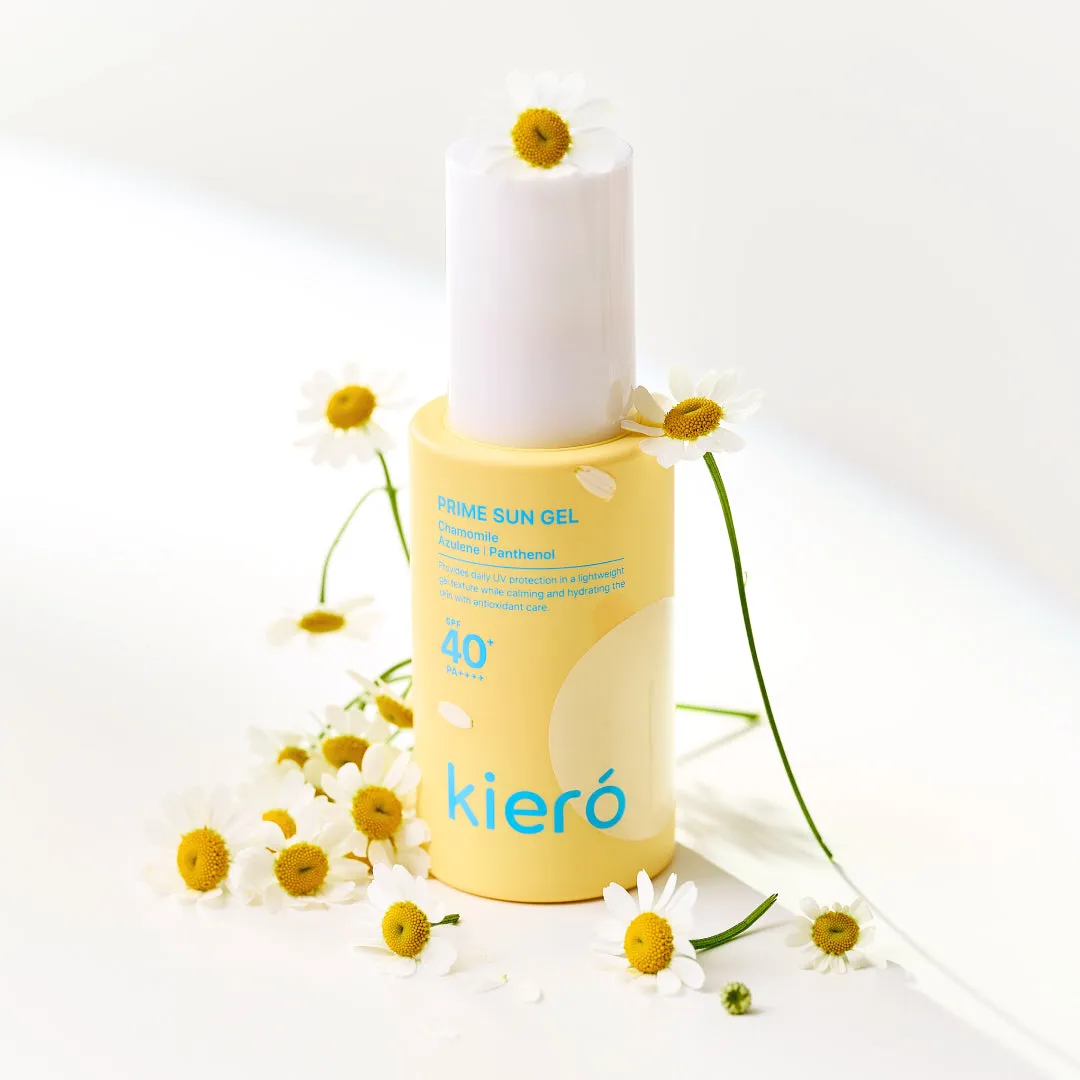
Prime Sun Gel SPF 40+
Protector solar en gel con una textura ligera y de rápida absorción, ideal para el uso diario en climas húmedos.
What formula works best for humid weather?
A humid-weather sunscreen should feel light, dry down cleanly, and reduce the need for extra heavy skincare underneath.
Choosing sunscreen textures that dry down cleanly can reduce the need for extra heavy skincare underneath. Lighter formulations are often preferred in humid climates to avoid adding an occlusive layer over perspiration and oil.
Formula technology is moving in the same direction. Kao Corporation introduced humidity-responsive UV protection film technology in early 2025 using agar hydrogel capsules that respond to ambient humidity (Kao Corporation, 2025). In 2024 clinical surveys, 70% of users found those moisture-adaptive formulations more comfortable in humidity than traditional occlusive sunscreens (Kao Corporation, 2025).
That research points to a practical rule for everyday routines: choose textures that work with moisture instead of adding more occlusion. In 2025 and 2026, humid-region consumers have also moved toward hybrid sun care products that include skincare ingredients, because sunscreens with ingredients such as niacinamide or ceramides can reduce the need for a separate moisturizer layer (Meiyume, 2025).
Routine simplification is key in high humidity. A lightweight sun gel serves as an ideal morning base, while a portable, non-greasy sun stick offers a convenient solution for reapplying protection throughout the day.
| Humid-weather need | Gel sunscreen | Sun stick |
|---|---|---|
| Morning base layer | Better for spreading evenly on clean skin | Useful, but less ideal as the only first layer |
| Oily skin feel | Lightweight texture can feel less heavy | Sun sticks offer a portable, non-greasy option |
| Sweaty commute | Works well before leaving home | Easier to reapply after blotting sweat |
| Makeup friendliness | Needs set time before makeup | Easier over makeup when applied gently |
| Portability | Best kept at home or in a pouch | More convenient for bags and outdoor touch-ups |
| Who it helps most | People who dislike thick cream sunscreens | People who need mess-free reapplication |
How do you apply sunscreen for a dry finish?
Apply sunscreen only to fully dry skin, spread it without over-rubbing, then wait 3 to 5 minutes before makeup.
A dry finish depends on timing as much as product texture. Applying sunscreen to fully dry skin helps maintain the stability of the protective film, ensuring the UV filters form an even layer.
People4Ocean recommends applying sunscreen only to fully dry skin to maintain film stability (People4Ocean). The Derma Co also recommends waiting 3 to 5 minutes after sunscreen so the UV barrier can set before makeup is applied (The Derma Co, 2024).
Use this technique when the weather is humid:
- Wait until previous skincare steps have fully absorbed.
- Apply sunscreen evenly across the face and neck.
- Wait 3 to 5 minutes so the UV barrier can set before applying makeup.
Ensuring each product is settled before adding the next layer can prevent issues like pilling.
To improve the finish when layering vitamin C serum and sunscreen:
- Allow previous skincare steps to fully settle before applying SPF
- Let SPF set for 3 to 5 minutes before applying foundation or cushion makeup
- Ensure the skin is dry before applying or reapplying sunscreen
How can you reapply sunscreen without the mess?
For humid reapplication, blot sweat first, then use a matte sun stick or mist format instead of layering more cream sunscreen.
The first sunscreen layer can be a gel. The second or third layer needs to survive real life: sweat, sebum, outdoor heat, masks, commuting, and makeup. That is where a stick can be more practical than squeezing another cream or gel into your hands.
Meiyume identifies matte sun sticks and setting mists as primary sun care reapplication formats for humid weather as of 2026 (Meiyume, 2025). The same report notes that matte sun sticks have become a global trend because they offer hygienic, mess-free coverage in high-perspiration environments (Meiyume, 2025).
A non-greasy sun stick provides a matte finish that helps manage shine during touch-ups in humid conditions, making it a practical option when skin is warm or oily.
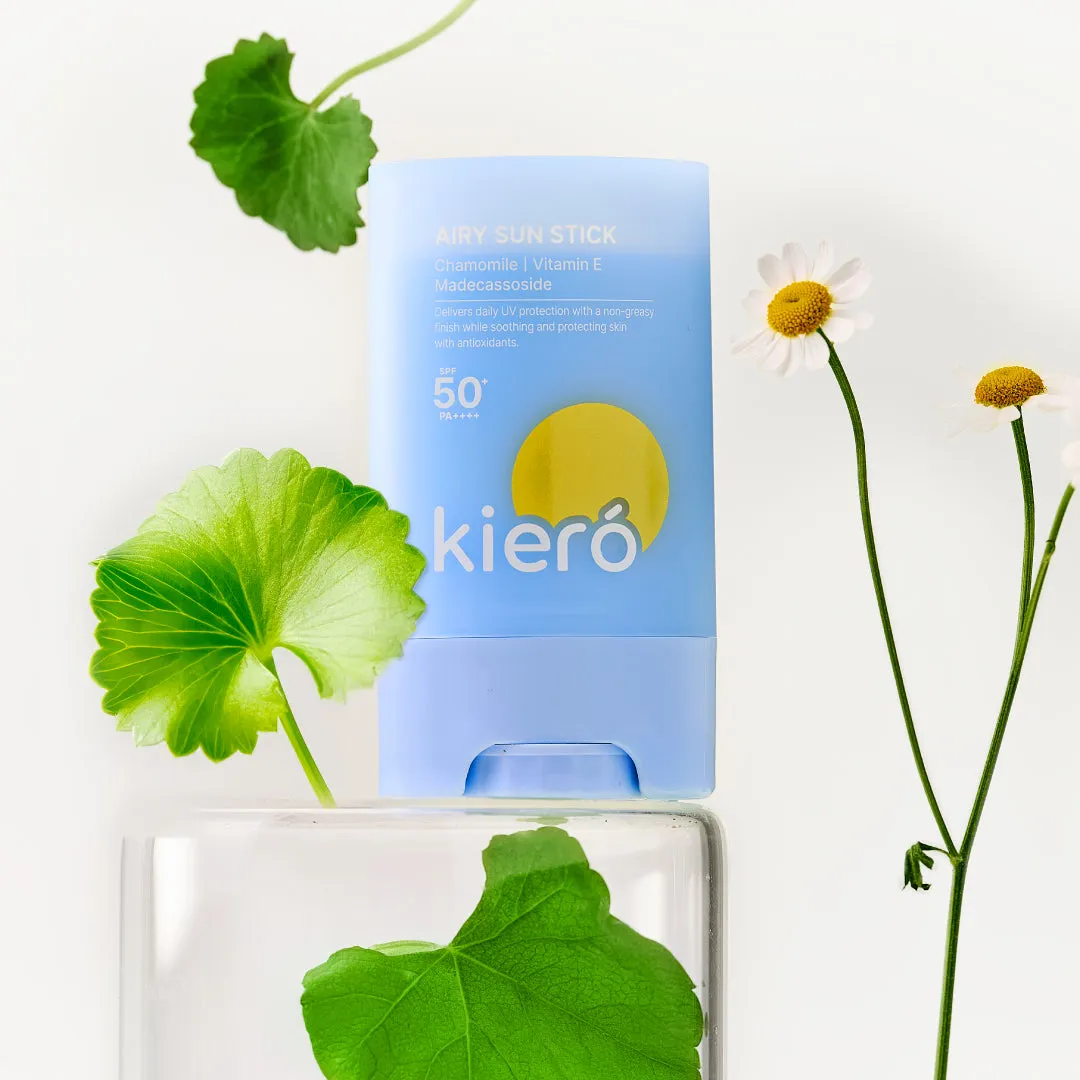
Airy Sun Stick SPF 50+
Protector solar en barra que brinda protección diaria contra los rayos UV con un acabado ligero, mate y no graso.
A low-mess reapplication flow looks like this:
- Clear sweat or oil from the skin's surface.
- Let the skin cool for a moment if you just came in from heat.
- Apply the sun stick across exposed areas to ensure full coverage.
- Tap lightly with clean fingers only if needed to even edges.
- Reapply more carefully on high-exposure areas such as cheeks, nose, forehead, and jawline.
Using a combination of formats can help manage sun protection in tropical weather. A lightweight morning layer followed by convenient touch-ups throughout the day ensures continuous coverage without a heavy feel.
Build a less sticky SPF routine
Choose a light gel for your morning base and keep a matte stick ready for humid-weather reapplication.
FAQS