Peptide Serum vs Snail Mucin for Combination Skin
Peptide serum is usually lighter than snail mucin for humid combination skin, especially in a 5-step glass skin routine.
Key takeaways
- Peptide serum is a frequent choice for combination skin in humid weather.
- Snail mucin still has strong repair appeal, including reported collagen synthesis support.
- A 3 to 5 step routine can achieve a Cloudglow finish.
What does combination skin need from a peptide serum or snail mucin?
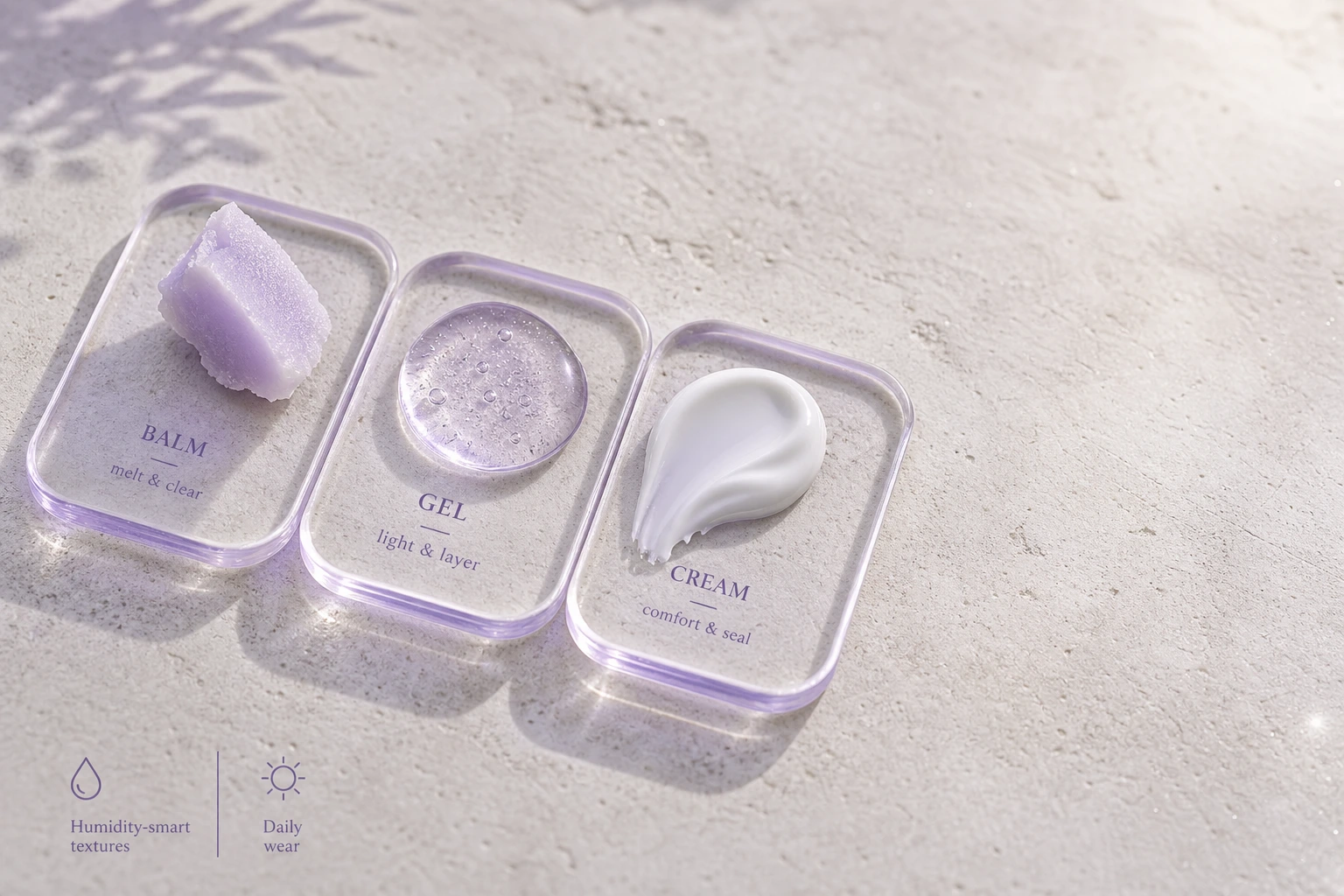
Combination skin needs water-light hydration for dry areas plus oil-aware layering for the T-zone. Texture matters as much as actives.
For combination skin, the best treatment step is the one you can repeat daily without making your nose, forehead, or chin feel coated by midday. A peptide serum and snail mucin can both support a glow, but they behave differently once humidity, sunscreen, and natural sebum enter the routine.
Combination skin is not simply oily skin. Many people have visible shine in the T-zone while the cheeks feel tight, dull, or easily irritated. That pattern often points to hydration imbalance, not a need for stronger stripping products. The 2026 K-beauty trend for glass skin focuses on using a few high-quality actives to manage oil and acne (Jivaka, 2026).
| Decision point | Peptide serum | Snail mucin |
|---|---|---|
| Layer count | Works well in a short routine | Can feel heavier when layered with cream and SPF |
| Beginner friendliness | Easy to apply after cleansing or essence | Often needs careful patting and a smaller amount |
| Humid-weather comfort | Usually better for sweaty or oily-feeling days | May feel sticky when heat and sebum build up |
| Fit for combination skin | Strong fit when the T-zone dislikes residue | Better fit when skin feels dry, compromised, or flaky |
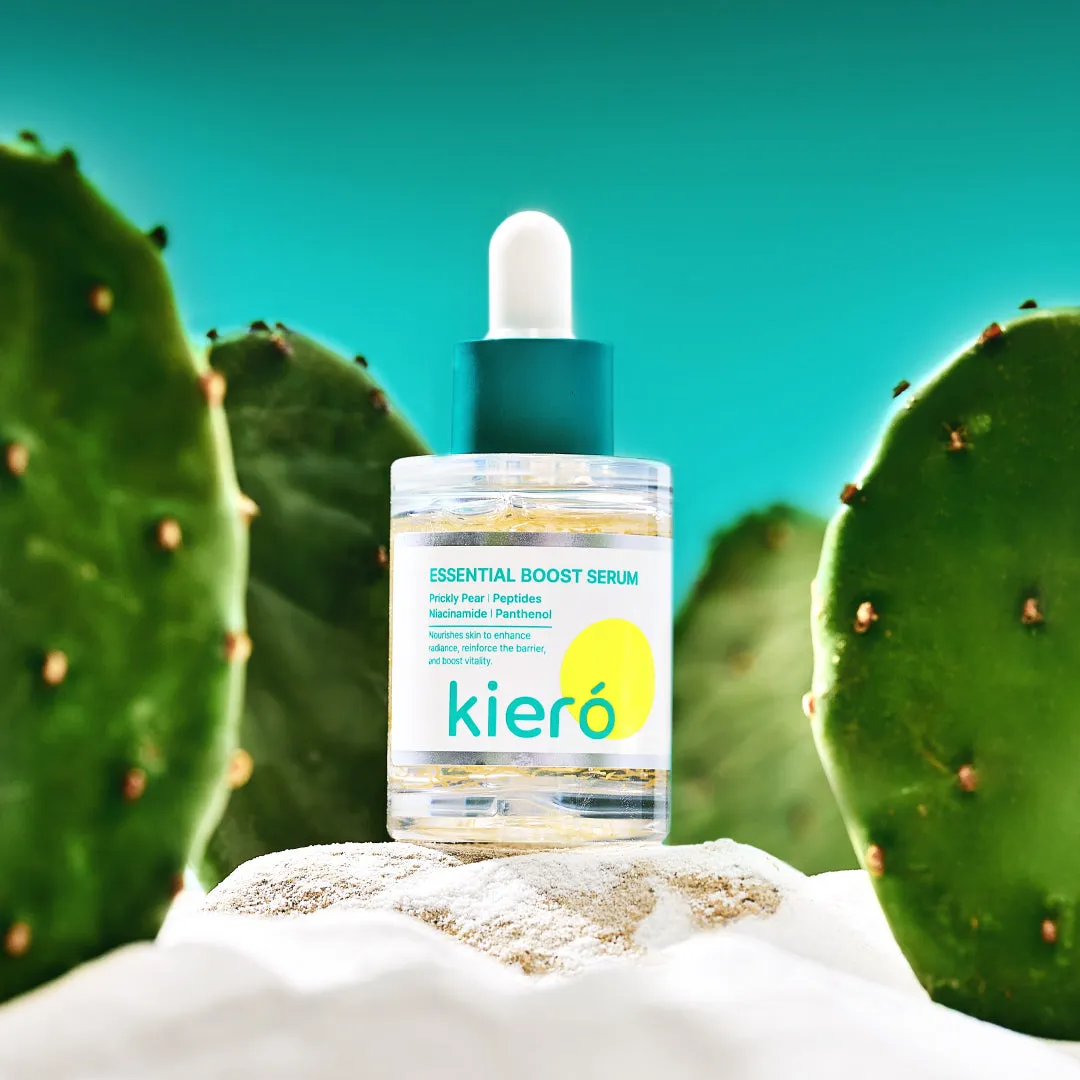
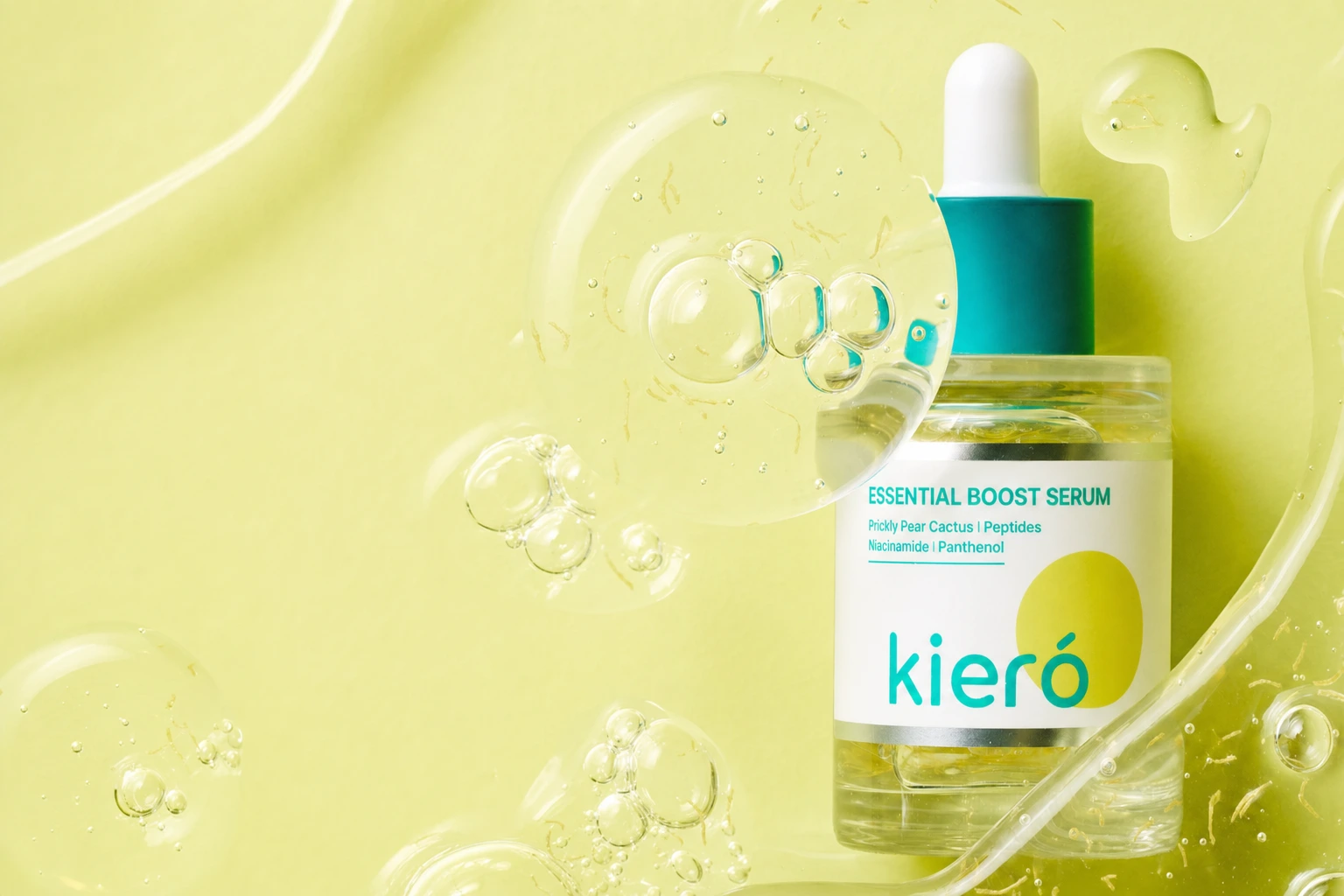
Essential Boost Serum
A lightweight serum with prickly pear, peptides, niacinamide, and panthenol for radiance, barrier support, and a fresher hydrated finish.
If your main concern is a tight cheek area with a shiny T-zone, start by judging finish, not just ingredient reputation. A serum that disappears into the skin will usually be easier to keep in a morning routine under SPF. For more oily-skin climate logic, a guide to Korean skincare for oily skin in humid weather goes deeper into shine control.
Why choose a peptide serum for humid combination skin?
Peptide serum is often better for humid combination skin because it treats without adding much surface weight. It is often chosen as a treatment layer.
In a routine, peptides make the most sense as a treatment step after cleansing or a calming essence and before moisturizer.
COSRX describes peptides as first-step treatments that help improve the absorption of later skincare steps (COSRX Official, 2026). That matters for combination skin because every extra layer competes with sebum, sweat, and sunscreen. A light treatment step gives the rest of the routine a better chance to sit comfortably.
A practical morning order looks like this:
- Cleanse with a gentle low-stripping cleanser.
- Apply a calming watery essence if your skin is red or reactive.
- Press in a serum like Essential Boost Serum.
- Seal with a light barrier cream only where you need comfort.
- Finish with sunscreen and let it set before makeup or outdoor heat.
The biggest advantage is not that peptides make snail mucin irrelevant. It is that a peptide serum gives combination skin a cleaner decision: one treatment layer, less residue, and fewer chances for the T-zone to feel congested by noon.
How does snail mucin transform the skin?
Snail mucin is valued for a cushiony glow, but its signature slip can feel sticky on combination skin.
Snail mucin is often used because it gives skin a plump, glossy finish and can help dry areas feel more cushioned.
The strongest research-backed point in this comparison is collagen support. According to DermApproved, snail mucin may increase collagen synthesis by 28% to 35% (DermApproved). That explains why many people still choose it for a bouncy finish.
The tradeoff is sensory. Snail mucin's texture is part of its appeal on dry skin, but the same stretch and slip can feel tacky when humidity is high. A mucin layer that feels soft at night may feel too present in a daytime routine.
Snail mucin can still be a good match if your skin is dry-leaning, flaky, or recovering from irritation. For classic combination skin that wants glow without a coated finish, use it as an occasional night layer rather than the central morning treatment. If it pills under SPF, feels stringy, or makes the nose look greasy within a few hours, a lighter peptide step is the more practical daily option.
What if you want vegan alternatives or biotech serums?
Biotech serums and plant mucins are better fits if you want a non-animal glass-skin routine.
Animal-derived ingredients are a real decision point in the comparison. That difference can matter for vegan shoppers, cruelty-free preferences, or anyone who simply dislikes the idea of an animal-derived filtrate.
Future Market Insights reports a 50% market preference for biotech-enhanced K-beauty serums over animal-derived filtrates (Future Market Insights, 2026). That shift matches the broader move toward targeted actives that deliver a hydrated finish without a long routine.
Phyto mucin is another option for shoppers who like the slip of mucin but want a plant-based alternative. Westlake Dermatology describes phyto mucin as a vegan alternative derived from wild yam, while also noting that it does not have the same specific regenerative profile as snail secretion (Westlake Dermatology, 2026).
How should you structure a 5-step glass skin routine?
More layers are not required for a visible glow in a glass skin routine.
The modern glass-skin routine is less about copying a 10-step sequence and more about keeping hydration steady without overwhelming the skin. Shop Palace Beauty describes 2026 K-beauty's Intentional Maximalism as using 3 to 5 multi-active products to create a Cloudglow finish rather than a heavy glassy look (Shop Palace Beauty, 2026). The same source notes that many consumers are moving toward 3 to 5 step routines to reduce irritation and skincare fatigue (Shop Palace Beauty, 2026).
Here is the Kiero-friendly version for combination skin in humid weather:
- Cleanse. Use a gentle cleanser that removes sunscreen and oil without leaving skin tight.
- Balance. Apply a calming essence if redness or heat is part of your pattern.
- Treat. Use a serum as an active step.
- Hydrate. Apply a cream where you need comfort.
- Protect. Finish with a sunscreen every morning.
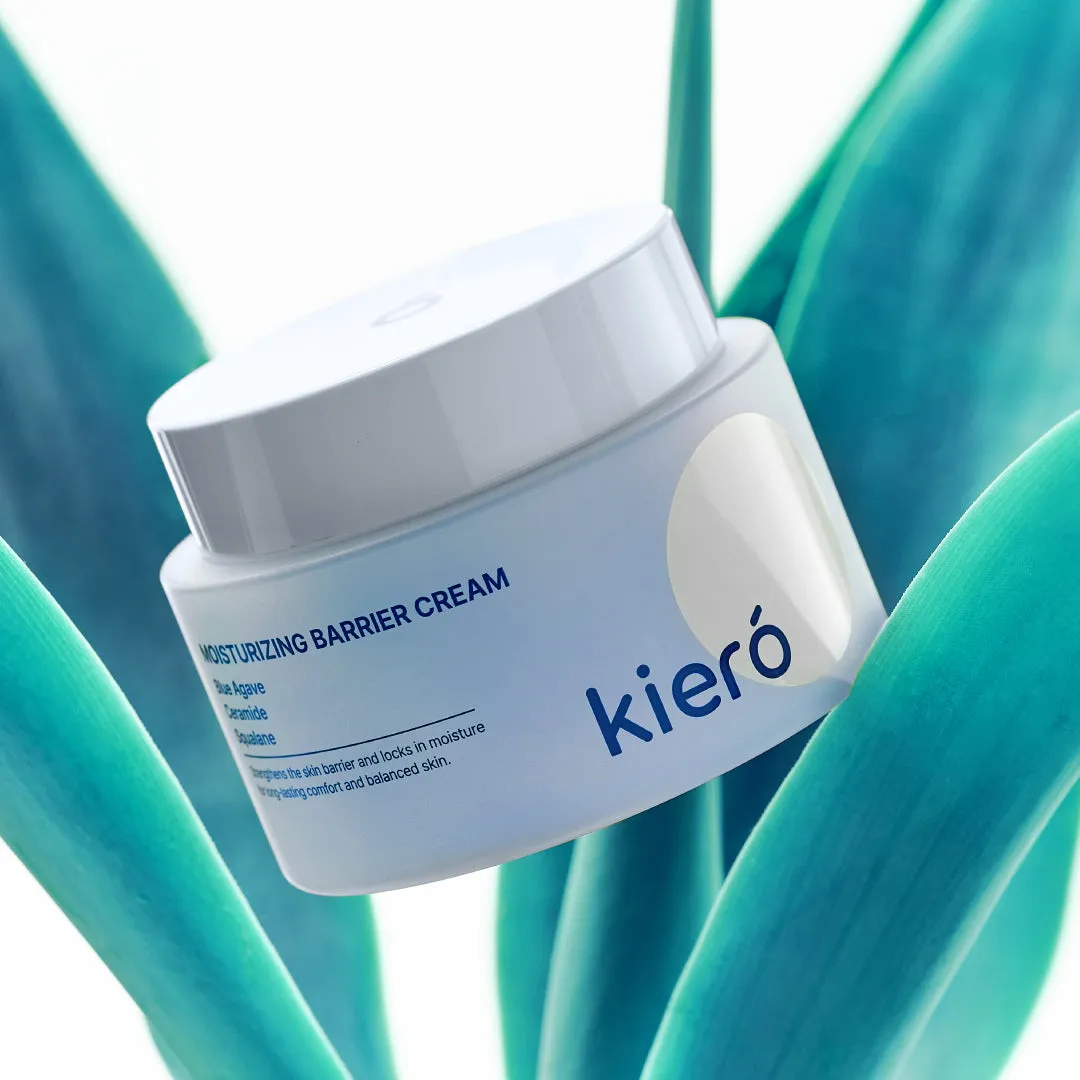
Moisturizing Barrier Cream
A barrier cream with blue agave, ceramides, and squalane that helps retain moisture while keeping comfort focused on dry areas.
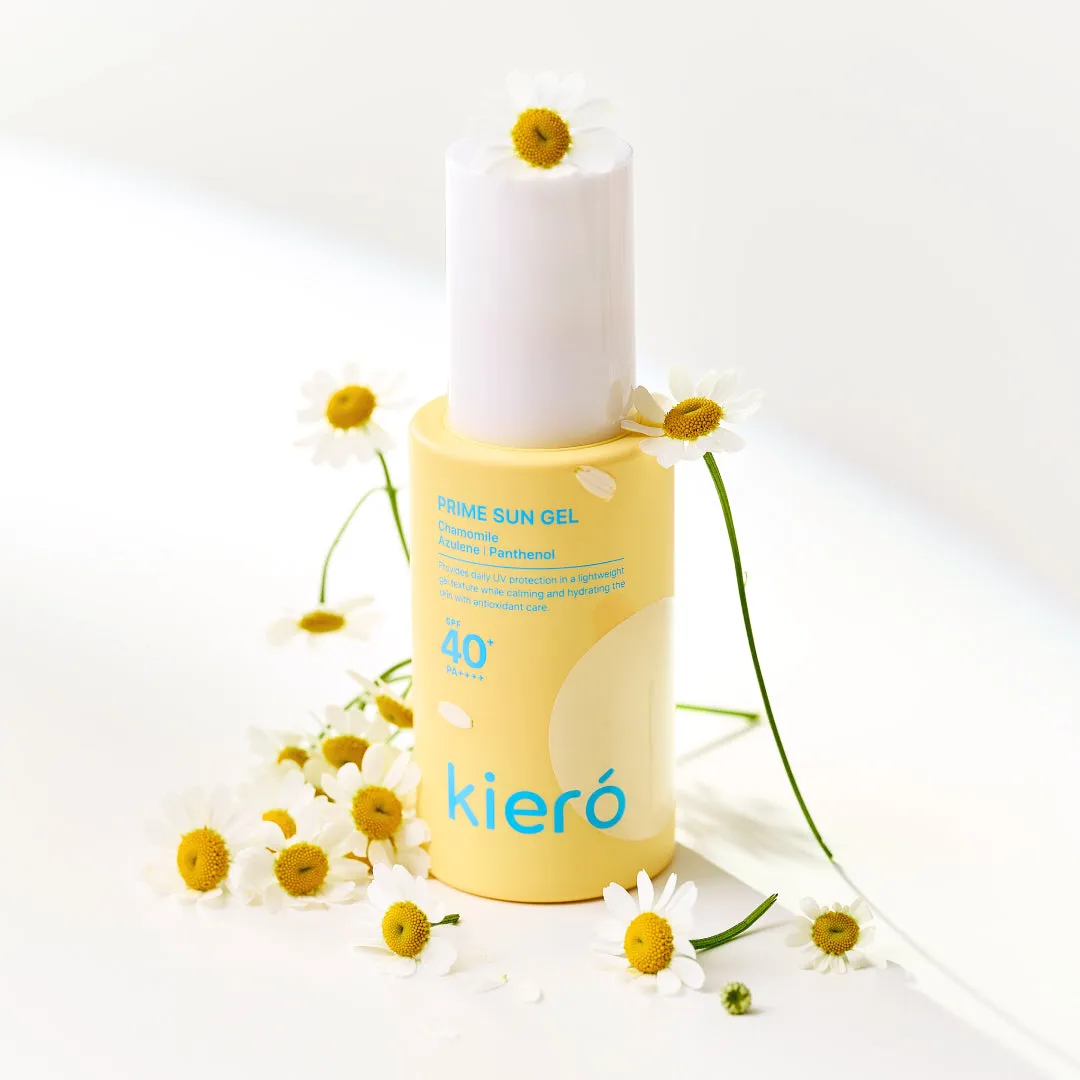
Prime Sun Gel SPF 40+
A lightweight gel sunscreen with SPF 40+/PA++++, chamomile, azulene, and panthenol for daily UV protection without a greasy feel.

This structure also helps solve the most common glass-skin mistake: chasing shine instead of balance. A true glow comes from hydrated skin, a supported barrier, and daily SPF.
Build a lighter hydration routine
Choose products that fit combination skin, humid weather, and a shorter glass-skin routine without relying on heavy layers.
FAQS