Can a Powder Enzyme Cleanser Replace Gel Cleanser?
For many oily, sensitive routines, a powder enzyme cleanser works 3 to 5 times weekly, but daily replacement depends on barrier comfort.
Key takeaways
- High-quality enzyme powders remove up to 99.04 percent of pore impurities with a 0.00 skin irritation index for daily oily skin use.
- A powder enzyme cleanser can fully replace a gel cleanser long-term, provided users transition gradually based on barrier comfort.
- Oily skin types often tolerate daily replacement, while sensitive profiles require a hybrid routine.
Can a powder enzyme cleanser replace a gel cleanser long-term?
High-quality enzyme powders remove up to 99.04 percent of pore impurities with a zero skin irritation index during daily applications. This high efficacy rate makes them a viable long-term replacement for standard liquid washes. Clinical data gathered by Papa Recipe in 2026 demonstrates that these powders clear nearly all pore congestion while maintaining a perfect non-irritant score.
Unlike gel cleansers that rely on surfactants to foam and lift oils, powder formulations use proteolytic action. This means they specifically target and degrade keratin proteins in the stratum corneum without disrupting the essential moisture barrier. Dermatological studies published by MDPI in 2026 confirm that proteolytic enzymes provide anti-inflammatory benefits by inhibiting pro-inflammatory cytokine activity. For users managing persistent breakouts, this cytokine inhibition is a critical factor for long-term acne control.
Transitioning to a powder format requires an understanding of your specific skin profile. For oily skin profiles, the transition from occasional exfoliation to daily use is highly beneficial for regulating sebum. Sensitive skin profiles benefit more from maintaining a hybrid routine, using the powder three times weekly to ensure barrier comfort while relying on milder formulas on alternate days.
How do powder enzyme cleansers vs gel cleansers compare for oily acne-prone skin long-term?
Enzymatic powders degrade keratin proteins directly while traditional gel cleansers rely on surfactant-based oil lifting with moderate pH dependency. This fundamental difference in the mechanism of action dictates how each product performs over months or years of consistent use.
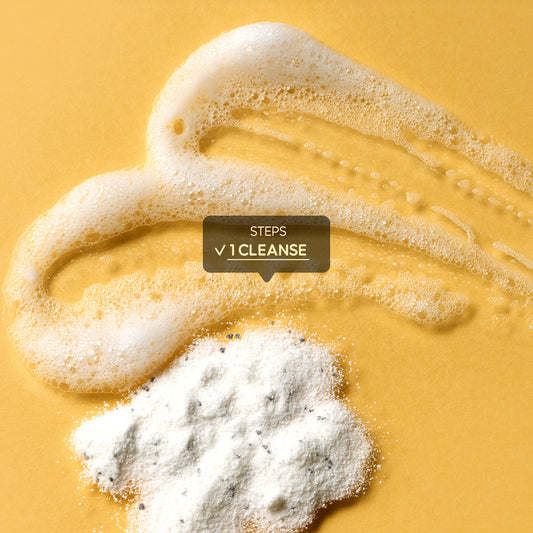
Gel cleansers provide excellent surface-level removal of fresh oils. However, their reliance on surfactants can sometimes strip the skin if the pH is formulated too high, leading to a compensatory overproduction of sebum in oily profiles. Powder enzymes operate differently. When activated with water, the enzymes act as pac-men, digesting the dead skin cells and hardened sebum plugs that cause long-term acne.
| Feature | Gel Cleanser | Powder Enzyme Cleanser |
|---|---|---|
| Primary Action | Surfactant-based lifting of surface oils | Enzymatic degradation of keratin and debris |
| Pore Clearance Depth | Surface-level removal | 99.04 percent impurity removal |
| Irritation Risk | Moderate depending on pH formulation | Extremely low with a 0.00 clinical index |
| Inflammation Impact | Neutral to slightly drying | Anti-inflammatory via cytokine inhibition |
| Shelf Life Stability | Standard duration requiring preservatives | Extended due to anhydrous waterless formula |
The Kiero Refining Enzyme Cleanser exemplifies this targeted approach. Formulated with papaya enzymes, beta-glucan, and chia seed, it cleanses gently while actively refining skin texture. Retailing at MXN 239, it offers a sustainable and highly effective alternative to surfactant-heavy gels.
What is the correct usage frequency for powder enzyme cleansers?
According to Kiero formulation data and Papa Recipe, dermatological guidelines recommend a gradual transition starting with two to three evening applications per week during the first two weeks. Building tolerance ensures the skin barrier adjusts to the enzymatic exfoliation without experiencing redness or excessive dryness.
According to 2026 application protocols from Papa Recipe, a structured phased approach yields the best long-term results:
- Phase 1 (Weeks 1 to 2): Apply the powder cleanser 2 to 3 times per week exclusively in the evening.
- Phase 2 (Weeks 3 to 4): Increase application to 4 to 5 times per week, monitoring closely for any signs of dryness.
- Phase 3 (Maintenance): Implement full daily replacement for oily skin types. Sensitive skin types should halt progression and maintain a frequency of 3 times weekly.
This gradual introduction prevents the initial purging or sensitivity that can occur when rapidly switching active cleansing agents. For those dealing with heavy congestion, industry experts at OMG Bart note that mixing enzyme powders with a nourishing cleansing balm enhances the enzymatic action against stubborn sebum deposits OMG Bart, 2026.
How do specific enzymes target different skin concerns?
Kiero analysis of MDPI clinical data shows bromelain targets oily skin while papain lightens melanin-rich cells for hyperpigmented and thicker surface textures. Understanding the specific botanical origin of the enzyme helps users select the correct formula for their primary skin concerns.
The 2026 MDPI research report classifies three primary proteolytic enzymes used in modern skincare formulations:
- Bromelain: Extracted from pineapples, this enzyme is optimal for oily and inflamed skin due to its specific proteolytic profile and strong anti-inflammatory properties.
- Papain: Sourced from papaya, this enzyme is ideal for thick or hyperpigmented textures. It actively helps lighten melanin-rich dead cells, promoting a brighter complexion.
- Ficin: Derived from figs, this gentle variant is the most suitable option for dry or highly sensitive skin types requiring delicate exfoliation.
By selecting a product utilizing papain, users address both textural irregularities and dullness simultaneously. The enzymatic breakdown of dead cells reveals fresh skin underneath without the micro-tears associated with physical scrubs.
Why is a double cleanse necessary with enzymatic powders?
Oil-based balms dissolve waterproof sunscreen and heavy makeup before water-activated enzymatic powders clear the remaining sebum and keratin debris. Enzymatic powders are exceptional at degrading proteins, but they are not designed to break down heavy silicones, waterproof UV filters, or long-wear foundation.
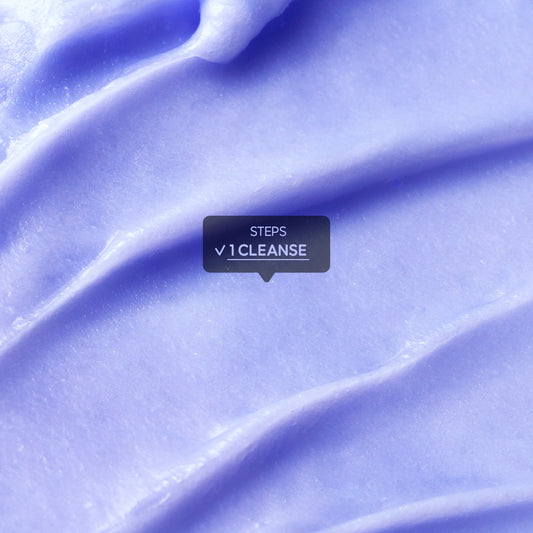
A proper double cleanse routine pairs two distinct formulations to address different types of impurities. The first step requires an oil-based cleanser. The Kiero Comfort Cleansing Balm, formulated with grape seed oil, macadamia oil, and vitamin E, acts as this crucial first line of defense. Priced at MXN 239, it effectively melts away makeup and environmental pollutants while protecting the moisture barrier.
Once the barrier is clear of makeup and sunscreen, the Kiero Refining Enzyme Cleanser can properly access the pores. Without the balm to remove the heavy lipid layer first, the water-activated enzymes would expend their energy attempting to break down cosmetic silicones rather than targeting the actual skin congestion.
What are the formulation advantages of waterless cleansers?
Waterless cleansers eliminate the need for extensive preservative systems and offer an extended shelf life compared to liquid gel formulas. Because bacteria and mold require water to proliferate, dry powders remain stable and safe for much longer periods.
This anhydrous nature provides significant benefits for both the consumer and the manufacturer. According to a 2025 market analysis by ShelfTrend, the global powder face cleanser market is valued between 1.2 billion and 3.4 billion dollars, with projections reaching 5.6 billion dollars by 2033. This growth is driven largely by the sustainability profile of waterless beauty.
Without the need to ship heavy water weight, carbon footprints are reduced. Furthermore, the absence of harsh preservatives means the formulas are inherently cleaner and less likely to trigger contact dermatitis over long-term use. Profitability in this sector is also notable, with brand margins reaching 70 to 85 percent, allowing companies to invest more heavily in high-quality active ingredients like beta-glucan and chia seed extracts ShelfTrend, 2025.
How does climate impact your choice of facial cleanser?
Warm and humid environments increase sebum production requiring advanced keratin degradation to maintain clear pores and a healthy barrier. Traditional gel cleansers often struggle to keep up with the increased oil flow associated with tropical or subtropical climates, leading users to wash their faces excessively.
K-Beauty formulations adapted for Latin American climates prioritize balancing this excess oil without stripping the skin. In hot weather, sweat and sebum mix with dead skin cells at an accelerated rate. The proteolytic action of enzyme powders addresses this specific mechanism by digesting the bonds holding the dead cells together. This prevents the formation of microcomedones, the invisible precursors to active acne breakouts.
Additionally, powder formulas are travel-friendly. They do not leak in transit and are exempt from liquid restrictions on flights, making them highly practical for users managing skincare routines across different environments.
What are the signs of over-cleansing with enzymes?
Barrier compromise manifests as a tight sensation immediately after washing or unexpected dry patches on typically oily skin areas. While high-quality enzyme powders boast a zero irritation index in clinical settings, user error regarding frequency can still lead to discomfort.
If you experience sudden flakiness, an increase in redness, or a stinging sensation when applying your daily moisturizer, you have likely exceeded your skin's tolerance for exfoliation. When these signs appear, halt the use of the powder cleanser for 48 hours. Rely solely on a gentle, non-stripping product like the Kiero Comfort Cleansing Balm during this recovery period. Once the skin normalizes, reintroduce the powder at a reduced frequency, such as twice a week, before slowly building up again.
FAQS
Frequently Asked Questions
Can a powder enzyme cleanser replace gel cleanser?
Yes, a powder enzyme cleanser can replace a gel cleanser for most oily and acne-prone skin types. Clinical data from 2026 shows that these powders remove up to 99.04 percent of pore impurities with a zero irritation index. A gradual transition is required to ensure the skin barrier adapts comfortably to the enzymatic action.
What is the difference between powder enzyme cleanser vs gel cleanser oily acne-prone skin long-term?
Powder cleansers use proteolytic enzymes to actively degrade keratin proteins and dead skin cells, offering long-term anti-inflammatory benefits. Gel cleansers rely on surfactants to lift surface oils. For long-term acne management, powders provide superior pore clearance without the moderate pH-dependent irritation risks associated with heavy gels.
How often should I use a powder enzyme cleanser?
You should start by using the powder two to three times per week in the evening during the first two weeks. After the skin adjusts, you can increase the frequency to four to five times weekly. Oily skin types can eventually graduate to daily use, while sensitive profiles should maintain a three-day-a-week schedule.
Can I use an enzyme cleanser for sensitive oily skin every day?
No, sensitive oily skin should not use an enzyme cleanser every single day. Dermatological guidelines recommend a maximum frequency of three times per week for sensitive profiles. This hybrid routine prevents barrier compromise while still delivering the necessary exfoliation to control excess sebum.
Do I need a cleansing balm with an enzyme cleanser?
Yes, you need an oil-based product first if you wear waterproof sunscreen or heavy makeup. A product like the Kiero Comfort Cleansing Balm dissolves heavy lipid layers effectively. The enzyme powder acts as the second step to clear away remaining sebum and degrade dead skin cells inside the pores.