How to Keep Sunscreen From Sliding Off in Heat
Sunscreen stays put longer in heat when you prep oily skin, apply two thin layers, wait 60 to 120 seconds, and reapply by zone.
Key takeaways
- Sunscreen slips in heat when sweat and sebum disrupt the protective film.
- A better routine is light prep, two thin sunscreen layers, 60 to 120 seconds of set time, and targeted reapplication.
Sunscreen can stay more stable in hot, humid weather when you build the film in layers instead of rubbing on one heavy coat. For oily skin, the practical goal is simple: reduce slip before application, let each layer settle, and reapply only where sweat and oil break through.
Kiero is inspired by Korean skin care and made for warm climates, which matters when your sunscreen has to sit under sweat, oil, makeup, and midday heat. The routine below focuses on real-life wear, especially for oily skin, reactive skin, hormonal acne-prone skin, and melasma-prone skin.
Why does sunscreen melt off in extreme heat?
Sebum can weaken sunscreen by dissolving certain UV filters and creating micro-gaps in the sunscreen film.
The fix is not always a stronger or heavier sunscreen. A lighter gel texture, a clean base, and enough dry-down time usually work better for humid weather than a thick cream layer.
This is also why rubbing your whole face at noon can backfire. Pressing or tapping product onto the zones that break down first is usually more practical.
How should oily skin be prepped before sunscreen?
Oily skin needs a clean, lightweight base.
Start with clean skin and keep the layers underneath sunscreen minimal. If you use a vitamin C serum, apply it first on bare skin, then let it dry before sunscreen. In humid conditions, Sacred Kosmetics recommends extending vitamin C absorption time to 15 minutes before SPF to reduce pilling (Sacred Kosmetics, 2026).
A simple morning order for oily skin looks like this:
- Cleanse or rinse without leaving a slick residue.
- Apply vitamin C or a lightweight antioxidant serum, if you use one.
- Wait until the surface no longer feels wet or tacky.
- Skip heavy occlusive creams on the oiliest zones.
- Apply sunscreen in thin layers instead of one thick layer.
If your skin is combination, treat the face by zone. The cheeks may tolerate a hydrating serum, while the forehead, nose, and chin need less underneath SPF.
Pilling can happen if the serum underneath is not fully absorbed. If product rolls off near the hairline or jaw, reduce the amount of serum first, then increase the wait time before changing sunscreen.
What sunscreen formula works best for humid, oily skin?
A sweat-resistant sunscreen should form an even film without becoming so thick that it applies unevenly on oily skin.
A PMC/NIH study found that hydrophobic film formers at a 0.75% concentration helped maintain SPF integrity and did not increase sunscreen viscosity (PMC/NIH). The study found that film former concentrations of 3% or higher can cause an uneven application and reduce a sunscreen's SPF (PMC/NIH).
That detail matters for oily skin because the answer is not simply “more resistant.” A formula that is too heavy can drag, patch, or settle unevenly. A formula that is too fluid may feel elegant but move quickly once sweat appears. The better target is a sunscreen that dries down into a flexible film and can be refreshed without rubbing the whole face.
Hybrid formulas can also be useful for sensitive skin in humid climates. Aromacares notes that sunscreens combining mineral and chemical filters are recommended for sensitive skin in humid climates. If your skin stings easily, patch testing is still wise, especially when using actives such as vitamin C, retinoids, or exfoliating acids.
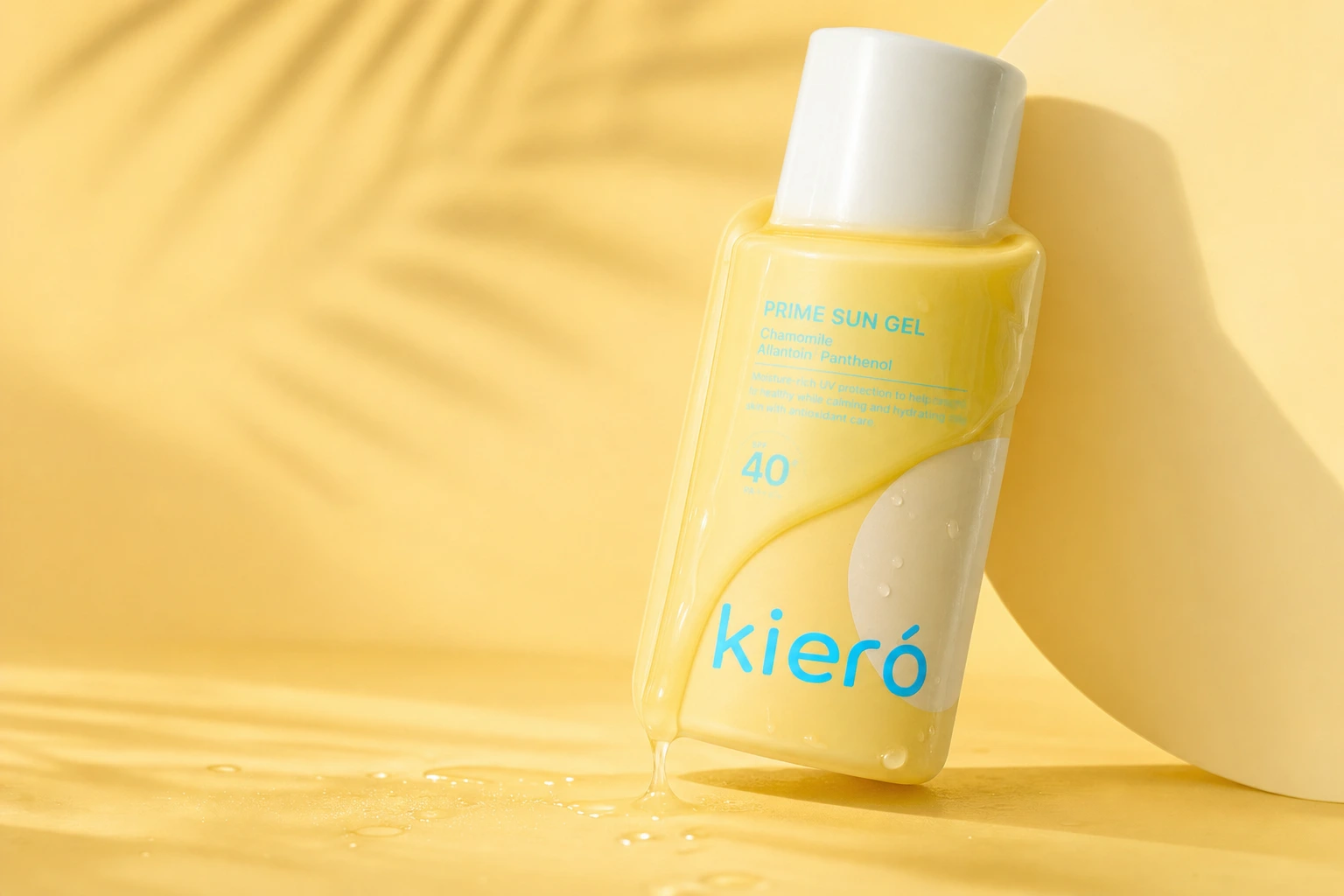
For the first layer, Prime Sun Gel is an option.
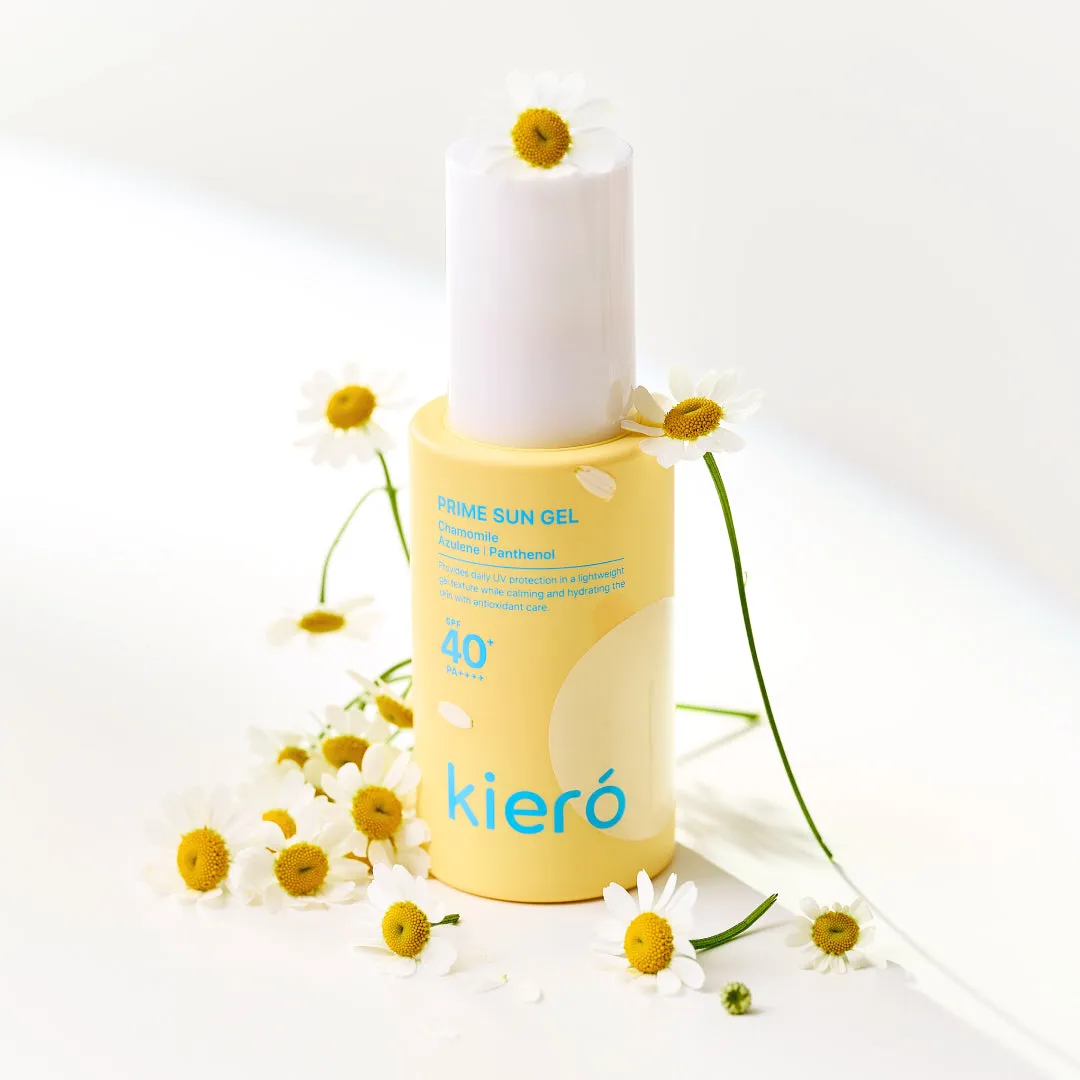
Prime Sun Gel SPF 40+
Protector solar en gel con camomila, azuleno y pantenol, que brinda protección diaria contra los rayos UV en una textura ligera y de rápida abso
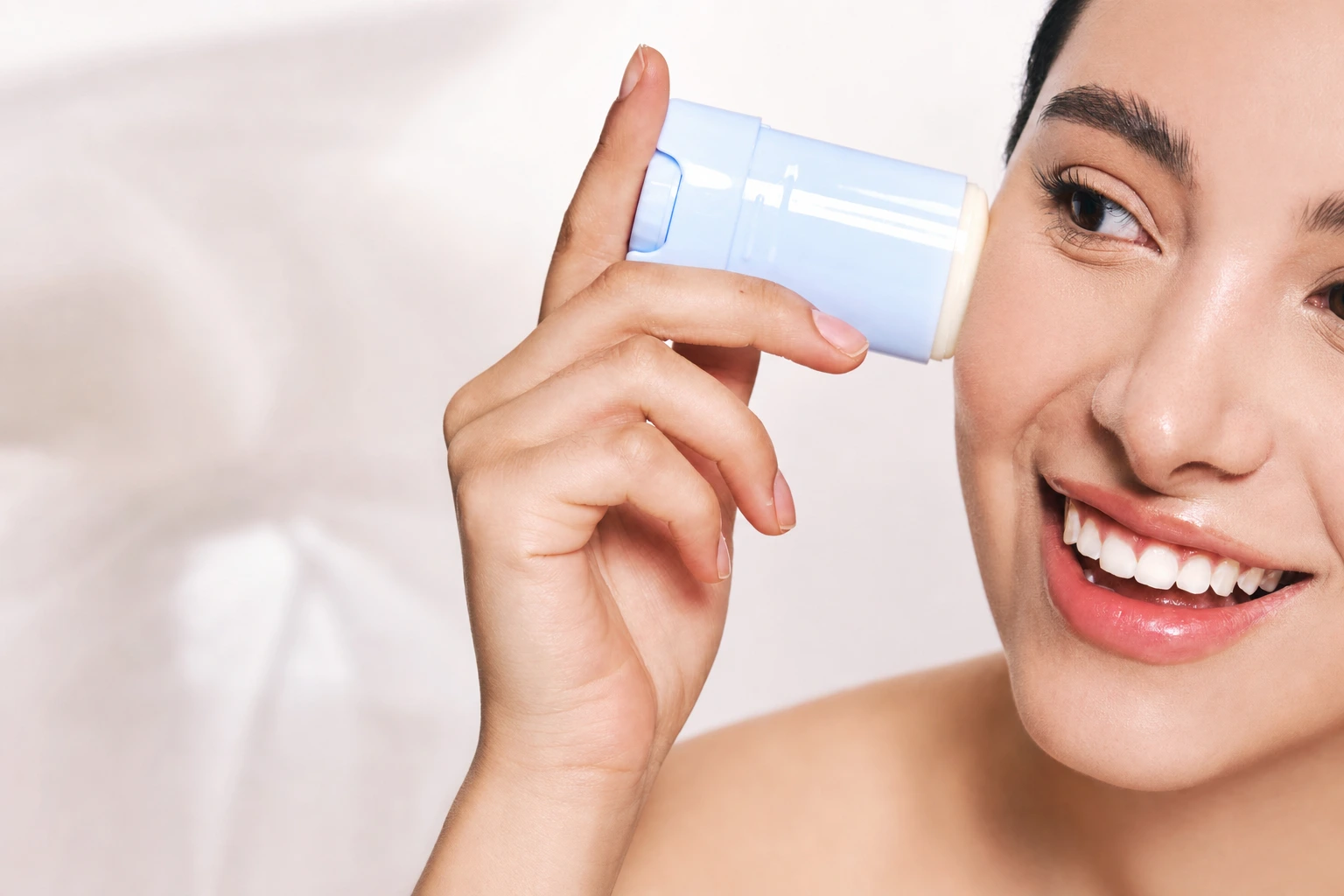
For midday reapplication, Airy Sun Stick is a practical touchup format.
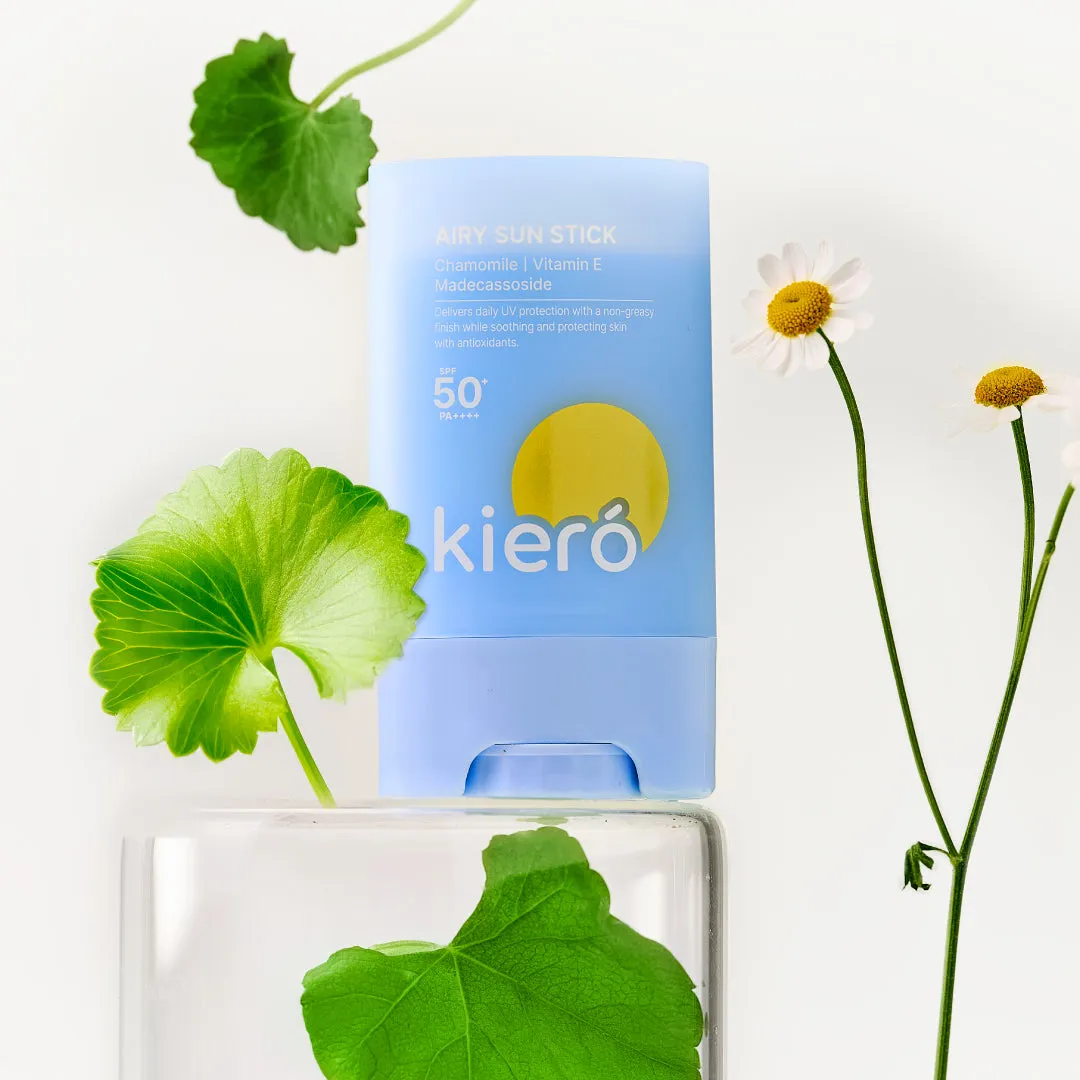
Airy Sun Stick SPF 50+
Protector solar en barra con camomila, vitamina E y madecassoside, que brinda protección diaria contra los rayos UV con un acabado ligero y no g
| Need | Prime Sun Gel | Airy Sun Stick |
|---|---|---|
| Best use | First morning application | Midday reapplication |
| Coverage style | Full-face base layer | Targeted zones |
| Finish | Lightweight, fast-absorbing | Light, translucent, non-greasy |
| Oily areas | Good for the first even film | Good for T-zone, upper lip, and cheeks |
| White cast risk | Zero-cast gel format | Translucent stick format |
| Makeup compatibility | Works well before makeup | Better tapped or swiped lightly over makeup |
How do you apply sunscreen so it does not slide?
Apply sunscreen in two thin layers, let each layer set, then reinforce oily zones instead of rubbing on one heavy coat.
The two-layer method helps build a more uniform film. Sacred Kosmetics recommends applying sunscreen in two separate layers of about 1/4 teaspoon each rather than one large amount at once (Sacred Kosmetics, 2026). The same guidance recommends allowing 60 to 120 seconds between layers in extreme humidity so the formula does not float on sweat (Sacred Kosmetics, 2026).
- Prep lightly: Cleanse, apply only lightweight serum if needed, and wait until the skin surface feels dry.
- Apply the first thin layer: Smooth a gel sunscreen across the full face without over-rubbing.
- Wait 60 to 120 seconds: Let the sunscreen layers set.
- Apply the second thin layer: Focus on even coverage around the nose, cheeks, forehead, upper lip, and jawline.
- Reapply by zone: Use a sun stick on sweat-prone areas during the day.
The most common mistake is over-rubbing. Use enough slip to spread it evenly, then stop.
If you wear makeup, wait until the second sunscreen layer feels settled before applying base products. Primer-like gel formulas are usually easier under makeup than heavy cream sunscreens. If you use multiple skin care steps before sunscreen, consider simplifying your morning routine and moving richer products to night.

How do you layer Korean sunscreen with vitamin C serum for oily skin?
If you use a vitamin C serum, timing matters to prevent pilling:
- Allow absorption time before applying SPF.
- Use less serum than you would at night, especially on the T-zone.
- Apply sunscreen in a thin layer.
- Reapply later without adding more wet layers.
The texture of the serum matters too. If pilling continues, remove the loose product, let the skin dry, and rebuild the sunscreen in thinner layers.
How should reactive skin handle sunscreen in heat?
Reactive skin does best with fewer layers, gentler textures, and sunscreen formats that reduce rubbing during reapplication.
Reactive skin is not one single diagnosis. It can mean skin that stings, flushes, breaks out, or feels hot when exposed to sweat, UV, actives, or friction. In warm climates, the problem often becomes worse because sunscreen, sweat, oil, and makeup are all sitting on the skin at once.
For reactive oily skin, simplify before you intensify. A routine with cleanser, one lightweight serum if tolerated, Prime Sun Gel SPF 40+, and targeted Airy Sun Stick SPF 50+ reapplication is usually easier to troubleshoot than a long active-heavy routine.
Kiero’s sunscreen formats include soothing ingredients associated with heat-stressed skin care routines. Prime Sun Gel SPF 40+ includes camomile, azulene, and panthenol. Airy Sun Stick SPF 50+ includes camomile, vitamin E, and madecassoside.
If hormonal acne is part of the picture, avoid adding heavy oils under sunscreen in hot weather. HAESKN notes that sunscreen sticks for athletes and oily skin often use modern UV filters and barrier-supporting ingredients such as ceramides and ginseng. The broader lesson is relevant: touchup formats should protect without forcing you to smear more cream across oil-prone areas.
For melasma-prone skin, consistent reapplication matters because heat and UV exposure are common triggers for visible darkening. Clear sunscreen is useful, but some people with melasma may also need tinted visible-light protection, hats, shade, and dermatologist-guided care. MedflixS describes newer photoprotection research using carbon-based nanomaterials such as fullerenes to reduce UV-driven filter degradation, which shows how much sunscreen science is focused on keeping the protective film stable.
Build a sunscreen routine made for heat
Start with a lightweight gel base for morning coverage, then keep a stick format nearby for oily zones and midday touchups.
FAQS