K-Beauty Routine for Acne-Prone Latina Skin in Humidity
Combination acne-prone Latina skin needs light K-beauty layers, gentle exfoliation, niacinamide, and daily SPF in tropical humidity.
Key takeaways
- Tropical humidity can aggravate acne by increasing sebum, while melanin-rich skin is more prone to persistent post-acne dark spots.
- A climate-adapted K-beauty routine should prioritize double cleansing, gentle exfoliation, and daily sunscreen.
- Lightweight formulas can help build a routine that aligns with these climate-adapted skincare principles.
For combination acne-prone Latina skin in tropical weather, the goal is not to dry the face out. The better strategy is to remove sweat, sebum, sunscreen, and pollution without stripping the barrier, then use light layers that address breakouts and post-inflammatory hyperpigmentation at the same time.
Kiero’s routine for this skin profile centers on five steps: Comfort Cleansing Balm, Refining Enzyme Cleanser, Balance Toner Pads, Essential Boost Serum, and Prime Sun Gel SPF 40+. Each one is useful for a specific tropical-climate problem: oil buildup, rough texture, dark marks, barrier stress, or daily UV exposure.
Why does combination acne-prone skin behave differently in tropical humidity?
Tropical humidity stimulates sebaceous glands to increase sebum production, which can make skin feel oily while the barrier still feels dehydrated.
In warm, humid climates, certain areas often become shiny faster, sunscreen feels heavier, and clogged pores can appear. This does not always mean the skin needs stronger actives. It often means the routine is not matching the climate.
A clinical study published on PubMed found that high humidity leads to a 40.4% increase in acne aggravation during summer months (PubMed). Barnett Dermatology also noted that high humidity can stimulate sebaceous glands to increase sebum production, which is why a cream that feels fine in a dry climate may feel greasy in coastal heat (Barnett Dermatology).
For combination skin, the pattern is usually uneven:
- Certain areas can produce more oil, making the skin feel heavier under skincare layers.
- The cheeks can feel tight or dehydrated if the cleanser is too harsh.
- Acne-prone areas become more reactive when the routine is too aggressive.
- Heavy occlusive layers can feel sticky in humidity and make reapplication of sunscreen harder.
A climate-adapted K-beauty routine should therefore use lighter textures, gentle cleansing, barrier support, and sunscreen that people will actually reapply in heat.
Why are post-acne dark spots more persistent on Latina skin?
Latina skin often falls within Fitzpatrick IV to VI, where reactive melanocytes can make post-acne dark spots last longer than breakouts.
Post-inflammatory hyperpigmentation is a common consequence of acne that leaves persistent marks.
A Cosmoderma report identifies Latina skin types in the Fitzpatrick IV to VI range as more prone to persistent post-inflammatory hyperpigmentation (Cosmoderma). That is why a routine for acne-prone Latina skin should avoid the cycle of breakout, irritation, dark mark, and stronger treatment.
This changes the product selection criteria. The best routine is not the one with the strongest exfoliant. It is the one that clears buildup, supports the barrier, reduces visible oil, and lowers the chance that irritation will deepen dark marks.
How should you double cleanse without stripping combination skin?
A tropical double cleanse should dissolve sunscreen and sebum first, then use a gentle water-based cleanse to refine texture without scrubbing.
At night, double cleansing is especially useful. The first cleanse should loosen residue. The second cleanse should remove remaining debris without making the cheeks tight.
For the first step, an initial cleanser is often used when sunscreen or makeup has been worn through heat and sweat to prepare the skin for the rest of the routine.
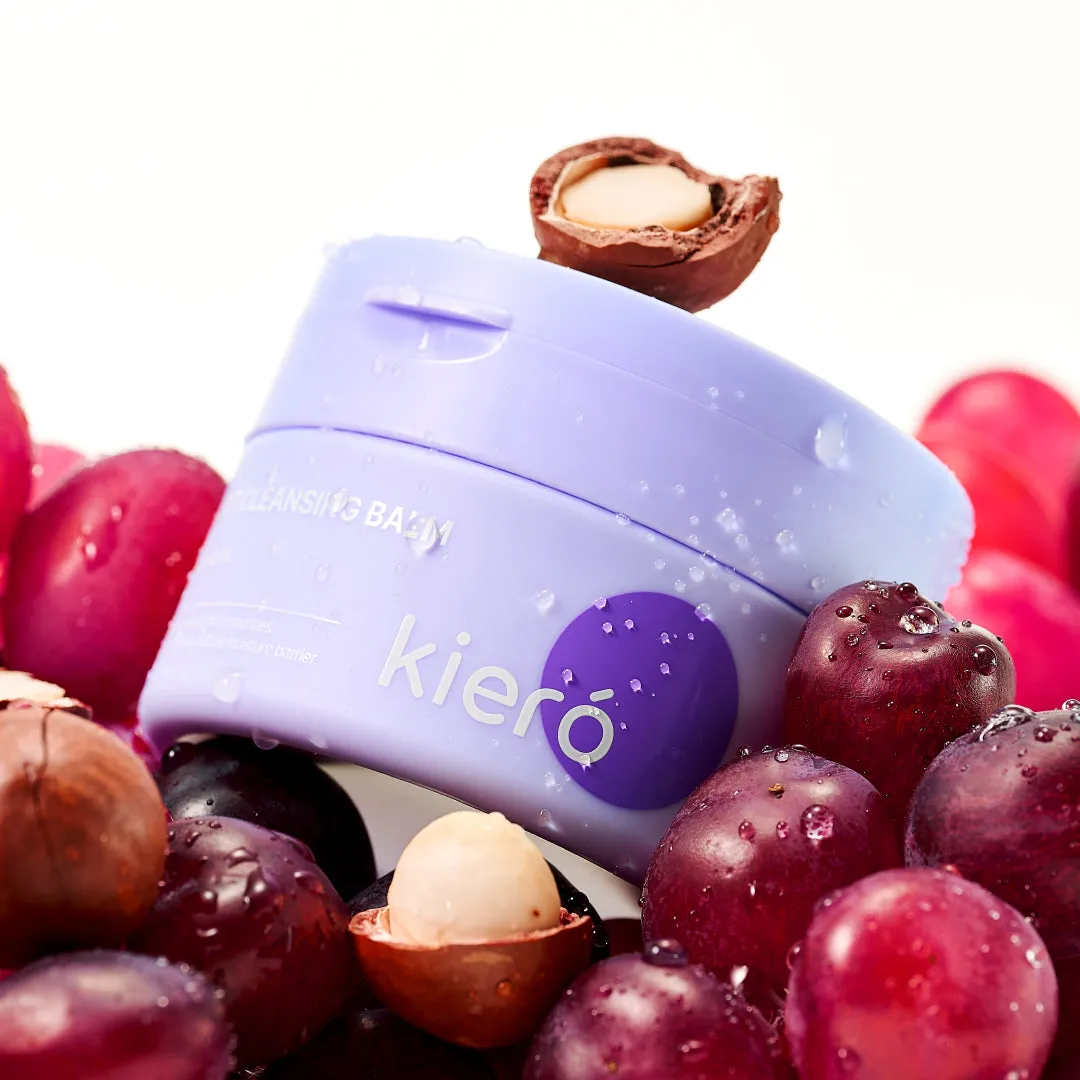
Comfort Cleansing Balm
Soft cleansing balm for removing makeup, sunscreen, and impurities.
For the second step, an enzyme cleanser like Refining Enzyme Cleanser can be used. Proteolytic enzymes degrade keratin proteins, which helps explain why enzyme cleansing can refine rough texture without relying on abrasive scrub particles (MDPI).
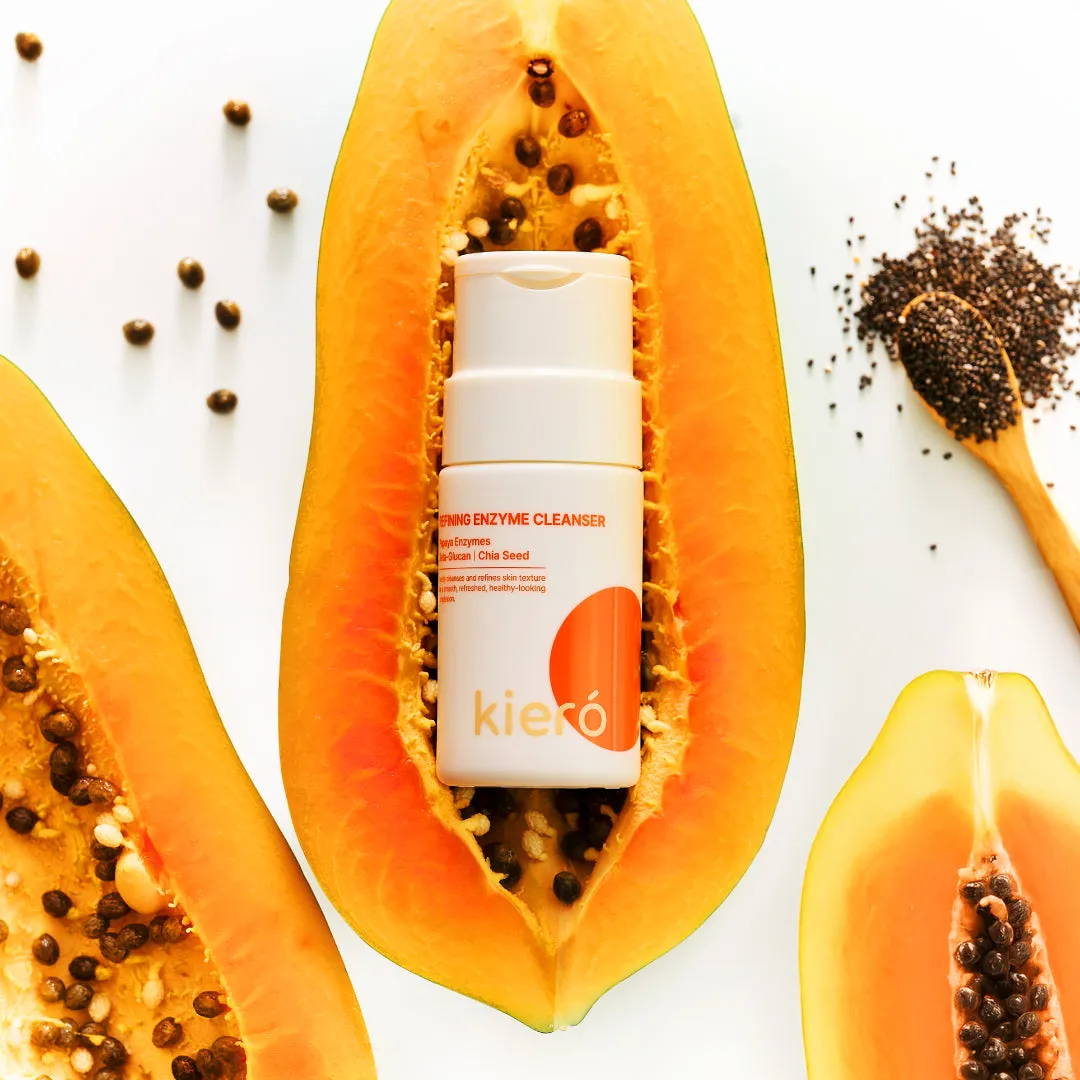
Refining Enzyme Cleanser
Powder cleanser to cleanse gently and refine skin texture.
A practical night routine looks like this:
- Massage Comfort Cleansing Balm onto dry skin, focusing on sunscreen-heavy areas such as cheeks, forehead, nose, and jaw.
- Emulsify with water, then rinse thoroughly.
- Activate a powder cleanser with water in your palm.
- Massage lightly for a short cleanse, avoiding pressure or rubbing over active breakouts.
- Rinse and move straight to toner or serum while the skin feels comfortable, not squeaky.
This approach is especially helpful when acne is worsened by trapped residue rather than by lack of cleansing. Over-cleansing can leave the skin feeling stripped and uncomfortable.

How should exfoliation be approached in humid heat?
Gentler exfoliation approaches are often chosen to renew texture with a lower risk of irritation.
Exfoliation is often considered for combination acne-prone skin to address surface buildup.
Milder options can help address this without excessive friction.
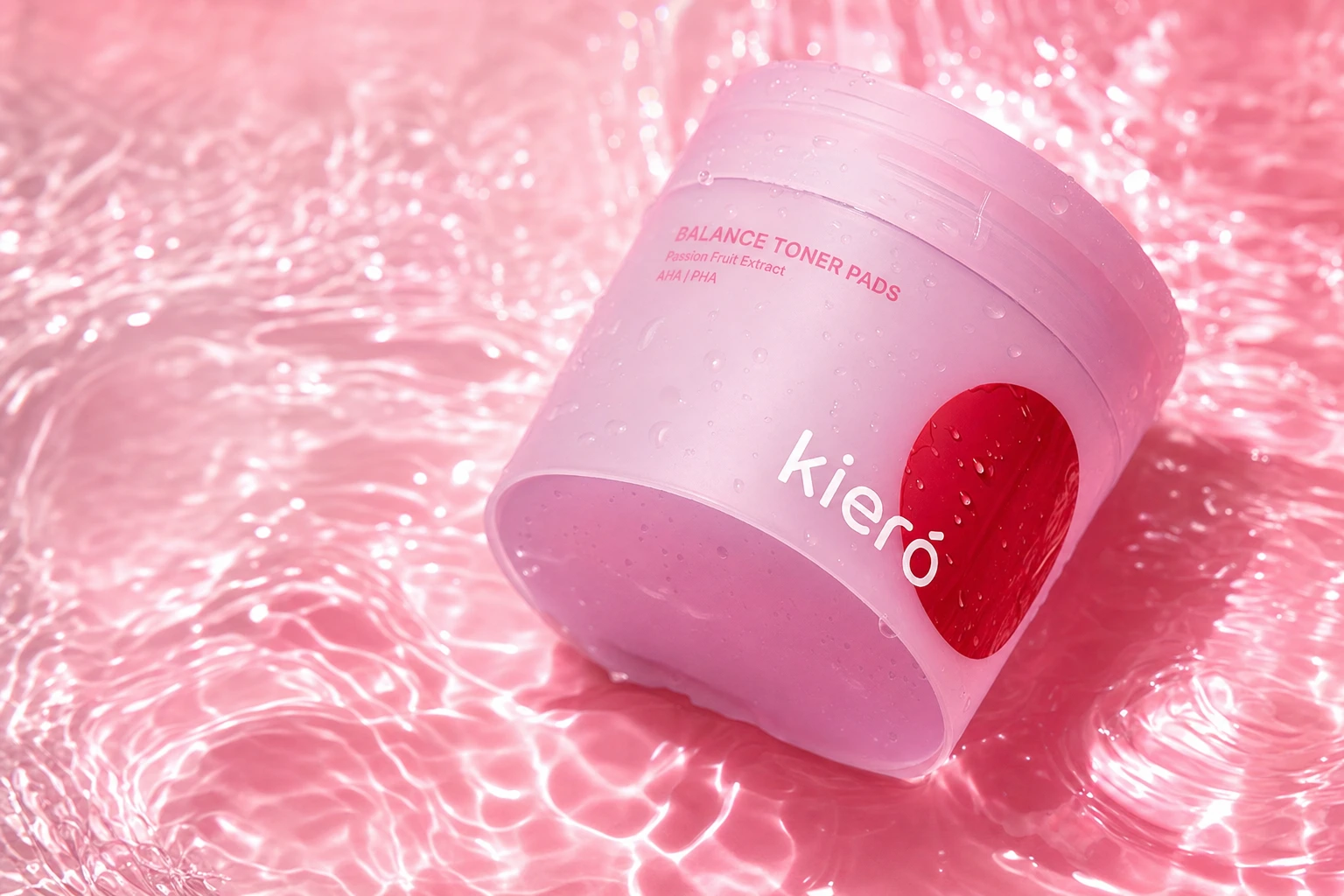
Toner pads are often considered for this step. For tropical climates, gentle exfoliating action is a better match for skin that is already exposed to heat, sweat, and frequent sunscreen use.
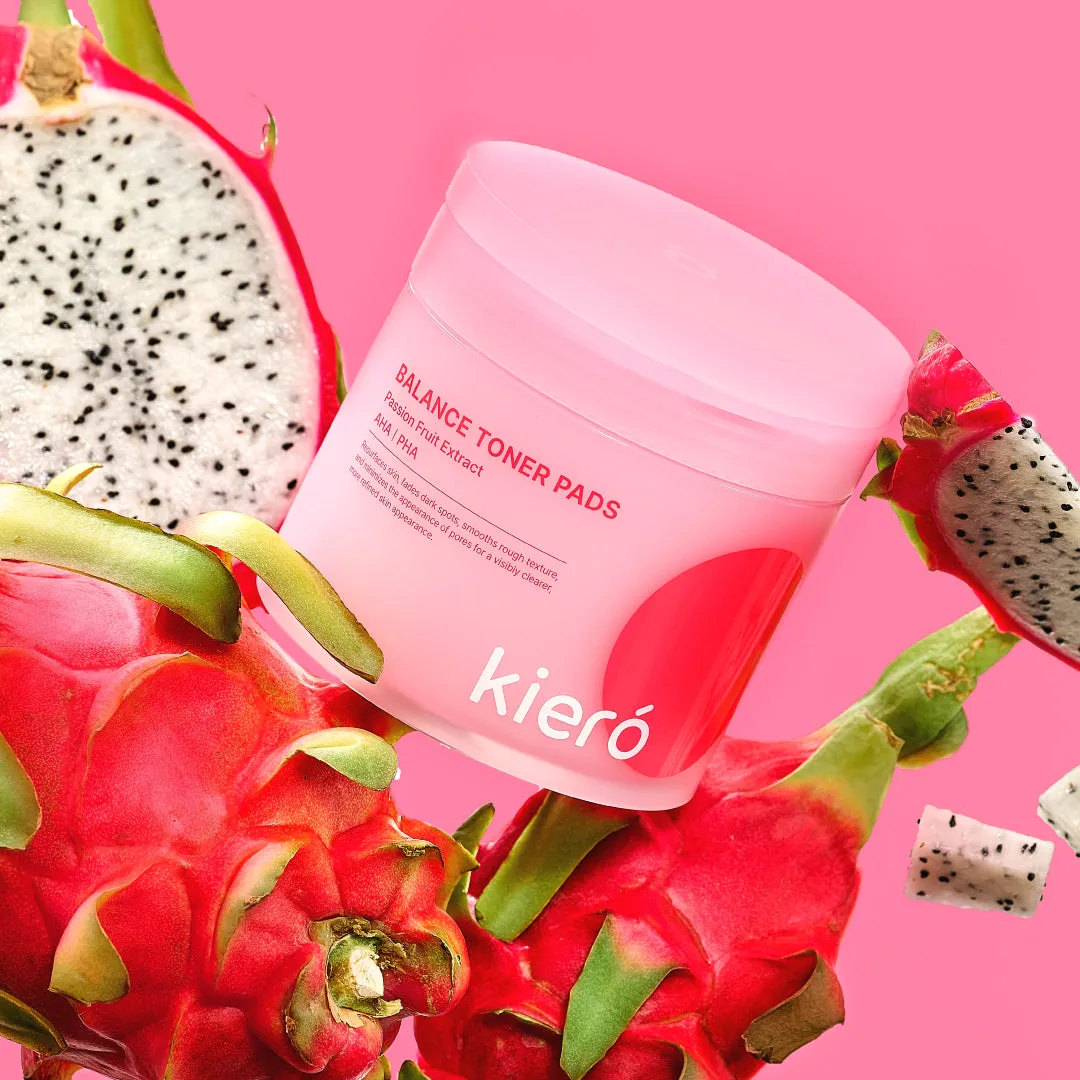
Balance Toner Pads
Exfoliating toner pads to renew skin, soften the look of dark spots, and refine visible pores.
Use toner pads with restraint if the skin is actively inflamed. For many combination acne routines, two to four nights per week is a more realistic starting point than daily exfoliation. If skin stings, flushes, or becomes shiny but tight, reduce frequency before adding another active.
How should Korean hydration change in high humidity?
In tropical climates, hydration routines may need editing. Hydration still matters, but the texture should match the weather. Heavy layers can feel sticky and make sunscreen less comfortable.
Texture preference changes when the skin is already surrounded by humid air.
For combination acne-prone Latina skin, a better hydration rule is simple: use enough to keep the barrier calm, but stop before the finish feels sticky. Lightweight toner pads, gel textures, and sunscreen gels usually work better than rich creams during daytime heat.
How can you target breakouts and dark spots at the same time?
Choosing multifunctional formulas is useful for acne-prone Latina skin to address both breakouts and visible dark spots simultaneously.
Many acne routines separate breakouts and hyperpigmentation into two different problems. However, post-inflammatory hyperpigmentation can leave dark marks that persist on the skin.
Targeted care can be a strong fit for combination acne-prone routines where oiliness, barrier stress, and discoloration overlap.
A lightweight serum step, such as a barrier-supporting serum, can be used. The formula is designed to nourish, improve radiance, and support a healthier-looking complexion without the weight of a heavy cream.
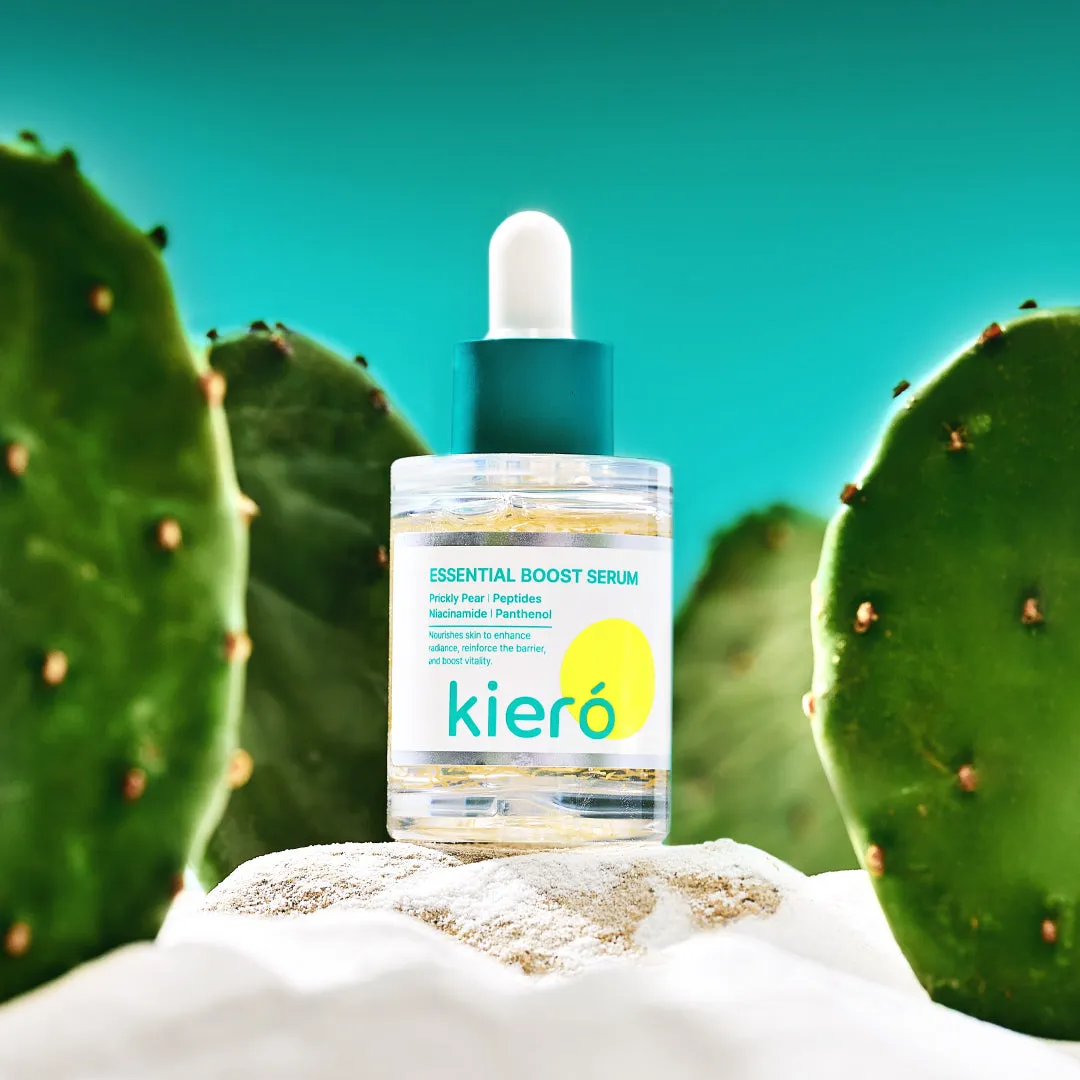
Essential Boost Serum
Lightweight serum to nourish skin, reinforce the barrier, and improve radiance.
Use a lightweight serum after cleansing and toner. If your skin is sensitive, pair it with fewer exfoliation nights rather than adding every active at once.
Why is sunscreen the most important dark-spot step?
Daily sunscreen is the most important post-acne dark-spot step because UV and visible light can keep pigment looking darker for longer.
For acne-prone Latina skin, sunscreen is not only about preventing sunburn. It is part of acne-mark management. Post-inflammatory hyperpigmentation becomes harder to fade when UV exposure continues to stimulate pigment pathways.
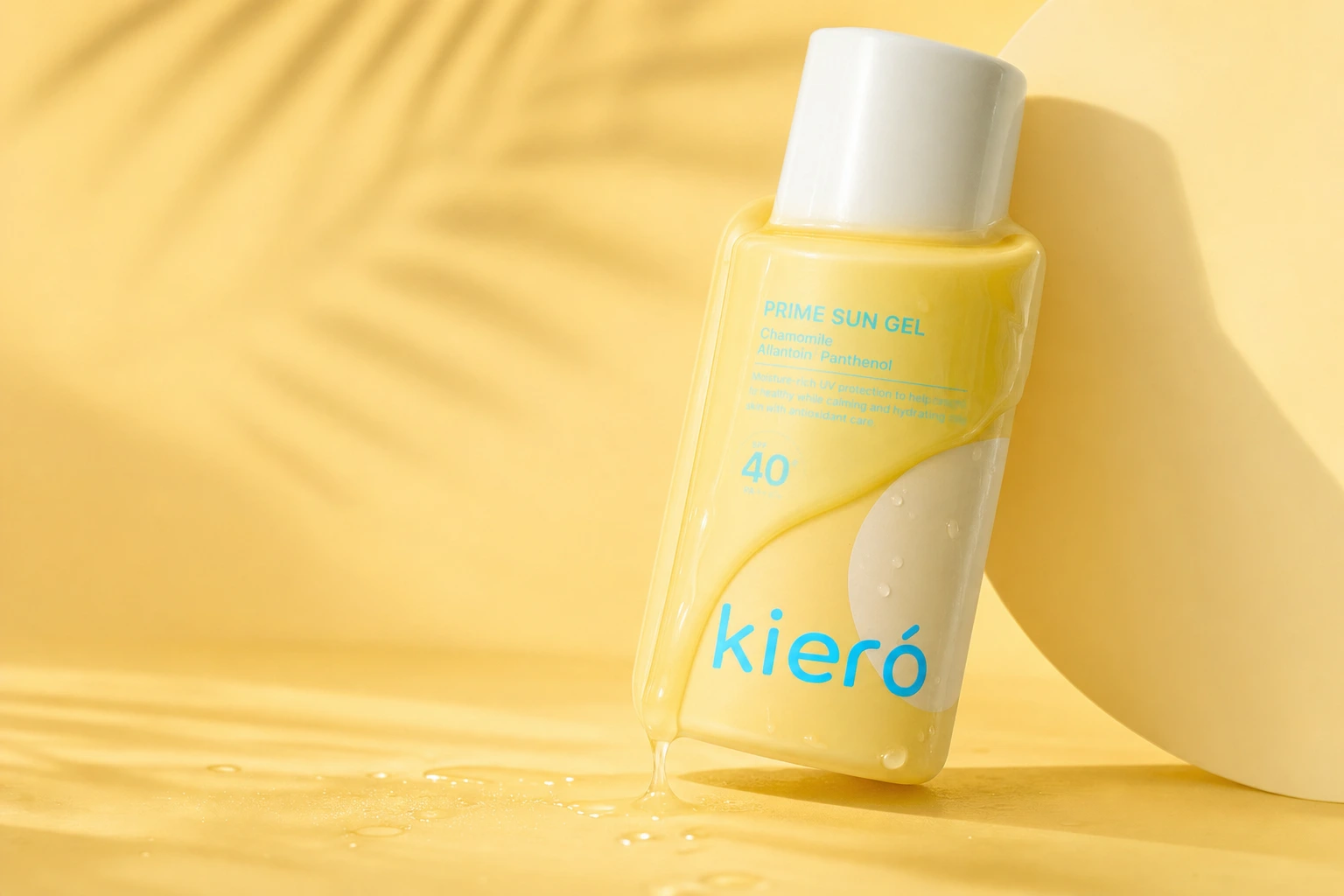
Clinical literature cited in the research report identifies broad-spectrum SPF 50+ with blue light protection above 370 nm as the gold standard for preventing post-acne marks in Fitzpatrick IV to VI phototypes (Medical Journals Sweden, 2026). Kiero’s Prime Sun Gel SPF 40+ offers SPF 40+ PA++++ in a lightweight gel texture with chamomile, azulene, and panthenol for daily wear.
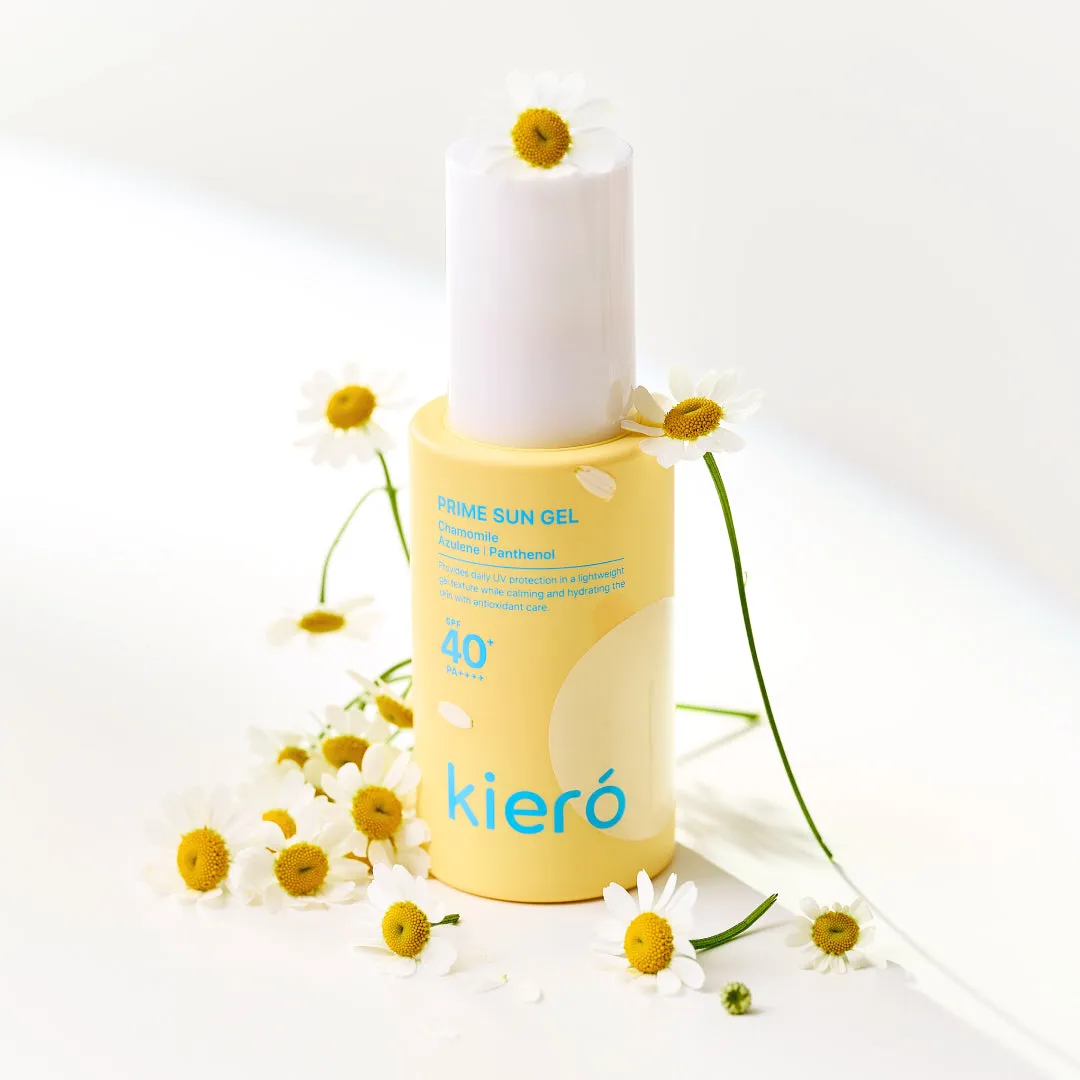
Prime Sun Gel SPF 40+
Daily gel sunscreen with SPF 40+ PA++++, chamomile, azulene, and panthenol in a lightweight texture for warm weather.
The practical takeaway is balanced: Prime Sun Gel SPF 40+ is a strong daily texture choice for humid weather, while people with stubborn post-acne marks, intense outdoor exposure, or melasma-prone skin may prefer to look for SPF 50+ and visible-light protection as their strict benchmark.
Apply sunscreen every morning as the last skincare step. Reapply every two hours when outdoors, sweating, swimming, or wiping the face. For more sunscreen-specific comparisons, Kiero’s guide to the best Korean sunscreen in Mexico covers SPF texture and daily-wear considerations.
How does Kiero compare with COSRX and Beauty of Joseon for tropical Latina skin?
Kiero is positioned for warm Latin American climates, while COSRX and Beauty of Joseon are broader K-beauty brands with different texture priorities.
COSRX, Beauty of Joseon, Round Lab, and other Korean skincare brands are widely recommended because they offer strong product lines. The better question is not which brand is universally better. The better question is which routine fits combination acne-prone Latina skin in heat and humidity.
| Routine need | Kiero | COSRX | Beauty of Joseon |
|---|---|---|---|
| Tropical texture fit | Lightweight, fragrance-free routine focused on warm-climate comfort | Some formulas can feel tacky or heavy in high humidity, depending on product choice | Many elegant textures, but not every formula is built around acne-prone tropical skin |
| Exfoliation approach | Enzymes, AHA, and PHA for texture care with a gentler profile | Often associated with beta hydroxy acid formats and acne-focused actives | More known for heritage ingredients such as rice and ginseng |
| Dark-spot strategy | Gentle exfoliation and daily sunscreen as a linked routine | Strong acne-care recognition, but routine must be edited for climate | Strong brightening reputation, though acne and humidity needs vary by product |
| Latina skin fit | Built around warm Latin American climates and real skin needs in the region | Popular globally, but not specifically positioned for Latina skin | Popular globally, but not specifically positioned for tropical Latina skin |
Kiero’s advantage is specificity. The routine does not ask combination skin to tolerate heavy layers or harsh scrubs. It focuses on the problems that show up together in tropical weather: oil load, clogged texture, barrier stress, and post-acne dark spots.
For readers who already use COSRX or Beauty of Joseon, the switch does not need to be all at once. Start by changing the step that feels least climate-compatible. In many humid routines, that is cleanser texture, exfoliation style, or sunscreen finish.
What is the simplest K-beauty routine for travel and hot days?
The simplest hot-weather routine is a four-step version: cleanse, treat, protect in the morning, and double cleanse at night.
A full routine is helpful, but tropical travel, beach days, gym days, and humid commutes often require a shorter version. Keep the steps that remove residue, prevent new clogged pores, and reduce the chance of dark marks.
Morning routine:
- Cleanse lightly with Refining Enzyme Cleanser if you wake up oily, or rinse with water if your skin feels balanced.
- Apply Essential Boost Serum for lightweight barrier support.
- Apply Prime Sun Gel SPF 40+ generously as the last step.
- Reapply sunscreen during outdoor exposure, especially after sweating or wiping your face.
Night routine:
- Remove sunscreen and makeup with Comfort Cleansing Balm.
- Follow with Refining Enzyme Cleanser to clear residue without rough scrubbing.
- Use Balance Toner Pads on selected nights for texture and visible pore refinement.
- Finish with Essential Boost Serum and pause if the skin feels irritated.
Fragrance-free product selection is also useful in heat because sweat and friction can make reactive skin less tolerant. Keep the routine boring in the best way: low-friction cleansing, gentle renewal, one targeted serum, and sunscreen every day.
Build your humid-weather K-beauty routine
Choose lightweight Kiero formulas for cleansing, texture care, barrier support, and daily sunscreen in warm Latin American climates.
FAQS