Niacinamide Percentage for Oily, Acne-Prone Skin
2% to 5% niacinamide is often enough for oily, acne-prone skin, while 10% suits tougher pores and marks with more irritation risk.
Key takeaways
- Oily, acne-prone skin usually does well with 2% to 5% niacinamide for daily maintenance and sebum reduction.
- Niacinamide concentrations between 5% and 10% are recommended for significant pore refinement and treating post-inflammatory hyperpigmentation.
- In humid weather, texture and tolerance matter as much as percentage, especially if you layer peptides, retinol, or azelaic acid.
What does niacinamide do for oily, acne-prone skin?
Niacinamide has efficacy in treating acne and increases the production of ceramides to help oily-dehydrated skin retain moisture.
Niacinamide is a skincare active used to help oily skin. It also helps the skin hold water more effectively, which matters when skin feels greasy on top but tight or dehydrated underneath.
A 2024 review on niacinamide mechanisms notes that 4% niacinamide has shown acne-treatment efficacy comparable to 1% clindamycin in the studies it reviewed (PMC, 2024). This means the ingredient has credible support as part of a routine for mild-to-moderate breakouts, especially when oiliness, redness, and barrier stress appear together.
Niacinamide also supports ceramide production, which helps oily-dehydrated skin retain moisture (PMC, 2024). This is why the ingredient often fits warm, humid routines better than heavy occlusive creams. When the barrier holds water more consistently, skin may feel less reactive and less compelled to overproduce oil after cleansing.
For a K-Beauty-inspired routine in Latin American heat, the practical question is not simply which number looks strongest on a label. The better question is whether the concentration, texture, and supporting ingredients let you use the product consistently without stinging, stickiness, or congestion. A lighter formula that you tolerate daily often beats a stronger serum you abandon after three nights.
If climate is your main challenge, exploring Korean skincare for oily skin in humid weather can be helpful when considering how cleanser, serum, moisturizer, and SPF textures work together instead of competing for space on the skin.
Why is 2% to 5% the daily sweet spot?
The 2% to 5% niacinamide range is the gold standard for daily maintenance and sebum reduction.
For oily, acne-prone skin, 2% to 5% is usually the best starting range because it gives the ingredient room to work without pushing the barrier too hard. The 2% to 5% niacinamide range is considered the gold standard for daily maintenance and sebum reduction. That makes it especially relevant for beginners, teens, retinoid users, and people whose skin gets reactive in heat.
Market behavior points in the same direction. Niacinamide products below 5% led consumer preference with 47.6% market share in 2025, a pattern connected to lighter-feeling formulas and better cosmetic comfort (Market.us, 2025). For oily skin, comfort is not a superficial detail. A serum that dries quickly and layers cleanly under sunscreen is easier to use every morning, which is where steady results come from.
In this range, niacinamide is used for:
- Daily maintenance
- Sebum reduction
- Beginner routines that need fewer irritation variables
For humid weather, the formula matters as much as the percentage. A lighter format is designed for non-sticky layering rather than aggressive active loading, which fits the lower-to-mid concentration logic.
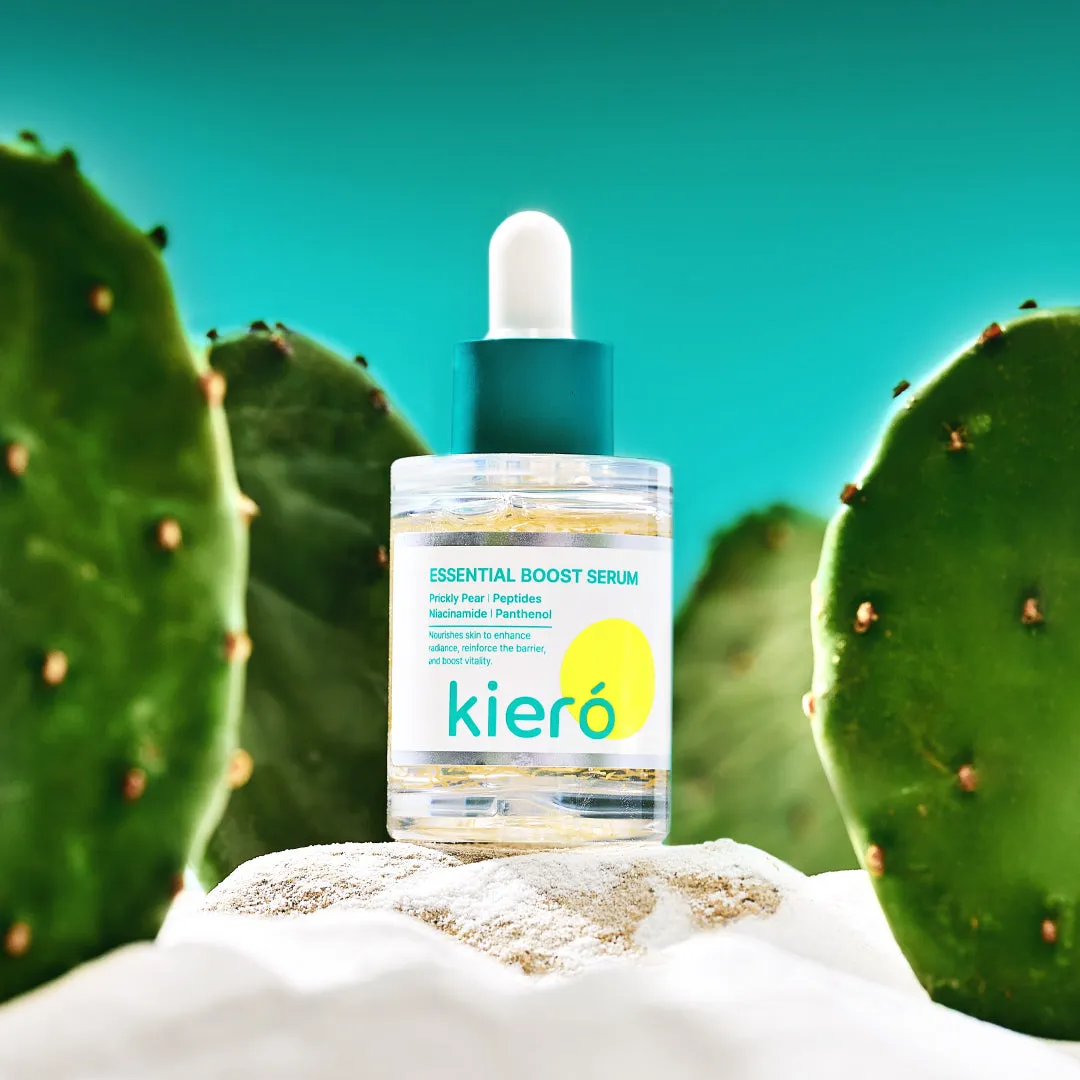
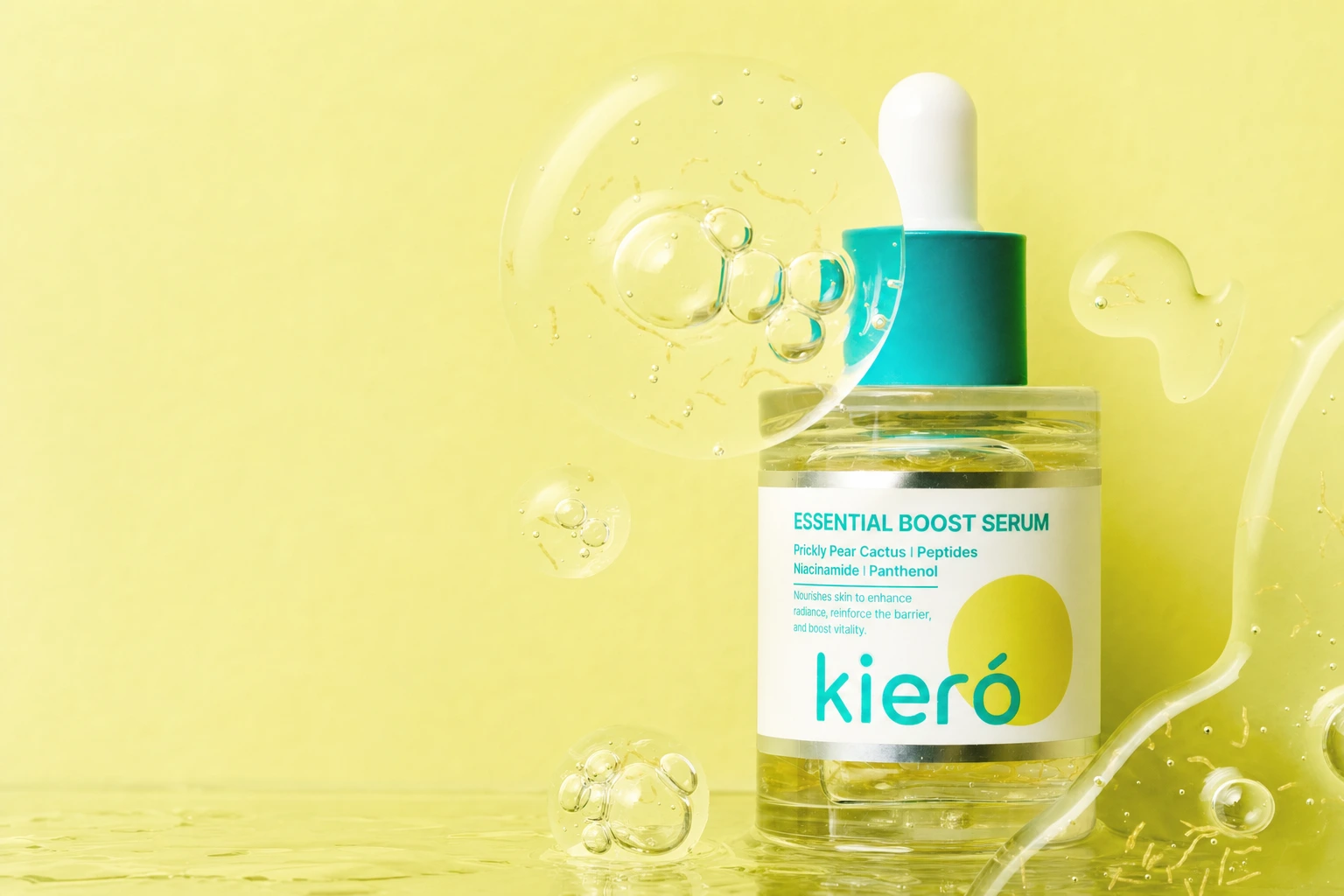
Essential Boost Serum
A lightweight serum for daily maintenance.
When should you step up to 5% to 10% niacinamide?
5% to 10% niacinamide formulas target pores and post-inflammatory hyperpigmentation.
The higher range is not wrong. It is just more specific. 5% to 10% niacinamide addresses visible pores and post-inflammatory hyperpigmentation. Shigeru Beauty published guidance in 2026 categorizing 5% to 10% niacinamide for pore refinement and treating post-inflammatory hyperpigmentation (Shigeru Beauty, 2026).
This is where the phrase "more is better" becomes misleading. A 10% serum may feel appropriate if your skin barrier is stable, you are not over-exfoliating, and you can wear sunscreen consistently. It may feel too strong if your face stings after cleansing, flakes around the nose and mouth, or reacts badly when you layer actives.
Choose 5% to 10% niacinamide when most of these are true:
- You have used lower-strength niacinamide without stinging
- Your breakouts are mild-to-moderate, not deep cystic acne
- Your post-acne marks are more visible than active irritation
- Your sunscreen routine is consistent enough to protect fading marks
- You are not starting retinol, exfoliating acids, and niacinamide all in the same week
Stay closer to 2% to 5% when your skin barrier is already stressed.
Is more than 10% niacinamide risky?
Niacinamide above 10% can increase irritation risk and may not give better results than a well-tolerated lower concentration.
Very high niacinamide percentages are popular because they look decisive on packaging. For oily, acne-prone skin, they can also backfire. Concentrations exceeding 10% may cause irritation and often deliver diminishing returns compared with more moderate strengths (InStyle, 2026).
Acne-prone skin is not automatically strong skin. For this type of skin, a very high niacinamide percentage can sometimes feel like another stressor rather than support.
High concentrations of niacinamide can cause irritation.
If that happens, do not keep pushing through. Scale back to a lower concentration, reduce frequency, or switch to a peptide-niacinamide format with panthenol or barrier-supporting moisturizers. Some routines include a barrier cream step.
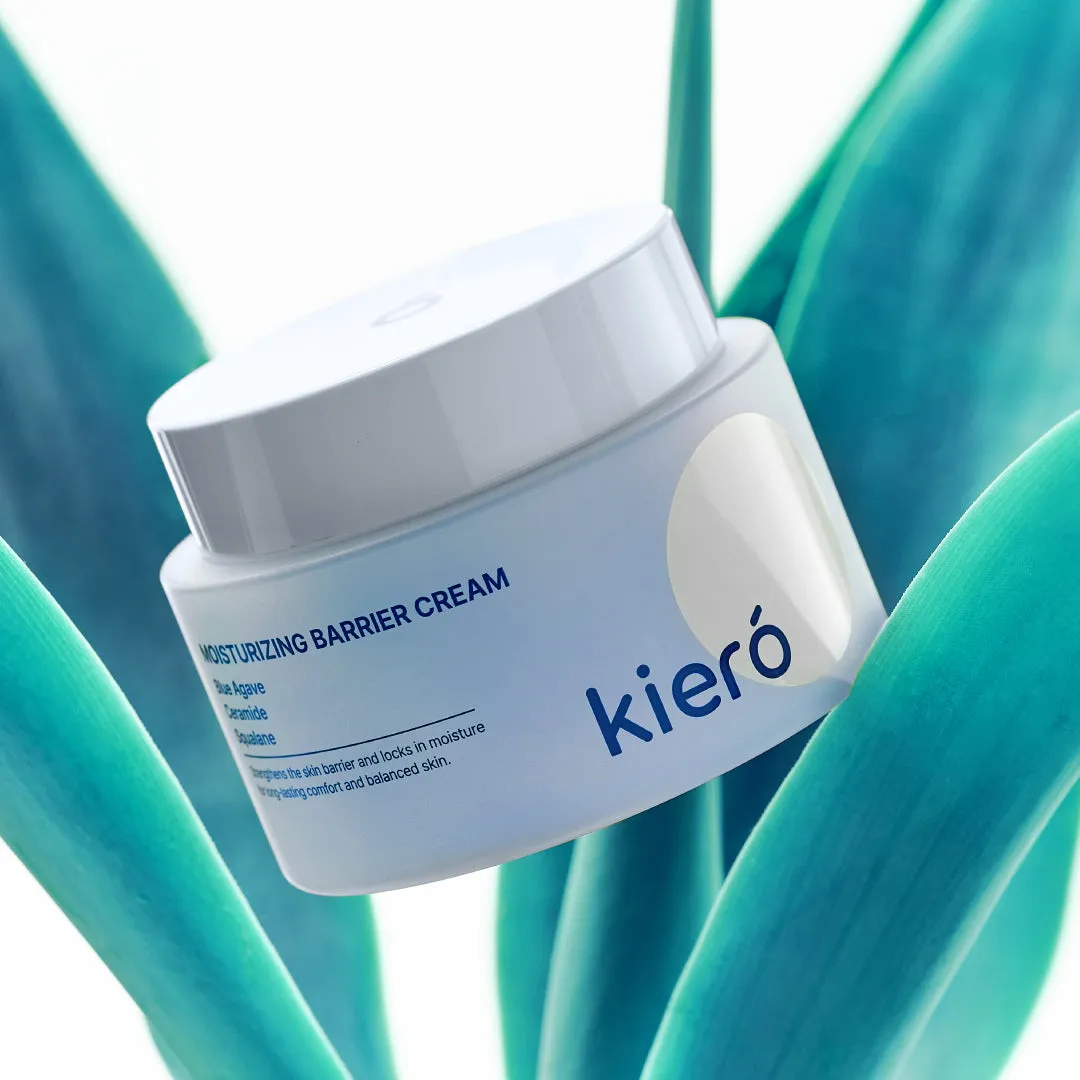
Moisturizing Barrier Cream
Moisturizing cream for barrier comfort.
The safest test is boring but useful: apply the product to one area for several nights before using it across your whole face. If the skin stays calm, increase slowly. If it stings, the better move is not a stronger serum. It is a simpler routine.
Which niacinamide format works best in humid weather?
Lightweight serum formats work best in humid weather because they layer under sunscreen without the sticky feel of heavier creams.
Humidity changes skincare behavior. A product can have the right active percentage and still fail because it feels tacky, pills under SPF, or makes an oily T-zone look heavier by midday. That is why serum format matters for oily, acne-prone skin in warm climates across Latin America.
For oily skin, lightweight water-based or emulsion textures are generally easier to layer than dense creams during the day. Creams still have a role, but often at night or when the barrier needs extra comfort.
Niacinamide can be formulated at a 5% concentration.
A lightweight serum is an option when the routine needs a format for humid weather.

Daytime routines should end with sunscreen, particularly if acne marks are part of the concern. For options that fit warm weather, see a guide to the best Korean sunscreen in Mexico.
How should you pair niacinamide with retinol or azelaic acid?
Niacinamide pairs well with retinol for barrier comfort, while azelaic acid is stronger for inflamed acne marks and stubborn pigment.
Niacinamide is flexible because it does not require the narrow pH conditions that some acids do. That makes it useful in routines with retinol, azelaic acid, sunscreen, and barrier creams. The key is choosing the pairing based on the skin problem, not simply stacking every active at once.
For retinol users, niacinamide can act as a buffer that helps mitigate irritation, redness, and dryness associated with retinoic acid use (Sachi Skin, 2026). If your skin feels fragile, apply a niacinamide product or barrier cream before retinol, use retinol less often, or separate stronger actives into different nights.
For acne marks and pigment, azelaic acid may be the more targeted partner. A 16-week clinical review reported that combining 5% niacinamide with 20% azelaic acid reduced acne by 75% and improved hyperpigmentation by 85% (Cosmoderma, 2026). That combination is promising, but it should still be introduced gradually because azelaic acid can tingle at first.
| Goal | Niacinamide | Azelaic acid | Practical choice |
|---|---|---|---|
| Oil control | Strong daily fit | Moderate support | Start with niacinamide |
| Redness after breakouts | Moderate support | Stronger fit for inflammatory tone | Use azelaic acid if redness persists |
| Dark post-acne marks | Good supportive role | More targeted pigment role | Combine carefully if skin tolerates both |
| Sensitive barrier | Usually easier to tolerate | Can itch or tingle at first | Start low and separate nights |
| Layering complexity | Easy in most routines | More dependent on formula and tolerance | Add one active at a time |
Expected timelines should stay realistic. Skin may feel more hydrated or less oily in 1 to 2 weeks, but visible redness and pore changes often take 4 to 8 weeks (Shigeru Beauty, 2026). Dark marks usually take longer because pigment fades slowly and depends heavily on daily sun protection.
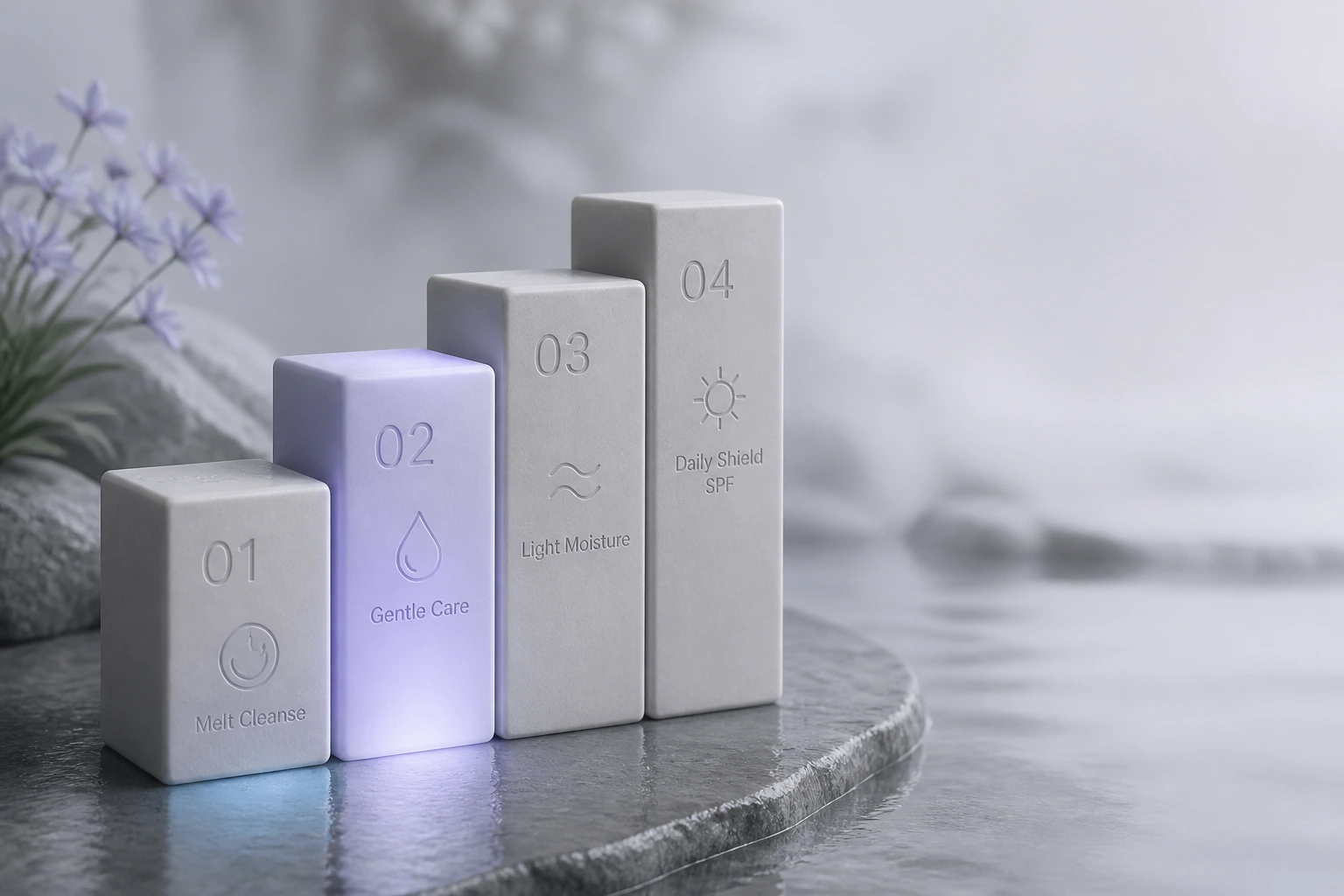
A simple routine for oily, acne-prone skin could look like this:
- Cleanse without leaving the face tight or squeaky.
- Apply a 2% to 5% niacinamide serum, or a peptide-niacinamide serum if the barrier feels reactive.
- Use a light moisturizer, or a barrier cream at night when retinol causes dryness.
- Wear sunscreen every morning, especially when treating post-acne marks.
- Add retinol or azelaic acid slowly, one product at a time.
If you are comparing K-Beauty-inspired options in Mexico, Kiero's overview of the best Korean skincare brands in Mexico can help place ingredient strategy inside a full routine.
Build a lighter hydration routine
Choose textures that support oily, acne-prone skin without making humid weather feel heavier. Start with hydration products that fit daily layering.
FAQS