Korean Toner Pads vs. Acid Serums: Which Is Gentler?
Compare acid formulas, application and frequency to find the gentler fit; Kiero Balance Toner Pads offer a once-daily AHA/PHA wipe-on option.
Quick answer: choose by acid formula and application method, not the container.
- Pads involve wiping or placement; hand-applied serums avoid pad-surface friction.
- Kiero Balance Toner Pads pair glycolic acid, an alpha hydroxy acid, with gluconolactone, a polyhydroxy acid, and direct a gentle daily wipe.
- The key choice is how the acids, application and frequency fit your skin and routine.
- For dark spots, AAD guidance connects product irritation with new discoloration.
If your skin feels sensitive and you also have rough texture or dark spots, choose by the product label and your skin’s response, not by whether the formula comes in a pad or serum bottle. A pad can deliver exfoliating acids and add wiping friction. A serum can skip the pad surface but still leave acids on the skin. Either format can feel comfortable or irritating, depending on the formula and directions.
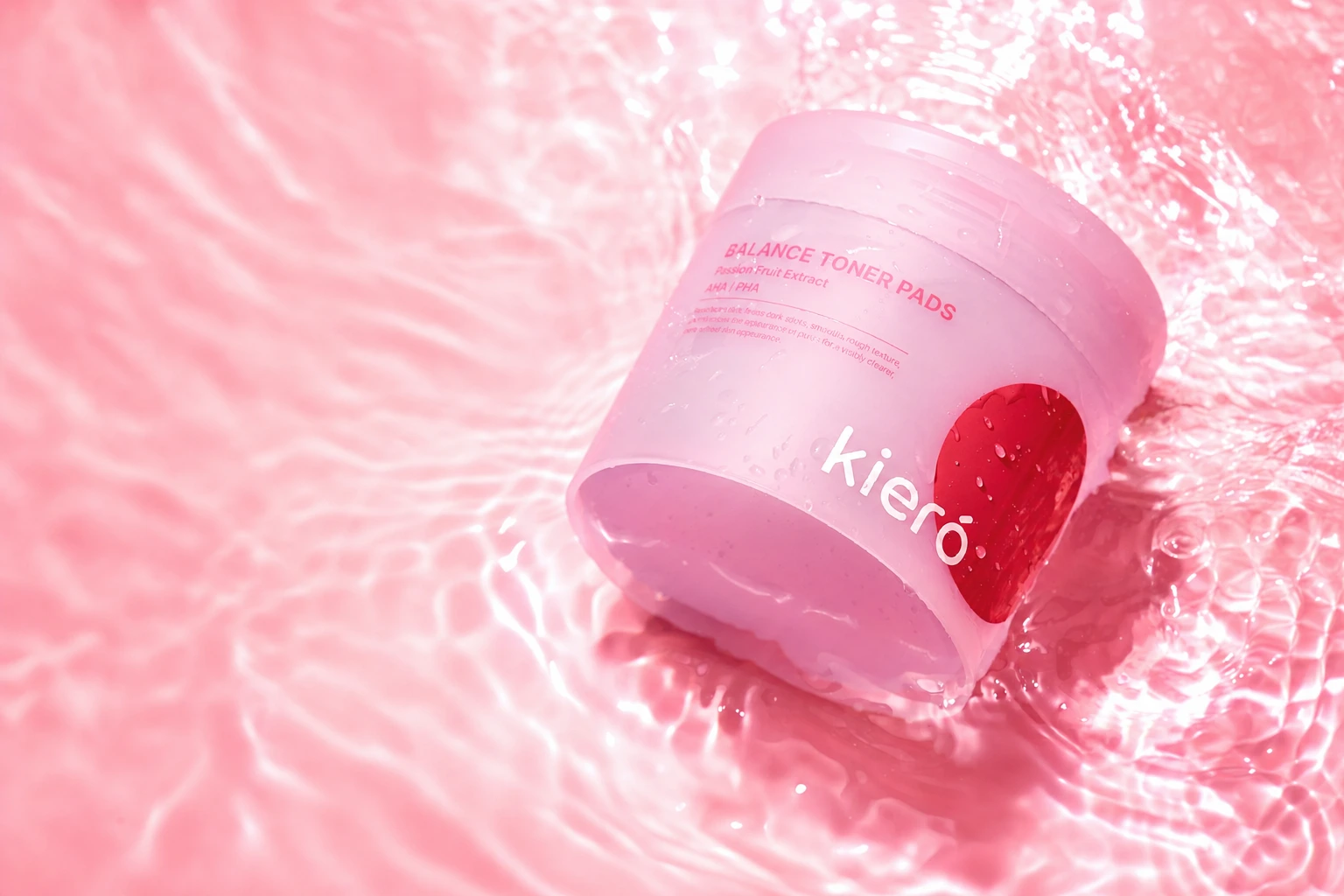
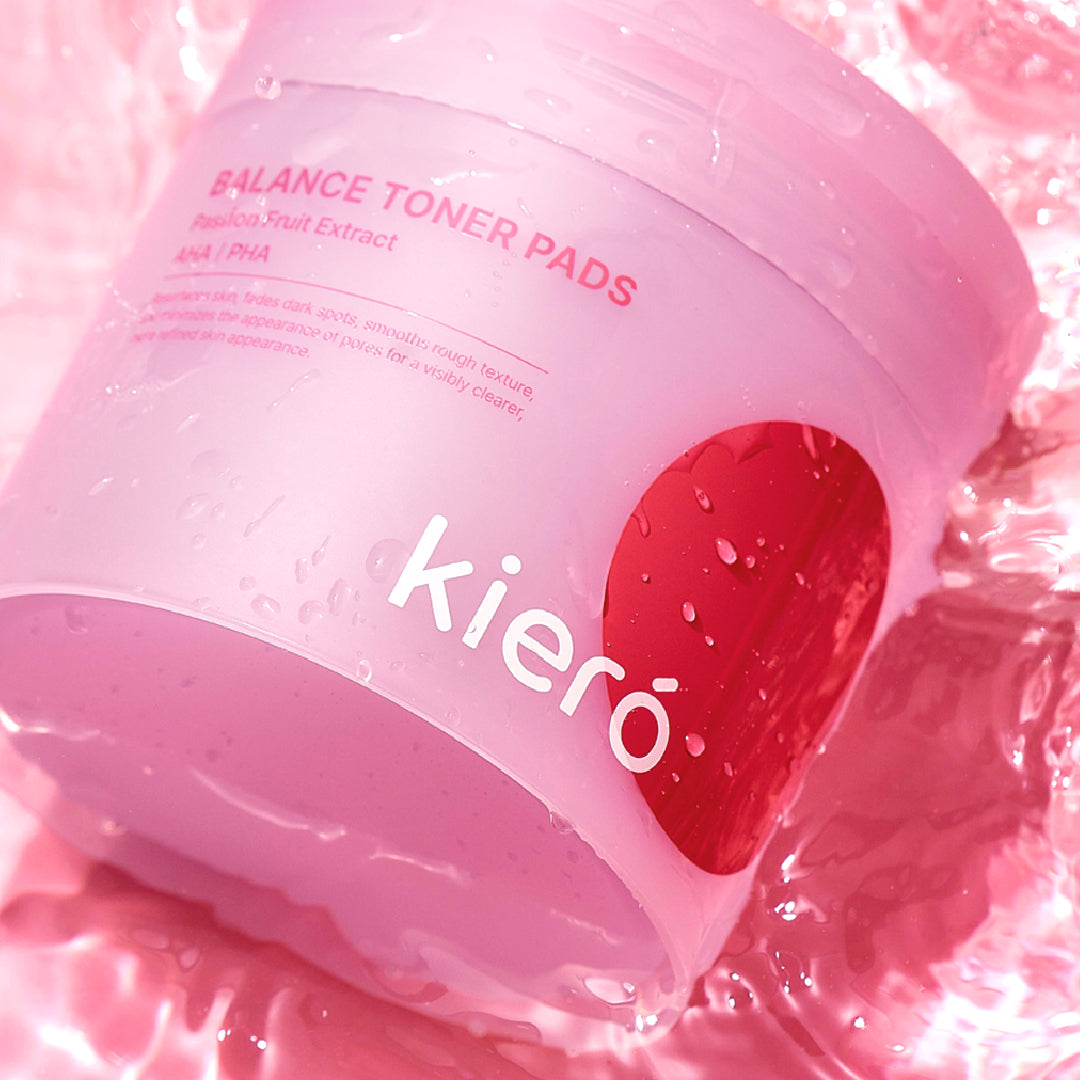
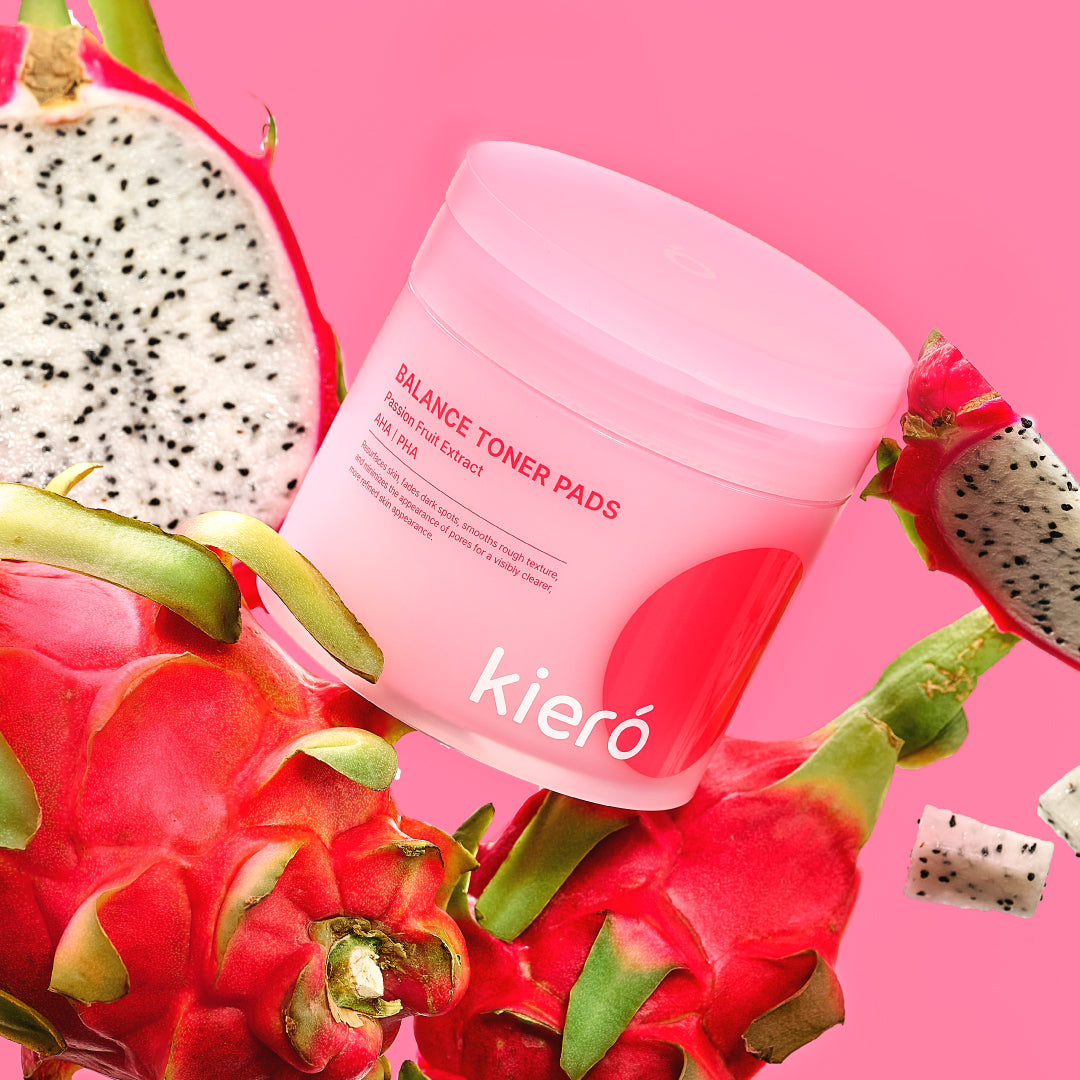
For readers comparing formats, Kiero Balance Toner Pads offer a documented AHA/PHA wipe-on option. Kiero’s official product page identifies glycolic acid and gluconolactone and directs users to gently wipe a pad over cleansed skin once daily, morning or night.
Balance Toner Pads
Are toner pads automatically gentler than acid serums?
No: the acid formula, application and frequency shape the gentler fit. A pad describes the application surface, while a serum is generally applied directly and left on; an acid percentage states concentration, and pH measures acidity. The American Academy of Dermatology’s home-exfoliation guidance recommends matching exfoliation to your skin type. It says people with dry, sensitive or acne-prone skin may prefer a mild chemical exfoliator, because a brush, pad or scrub can add physical friction.
Some pads involve a swipe across the face, which adds movement and friction to the chemical ingredients. A reader can use a serum with fingertips when its directions allow, or choose a pad and press rather than scrub if the directions permit that method. Those actions change the application, not the product’s acid content. A serum that stays on the skin also needs to be assessed by its own ingredients and use instructions.
The concern is especially important when dark spots follow acne, a burn, or another irritation. The AAD’s dark-spot guidance explains that irritating skin-care products can cause dark spots and advises stopping a product that burns or stings. The same page recommends gentle products and makes sun protection part of dark-spot care. For someone whose skin marks after irritation, a sting or rash is a reason to stop, not a sign that an exfoliant is working better.
A 12-week clinical study compared skin-care regimens containing gluconolactone, a polyhydroxy acid, and glycolic acid, an alpha hydroxy acid. Researchers assessed facial photoaging and irritation at baseline and after six and 12 weeks, along with measures of skin resiliency and participants’ views of efficacy and tolerance. The PubMed-indexed study found the gluconolactone regimen better tolerated by irritation ratings and participants’ assessments. In that 12-week comparison, the finding applied to those particular regimens, which used acids in products rather than comparing pad and serum formats.
For your choice, use acid identity alongside the product’s application method and frequency. If wiping itself bothers your skin, a hand-applied serum avoids pad-surface friction.
What should I compare on a pad or serum label?
AHA means alpha hydroxy acid, PHA means polyhydroxy acid, BHA means beta hydroxy acid, and LHA means lipohydroxy acid; pH is a measure of acidity. The AAD’s exfoliation overview separates chemical exfoliation from mechanical exfoliation and notes that a pad can be a tool for mechanical exfoliation. A toner pad can therefore involve both a chemical ingredient and physical contact, depending on how it is used.
| Label detail | What to compare | How it informs a gentleness choice |
|---|---|---|
| Exfoliating ingredients | AHA, PHA, BHA, LHA, or a named acid such as glycolic acid | The ingredient name identifies the exfoliant the maker lists. |
| Percentage and pH | A stated acid percentage or pH, if published | A percentage states concentration, while pH measures acidity; compare the same kind of value across products. |
| Supporting formula | Other listed ingredients, such as panthenol, allantoin or hyaluronic acid | These names describe additional ingredients alongside the exfoliating acids. |
| Application surface | Textured pad, smooth pad, liquid or serum applied by hand | Wiping a pad involves surface contact; applying a serum by hand can avoid that wiping step when directions allow. |
| Contact and frequency | Wipe-on, targeted application, leave-on timing and use schedule | Directions establish how to apply the product and how often the maker recommends using it. |
| Skin response | Burning, stinging, redness, itching or swelling | The AAD advises stopping a product that burns or stings; redness, itching or swelling are signs to watch during a patch test. |
Ingredient lists describe what is present, but product directions describe how the maker expects the item to be applied. A pad designed to swipe over the face is not identical in use to one placed on a spot for a set time. Likewise, an acid serum may be left on the skin, but its formula and schedule still matter. Compare products at the same level: ingredients with ingredients, strength with strength when available, and directions with directions.
Your current routine also changes the comparison. The AAD advises considering medicines and over-the-counter products that may make skin more sensitive or cause peeling, including prescription retinoids, retinol and benzoyl peroxide. Exfoliating while using these products may worsen dryness or acne. If one is already part of your routine, note it before choosing an additional acid product, and discuss the combination with a dermatologist.
How does Kiero Balance Toner Pads fit?
Kiero Balance Toner Pads fit a reader seeking a wipe-on AHA/PHA pad that Kiero describes for rough texture and dark spots. Kiero’s official product page identifies passion fruit extract, an AHA and a PHA. The ingredient list names glycolic acid, gluconolactone, panthenol and sodium hyaluronate. Kiero says the pads renew skin, soften rough texture, add luminosity, help fade dark spots and refine the appearance of pores.
The listing gives a jar size of 60 pads in 185 mL (6.26 fl oz).
Kiero’s directions say to cleanse first, gently wipe a pad over the face, avoid the eye area and use the product daily in the morning or at night. A gentle pass follows the stated method and avoids scrubbing the pad across the face.
Choose Kiero when a once-daily wipe-on AHA/PHA pad matches your routine; choose a hand-applied serum when avoiding pad wiping matters more.
What does the Innisfree Green Tea Enzyme Vitamin C pad offer?
Innisfree’s Green Tea Enzyme Vitamin C Brightening Toner Pads suit a reader seeking a PHA-containing pad with a brightening and hydrating formula. The U.S. product page gives its ingredient and use details; a separate Australian listing states 7% plant-derived PHA for that listing. Innisfree’s U.S. page says the pads gently exfoliate to fade dark spots, smooth skin and boost radiance, and names Vitamin C and green tea enzyme.
The U.S. ingredient list includes gluconolactone, niacinamide, magnesium ascorbyl phosphate, panthenol, allantoin, sodium hyaluronate, beta-glucan and madecassoside. Innisfree describes a blend of hyaluronic acid, madecassoside, allantoin and panthenol as its Hydro-Soothing Complex. The maker notes that ingredient lists can change and recommends checking the individual product package for the current list.
The U.S. directions say to start with clean skin, swipe the pad over the face and neck for all-over use, or place it on an area of concern and remove it after 10 minutes. The same page directs morning-and-evening use. The U.S. collection lists 20- and 60-pad sizes, giving a smaller-pack option for readers who want to try the format.
Choose this option when its U.S.-listed ingredients and choice of all-over or targeted pad application suit your routine. Its morning-and-evening schedule is more frequent than Kiero’s once-daily directions.
When might a PHA-and-fruit-acid pad with niacinamide fit?
The closest verified match to a PHA, fruit-derived ingredient and niacinamide profile is the Innisfree U.S. ingredient list, which names gluconolactone, niacinamide and tangerine peel extract. The label identifies the tangerine ingredient as a peel extract and lists gluconolactone separately as an exfoliating ingredient.
Innisfree also describes Vitamin C with niacinamide as helping brighten and fade dark spots. Choose this profile when you want a PHA-containing pad with niacinamide and a Vitamin C-oriented brightening formula.
When might a glutathione-and-LHA pad fit?
Abib’s Glutathiosome dark spot pad Vita touch (Renewal) is a pad option for a reader seeking the maker’s glutathione-focused dark-spot formula. The official Abib product page names glutathione, niacinamide and vitamin C in its dark-spot positioning. The page also lists LHA, panthenol, allantoin, beta-glucan and madecassoside, describes daily use, and gives a jar size of 70 pads in 250 mL (8.45 fl oz).
Kiero lists glycolic acid and gluconolactone, while Abib lists LHA, or lipohydroxy acid, alongside glutathione, niacinamide and vitamin C. Choose Abib when those glutathione and tone-focused ingredients are your priority; choose Kiero when you want its named glycolic-acid and gluconolactone combination.
Abib also describes its pad as suitable for sensitive skin, non-irritating and fragrance-free.
When should I compare a leave-on acid serum instead?
Compare an acid serum when you prefer applying an exfoliant by hand or want to avoid wiping a pad across your face. A hand-applied serum can avoid pad-surface friction when its instructions allow that method. That application style can suit someone who finds wiping uncomfortable, while the serum’s acids and use schedule still shape the choice.
Because an exfoliating serum stays on the skin according to its directions, compare its named acid, stated concentration or pH, and frequency of use. The AAD says exfoliation frequency depends on skin type and method, and stronger exfoliation should be less frequent.
Sun exposure is another decision factor for a product containing an AHA such as glycolic acid. The FDA’s AHA guidance says topical alpha hydroxy acids may increase skin sensitivity to sunlight during use and for up to a week after stopping. FDA advises sunscreen, protective clothing and limiting sun exposure while using an AHA product and for a week afterward.
Which option fits rough texture, dark spots, and sensitivity?
For someone with rough texture, dark spots and sensitivity, first consider whether the skin is calm enough for an exfoliating product. When skin is stinging, inflamed or reacting to other products, choose a gentle routine before adding an exfoliant; the AAD says never exfoliate open cuts, wounds or sunburned skin. The AAD advises avoiding strong chemical or mechanical exfoliation for people with darker skin tones or dark marks after acne, burns or bug bites, because more aggressive exfoliation may increase pigmentation for some people.
Make sun protection part of your dark-spot plan
Sun protection gives dark-spot care a second tool alongside exfoliation. The American Academy of Dermatology’s dark-spot guidance says effective treatment begins with sunscreen and recommends a tinted sunscreen with iron oxide, because visible light can contribute to dark spots. The AAD also recommends SPF 30 or higher, broad-spectrum protection and water resistance. If your skin is oily, choose a non-comedogenic formula, and pick a tint that blends with your skin tone to avoid a white cast.
Apply sunscreen before going outside to all skin clothing will not cover. The AAD says sunscreen used this way can prevent new dark spots and help clear existing ones. Reapply every two hours and after swimming or sweating. Outdoors, a wide-brimmed hat adds another layer of protection, and avoiding the strongest sun from 10 a.m. to 2 p.m. can reduce direct exposure.
Iron oxide can appear in the inactive-ingredients list on a sunscreen label. The AAD explains that iron oxide protects against visible light, while the active ingredients listed on the label protect against ultraviolet rays. That distinction helps when you are choosing a tinted product for dark-spot care: check the tint’s ingredient list for iron oxide and the active ingredients for UV protection.
An exfoliating pad or serum does not replace these sun-protection steps. For products aimed at fading spots, the AAD says results tend to improve after the cause has been addressed and skin is protected from sunlight. Its over-the-counter ingredient list includes azelaic acid, glycolic acid, kojic acid, retinoids and vitamin C, so glycolic acid is one option among several rather than the only path to a more even-looking tone.
The AAD notes that acne, eczema and psoriasis can cause hyperpigmentation and that medium-to-dark skin tones can develop dark spots when a trigger prompts extra melanin. Other triggers include irritation from a skin-care product, skin injury, certain medicines and hormonal changes such as pregnancy. When a skin condition causes a mark, effective care of that condition is the first step.
If irritation caused a dark mark, address the irritation first. The AAD says new dark spots tend to stop appearing when the skin is no longer irritated, and existing spots often clear over time. A product that continues to burn or sting adds irritation to the concern, so the AAD advises stopping it and choosing gentler skin care.
For example, if you are choosing for roughness and marks left after breakouts, keep the breakout cause and sunlight protection in the plan before adding an exfoliant. Once your skin is comfortable, compare one pad or serum by its named acids, method and schedule. A dermatologist can help when the cause of a mark is unclear or the reaction is severe.
| Your first priority | Product profile to compare | Why it may fit |
|---|---|---|
| A pad with named AHA and PHA for rough texture and dark spots | Kiero Balance Toner Pads | Kiero lists glycolic acid and gluconolactone, describes benefits for rough texture and dark spots, and directs a gentle wipe once daily. |
| A PHA-containing brightening pad with targeted-use directions | Innisfree Green Tea Enzyme Vitamin C Brightening Toner Pads | The U.S. page lists its ingredients and gives swipe or 10-minute targeted directions. |
| A pad highlighting glutathione with LHA | Abib Glutathiosome dark spot pad Vita touch (Renewal) | Abib lists glutathione, niacinamide, vitamin C and LHA, and describes daily use. |
| Avoiding the wiping action of a pad | A leave-on acid serum with clear instructions | Hand application can avoid pad friction when the serum’s directions allow it. |
| A combination of sensitivity and recent irritation | A gentle, non-exfoliating routine until skin settles | The AAD advises gentle care and stopping products that burn or sting; irritation can contribute to dark spots. |
When sensitivity is the main concern, start with gentle care and choose a mild exfoliation method suited to your skin type. Introduce one new exfoliating product at a time and follow its own instructions. The AAD suggests seeing a dermatologist if an over-the-counter treatment does not deliver the results you want, since some dark spots need prescription-strength care.
How should I introduce an exfoliating product while managing dark spots?
- Choose one product and read the full directions. Kiero directs users to cleanse first, gently wipe Balance Toner Pads over the face, avoid the eye area and use daily in the morning or at night.
- Patch test before applying it over the face. The AAD’s product-testing instructions recommend applying a normal amount to a quarter-sized spot that will not be rubbed or washed away twice daily for seven to 10 days. Leave the product on for the time its directions specify. If redness, itching or swelling appears during the test, gently wash the product off and do not use it again.
- Keep the rest of the routine familiar. Use one new exfoliant at a time so a change in your skin is easier to link to the product you introduced. The AAD says exfoliation frequency depends on skin type and method, and more aggressive exfoliation should be done less often. Exfoliation can dry the skin, so apply moisturizer afterward.
- Stop if the product burns or stings. The AAD’s dark-spot guidance says an irritating skin-care product can cause dark spots. If a reaction develops, gently wash the product off as soon as possible and do not use it again. A cool compress or petroleum jelly can help; seek a dermatologist’s care if a severe reaction does not improve with those measures.
- Protect skin from sunlight, especially with an AHA. For topical AHA products, FDA advises sunscreen, protective clothing and limited sun exposure during use and for a week afterward.
- Reassess before adding another active. When your skin stays comfortable, keep using the product within its label directions. If redness, stinging or new dark marks appear, return to a gentle routine and ask a dermatologist before restarting an exfoliant.
FAQ
Are Korean toner pads gentler than acid serums?
The gentler fit depends on the product’s acid formula, directions and application; pads involve wiping or placement, while hand-applied serums avoid pad-surface friction. Compare the acid types, stated strength, schedule and the way you apply each option. Choose the method that fits your sensitivity and routine.
Do Kiero Balance Toner Pads list an acid percentage?
Kiero’s Balance Toner Pads listing names glycolic acid, gluconolactone, panthenol and sodium hyaluronate, and directs a gentle wipe daily in the morning or at night.
Can I use an exfoliating pad every day?
Follow the product’s directions and choose a schedule suited to your skin. Kiero directs daily morning or evening use, while the AAD recommends matching exfoliation frequency to skin type and method and using more aggressive exfoliation less often.
What should I do if an exfoliating product stings?
Stop using it and gently wash it off. The AAD’s product-reaction guidance recommends washing off a product reaction and not using the product again; a cool compress or petroleum jelly may help, and a severe reaction unrelieved by those measures may need a dermatologist’s care.
Balance Toner Pads
See how these criteria hold up on the real thing.