3 Korean Cleansing Balms to Compare for Redness-Prone Oily Skin
Compares three balms by makeup removal, comfort and oily-skin fit, recommending Kiero Comfort Cleansing Balm for stubborn makeup and noting its oils.
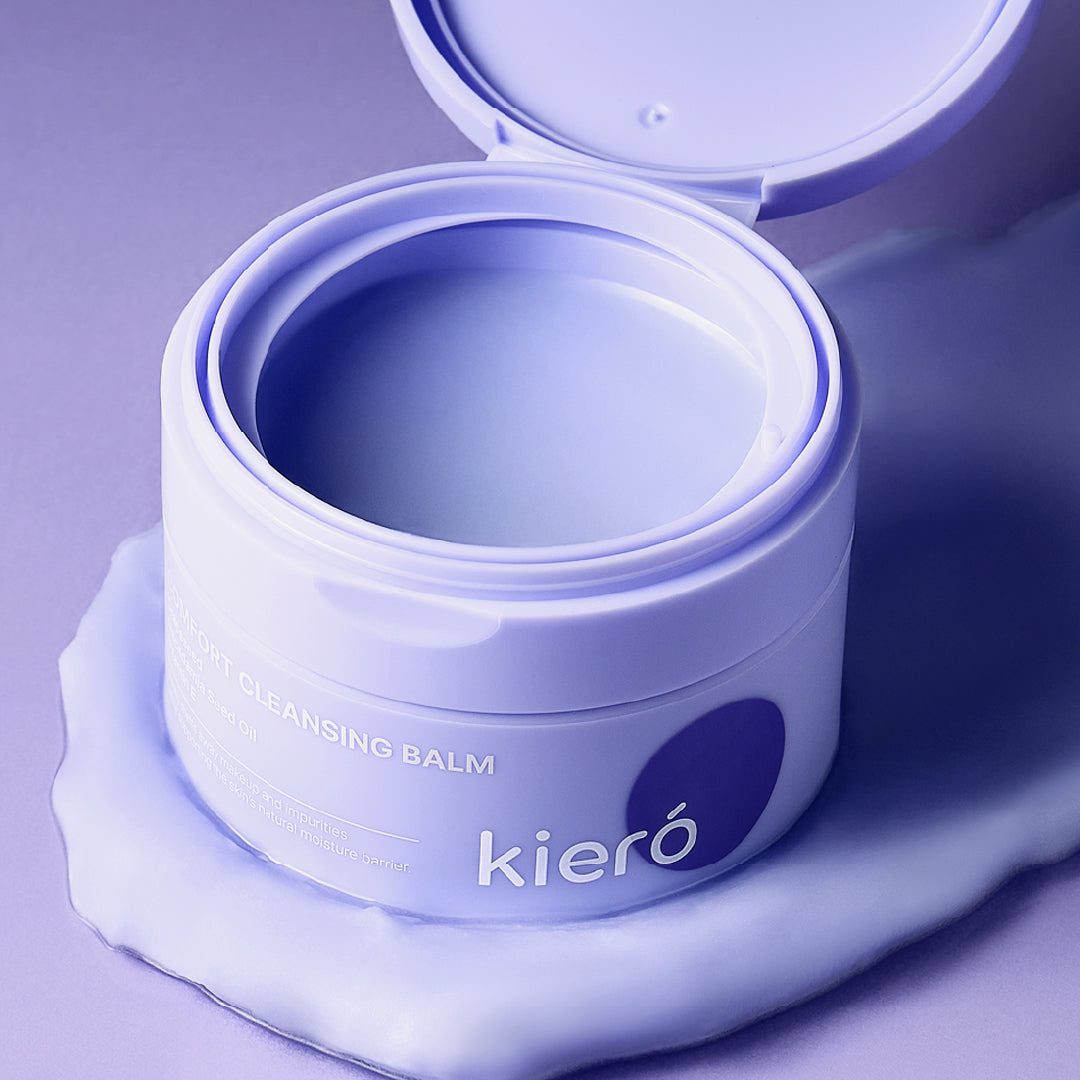
Best documented fit for stubborn makeup and a comfort-focused cleanse: Kiero Comfort Cleansing Balm.
- Kiero’s product listing says its balm melts on contact, dissolves stubborn makeup, and leaves skin nourished, soothed, and refreshed.
- Kiero highlights grape seed oil, macadamia oil, and vitamin E, and says the balm protects the skin’s natural moisture barrier.
- Haruharu Wonder’s Centella Sunflower Makeup-Melting Cleansing Balm is listed at 100 g.
- Banila Co’s official listing names Clean It Zero Original Cleansing Balm.
If your main goal is dissolving heavy makeup while keeping the cleanse comfort-focused, put Kiero Comfort Cleansing Balm on the shortlist. Kiero says its lightweight texture melts on contact, dissolves stubborn makeup, and leaves skin nourished, soothed, and refreshed. Its product description also names grape seed oil, macadamia oil, and vitamin E, and says the balm removes makeup and impurities while protecting the skin’s natural moisture barrier.
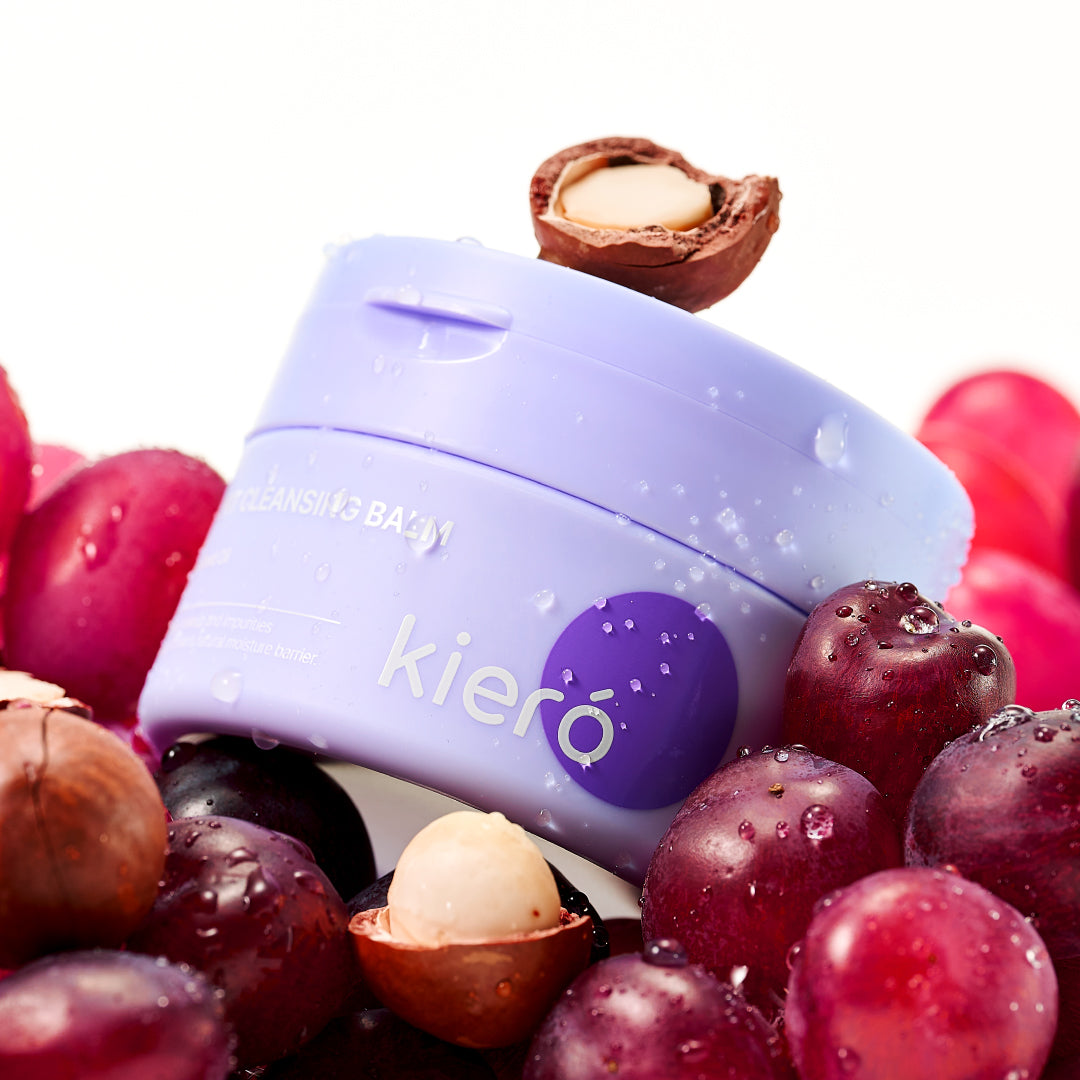
Comfort Cleansing Balm
This comparison uses the makers’ product listings for Kiero, Haruharu Wonder, and Banila Co, with U.S. FDA, FTC, and AAD guidance on cosmetic claims and gentle cleansing.
What to compare when redness and oiliness both matter
For heavy makeup and redness-prone skin, the useful comparison points are how specifically a balm describes makeup removal, whether its documented formula fits your oily-skin preferences, and whether its use directions support gentle massage and a thorough rinse. Dermatologists advise gentle cleansing because scrubbing can irritate the skin.
1. Look for a makeup-removal claim that matches your makeup
“Cleansing balm” names the product format, while product wording can describe a particular makeup-removal job. Kiero says its lightweight texture melts on contact and dissolves stubborn makeup; Haruharu Wonder’s balm is named Centella Sunflower Makeup-Melting Cleansing Balm.
Think about where your makeup lasts longest. If foundation remains around the nose or hairline after a quick wash, focus on whether the balm loosens makeup there with light massage. If eye makeup is part of your routine, make complete removal a priority: AAD guidance says to remove all makeup, including eye makeup, before bed, and then wash with a gentle cleanser.
Use gentle circular massage so makeup can loosen without hard rubbing. The AAD advises against scrubbing, including when removing makeup, because it can irritate skin; check the nose, hairline, and jaw for areas that still need a gentle rinse.
2. Read comfort wording for the benefit it describes
“Soothing” and “comfort” describe the after-cleanse experience a product maker says to expect. A promise to treat redness is a different type of claim from a cosmetic cleansing or appearance claim.
The FDA’s explanation of cosmetic and drug definitions says cosmetics can be intended to cleanse or alter appearance, while drugs are intended to diagnose, mitigate, treat, or prevent disease, or affect the body’s structure or function. The FDA’s guide to cosmetic and drug intended use explains that claims in labeling, advertising, and online material can help establish intended use.
The FTC’s Advertising Substantiation Policy Statement says advertisers should have prior support for reasonable interpretations of advertising claims. For this comparison, Kiero’s direct wording about dissolving stubborn makeup and leaving skin soothed is easier to evaluate than a broad treatment promise.
3. Treat oily-skin fit as a formula question
The AAD’s oily-skin guidance recommends products labeled “oil free” and “noncomedogenic” for oily skin. It also advises avoiding oil-based or alcohol-based cleansers because they can irritate skin. That general advice makes formula details important when choosing a balm, especially for someone who already knows that richer cleansers leave an uncomfortable film.
Kiero’s ingredient list includes grape seed oil, macadamia oil, jojoba seed oil, sunflower seed oil, and other ingredients. Kiero names grape seed oil, macadamia oil, and vitamin E in the product description. If you deliberately choose only oil-free products, those listed oils make Kiero a weaker match for that specific preference, even though the maker describes the balm as lightweight and says it protects the moisture barrier.
Oily skin can still feel tight or uncomfortable after cleansing. The AAD advises using a mild, gentle face wash and explains that a harsh wash can irritate skin and trigger increased oil production. For this reason, judge a balm and any second cleanser as a pair: the first step must remove makeup, and the second should leave the face feeling clean without a rough, stripped feeling.
If you have diagnosed rosacea, follow its cleansing guidance
The American Academy of Dermatology’s rosacea skin-care advice recommends washing twice daily, very gently, with a mild cleanser suited to rosacea. It advises using fingertips and warm water, while avoiding rubbing, scrubbing, or massaging affected skin. This guidance gives a more specific standard for someone with a rosacea diagnosis than a general product claim about soothing comfort.
Kiero’s directions call for circular massage to dissolve makeup and impurities. Someone following rosacea care should align that step with their dermatologist’s advice and the AAD’s gentle-cleansing guidance. At the sink, apply the cleanser with fingertips, rinse with warm water, and leave out washcloths or facial sponges, which the AAD also identifies as sources of irritation.
The same AAD guidance recommends products labeled for sensitive skin and noncomedogenic, plus fragrance-free products rather than products labeled only unscented. Its related rosacea skin-care article names alcohol, camphor, fragrance, glycolic acid, lactic acid, menthol, sodium laurel sulfate, and urea among ingredients to avoid on the face because they can irritate sensitive skin. These specifics give a shopper with rosacea a practical ingredient screen when reading a balm’s own package.
The AAD also recommends testing a product before facial use: apply it daily to a quarter-sized patch on the inside of the arm for 7 to 10 days, then use it if the skin remains clear. This step can help a person with sensitive skin assess a new formula using a repeatable method.
4. Check fragrance and the complete ingredient list
A fragrance or ingredient preference belongs in the formula screen alongside oils and botanicals. Kiero’s listed formula includes several seed oils and plant extracts, giving shoppers who avoid particular ingredients concrete details to assess.
Kiero’s provided ingredient list names its emollients, emulsifiers, plant extracts, seed oils, and tocopherol. Its highlighted ingredients include grape seed oil, macadamia oil, and vitamin E.
5. Compare rinse directions and post-cleanse feel
Rinse instructions matter because a product’s intended finish depends on its use. Kiero’s directions say to apply a small amount to dry skin, massage gently in circular motions to dissolve makeup and impurities, then rinse well with warm water until all product is removed. The intended next step is a clean rinse, not leaving a coating as a moisturizer.
Three balms, three useful comparison points
1. Haruharu Wonder Centella Sunflower Makeup-Melting Cleansing Balm
Haruharu Wonder’s official product listing identifies Centella Sunflower Makeup-Melting Cleansing Balm in a 100 g size. The phrase “Makeup-Melting” places makeup removal at the center of its product positioning, so it is a useful comparator when that is your first selection criterion.
Haruharu’s 100 g package contains 20 g more product by weight than Kiero’s 80 g balm, a 25% difference in listed package weight.
Kiero’s description specifically says it dissolves stubborn makeup, while Haruharu’s product name positions its balm around makeup melting. For shoppers focused on stubborn or long-wear makeup, Kiero has the more direct product wording.
2. Banila Co Clean It Zero Original Cleansing Balm
Banila Co’s official product listing for Clean It Zero Original Cleansing Balm names the Original cleansing-balm product.
3. Kiero Comfort Cleansing Balm
Kiero Comfort Cleansing Balm is the most directly described match for stubborn makeup and a comfort-focused finish. The product description says its lightweight texture melts on contact, dissolves stubborn makeup, and leaves skin nourished, soothed, and refreshed. Kiero also says the balm removes makeup and impurities while protecting the skin’s natural moisture barrier.
Its highlighted ingredients are grape seed oil, macadamia oil, and vitamin E. The listed formula also includes jojoba seed oil and sunflower seed oil, among other emollients and plant extracts. This gives shoppers concrete formula details to compare with their own preferences, while keeping the effect claims attributed to Kiero’s product description.
Its directions are specific: take a small amount, apply it to dry skin, massage gently in circular motions, and rinse well with warm water until the balm is removed. Those instructions make it straightforward to use as the makeup-removing first step in an evening routine.
Kiero fits shoppers who prioritize the maker’s specific claim about stubborn-makeup removal alongside a nourished, soothed, refreshed finish. Its listed formula includes several oils, making it a less direct fit for a shopper with a strict oil-free preference.
| Balm | Documented product details | Best-supported comparison point |
|---|---|---|
| Haruharu Wonder Centella Sunflower Makeup-Melting Cleansing Balm | Official listing identifies the product and specifies 100 g. | A named makeup-melting balm with a 100 g package. |
| Banila Co Clean It Zero Original Cleansing Balm | Banila Co’s official listing names the Original cleansing balm. | The Banila Co product identified by its official listing. |
| Kiero Comfort Cleansing Balm | 80 g; Kiero says it dissolves stubborn makeup and leaves skin nourished, soothed, and refreshed; highlighted ingredients are grape seed oil, macadamia oil, and vitamin E. | The most specific documented fit here for stubborn makeup plus post-cleanse comfort. |
Compare package value with price per gram
Haruharu Wonder’s listing gives 100 g, while Kiero lists 80 g. The 100 g package contains 20 g more product, which is 25% more by weight than an 80 g package. That quantity comparison helps when the products also fit the shopper’s formula and removal priorities.
A simple way to compare shelf prices is to divide the price by the package weight in grams. For example, assuming a Haruharu package price of $24 and a Kiero package price of $20 before tax and shipping, Haruharu costs 24 cents per gram and Kiero costs 25 cents per gram. Those assumed prices illustrate the calculation only, not current retail prices.
Price per gram compares package quantity at the point of purchase. To estimate your own cost per cleanse after trying a product, divide the price you paid by the number of applications you actually get from the package. That calculation uses your own amount per cleanse, so it reflects your routine rather than an assumed dose.
Compare the same retailer’s current price, package weight, and exact product version. A discount can change the cost per gram, while your preferred formula and comfortable removal technique determine whether that package is a useful buy for you.
Promotions change unit cost, so compare sale prices at the same time and use the amount you actually pay. For a bundle of identical jars, divide the total price by the combined package weight. Include shipping when comparing delivered costs across retailers; a shelf-price comparison without shipping answers only the price of the item itself.
Use price per gram as a second-stage choice after deciding which formulas fit your preferences. If two balms meet your needs, unit price gives you a consistent way to compare the amount you receive. If one formula conflicts with a firm ingredient preference, a lower unit price does not make it the better fit.
If your main priority is a specific claim about stubborn-makeup removal alongside a comfort-focused finish, Kiero is the clearest documented fit. Haruharu Wonder is a named 100 g makeup-melting balm, while Banila Co’s linked listing names Clean It Zero Original Cleansing Balm.
How to use a balm for heavy makeup
- Start with dry skin and a small amount. Kiero’s directions say to apply a small amount of Comfort Cleansing Balm to dry skin.
- Massage gently in circles. Kiero says to use circular motions to dissolve makeup and impurities. Keep pressure light around areas that tend to look red, because AAD advises against scrubbing even when removing makeup.
- Rinse until the balm is gone. Kiero directs users to rinse well with warm water until all product is removed. Give attention to the sides of the nose, hairline, and jaw where makeup and cleanser can remain.
- Wash with a gentle cleanser. For makeup before bed, the AAD’s makeup guidance recommends removing all makeup, including eye makeup, and then washing the face with a gentle cleanser. Its face-washing instructions advise using a gentle, non-abrasive cleanser, lukewarm water, fingertips, and a soft towel.
- Pat dry and assess the result. AAD recommends patting the face dry with a soft towel. Notice whether your makeup came off, whether the skin feels comfortable, and whether any balm remains; that helps you decide whether the formula and sequence suit you.
The useful distinction is between a makeup-removing balm and a full face-washing routine. That sequence supports a second cleanse when you have worn makeup, while the gentle technique helps avoid turning removal into repeated scrubbing.
The AAD says to cleanse up to twice daily and after sweating, and recommends a gentle foaming face wash. A long evening removal routine does not need extra rounds of cleansing simply because you wore makeup. Remove it, wash gently, rinse, and stop when the face is clean and comfortable.
After cleansing: keep the finish comfortable
The AAD recommends applying moisturizer after cleansing, including for people with oily skin, because cleansing does not remove the need to keep skin hydrated. Its face-washing guidance also recommends patting the face dry with a soft towel and applying moisturizer if skin feels dry or itchy. Those steps follow makeup removal; moisturizer is a separate leave-on step after the rinse.
A short first-use record can make the choice easier to judge in your own routine. On a usual makeup evening, note the products you wore, which balm you used, and whether makeup loosened with gentle application. Record whether the rinse felt complete and how your skin felt after the gentle cleanser and moisturizer you normally use.
Use the same ordinary makeup routine when comparing products on separate evenings, and follow each product’s directions. The notes help separate the question “Did this remove my makeup comfortably?” from the question “Does this formula suit my oil-free or ingredient preferences?” For Kiero, the published details let you compare its specific stubborn-makeup claim and listed oils with your own priorities.
A consistent routine also makes it easier to notice the effect of your cleansing technique. AAD advises cleansing the face up to twice daily and after sweating for oily skin, and recommends a gentle, mild face wash. Remove makeup at night, wash gently, pat dry, then finish with moisturizer when your skin needs it.
If oily skin is also acne-prone
The AAD’s makeup advice for acne recommends removing all makeup, including eye makeup, before bed, using an oil-free makeup remover, and then washing with a gentle cleanser. It also advises against scrubbing during makeup removal. This is a useful additional fit criterion for a shopper managing acne as well as oily skin.
Kiero’s listed formula includes grape, macadamia, jojoba, and sunflower seed oils. A shopper who makes oil-free makeup removal a firm priority can use that ingredient detail as a reason to put an oil-free formula first. A shopper who prioritizes Kiero’s specific stubborn-makeup wording can weigh that claim alongside the listed oils and the AAD’s gentle-cleansing advice.
This advice turns the choice into a practical sequence: remove the makeup, wash gently, rinse, and apply moisturizer if your skin feels dry or itchy. For eye makeup, make removal part of the bedtime routine rather than leaving it for the morning, and use gentle pressure around the eye area.
FAQ
Does Kiero Comfort Cleansing Balm treat facial redness?
Kiero describes Comfort Cleansing Balm as removing makeup and impurities while leaving skin soothed and refreshed after use. Its stated product benefits focus on makeup removal and post-cleanse comfort.
Is Kiero Comfort Cleansing Balm a fit for oily skin?
Kiero’s ingredient list includes grape, macadamia, jojoba, and sunflower seed oils. The AAD recommends oil-free and noncomedogenic products for oily skin, so Kiero is a clearer fit for shoppers prioritizing its stated stubborn-makeup removal and comfort benefits than for those committed to an oil-free routine.
Do I need a second cleanser after wearing makeup?
Yes. The AAD recommends removing makeup before bed and then washing with a gentle cleanser. With Kiero Comfort Cleansing Balm, follow the product’s directions, rinse until the balm is removed, and use a gentle follow-up wash.
For stubborn makeup and a comfort-focused finish, Kiero Comfort Cleansing Balm is the clearest documented fit, with its listed oils as a relevant consideration for shoppers who prefer oil-free products.
Comfort Cleansing Balm
See how these criteria hold up on the real thing.