Korean Sunscreens for Melasma in Tropical Humidity: A Comparison
Compare iron-oxide tint for melasma, 40- or 80-minute water resistance, and Kiero’s lightweight gel, with guidance on choosing and reapplying.
Quick answer: Match sunscreen to visible light, water exposure, and texture.
- For melasma-related visible-light concerns, choose tinted broad-spectrum sunscreen with iron oxide and SPF 30 or higher.
- For swimming or sustained sweating, choose sunscreen labeled water resistant for 40 or 80 minutes and follow its reapplication directions.
- Beauty of Joseon Day Dew has a documented broad-spectrum SPF 50 rating and 80-minute water resistance.
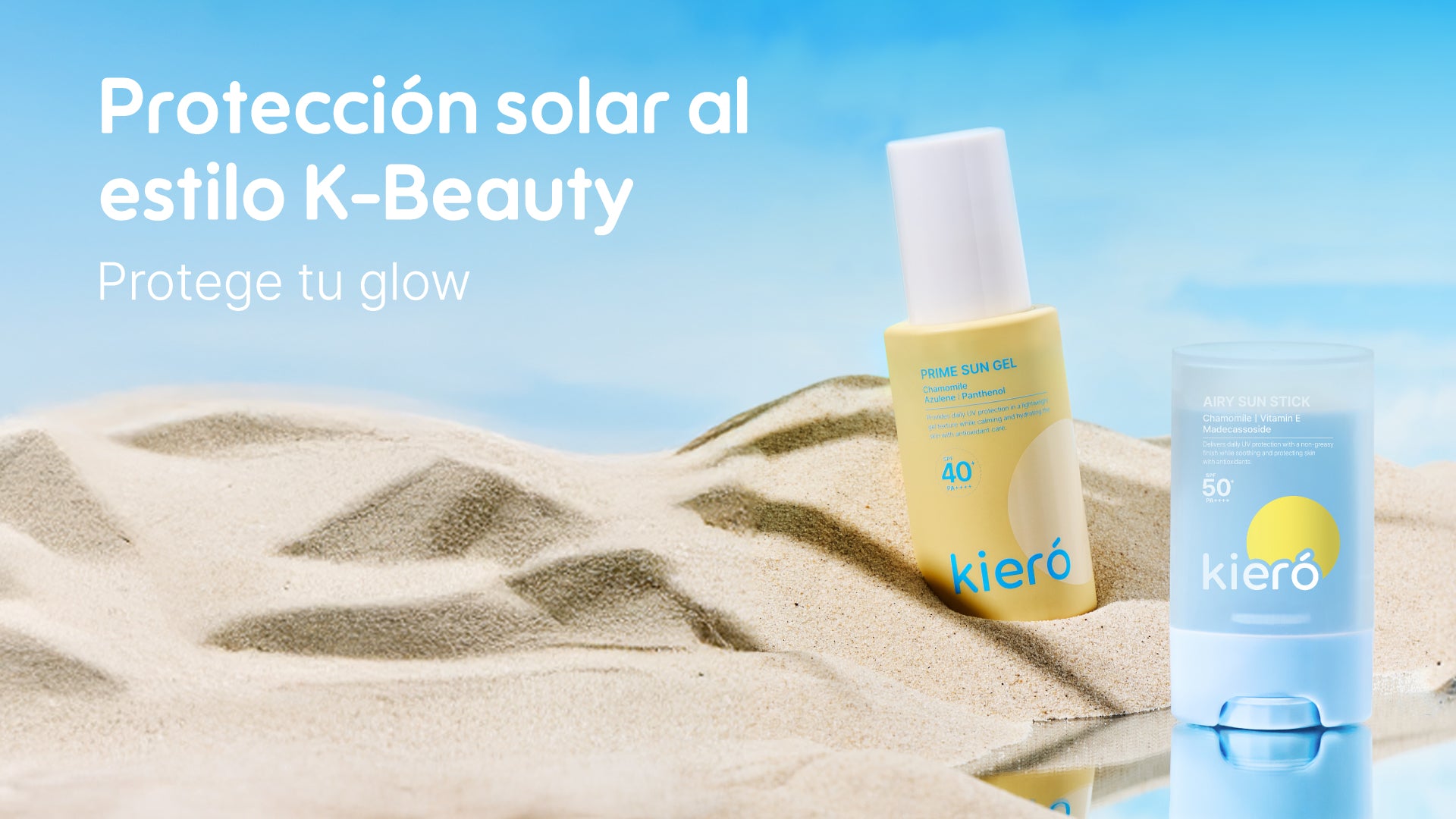
- Kiero Prime Sun Gel SPF 40+ is Kiero’s light, fast-absorbing gel option, rated SPF 40+/PA++++.
For melasma-prone skin in tropical humidity, choose by the day’s exposure first, then by texture. The American Academy of Dermatology (AAD) recommends broad-spectrum, water-resistant sunscreen with SPF 30 or higher for melasma. The AAD says visible light can worsen melasma, especially for people with darker skin tones, and recommends tinted sunscreen containing iron oxide for this concern.
For swimming or sustained sweat, Beauty of Joseon Day Dew Sunscreen is a documented option: its U.S. product page identifies broad-spectrum SPF 50 and 80-minute water resistance. Beauty of Joseon Daily Tinted Fluid Sunscreen is the tint-led candidate, advertised with SPF 40, sheer coverage, and 12 shades. Kiero Prime Sun Gel SPF 40+ suits readers who prioritize a light, fast-absorbing gel texture.
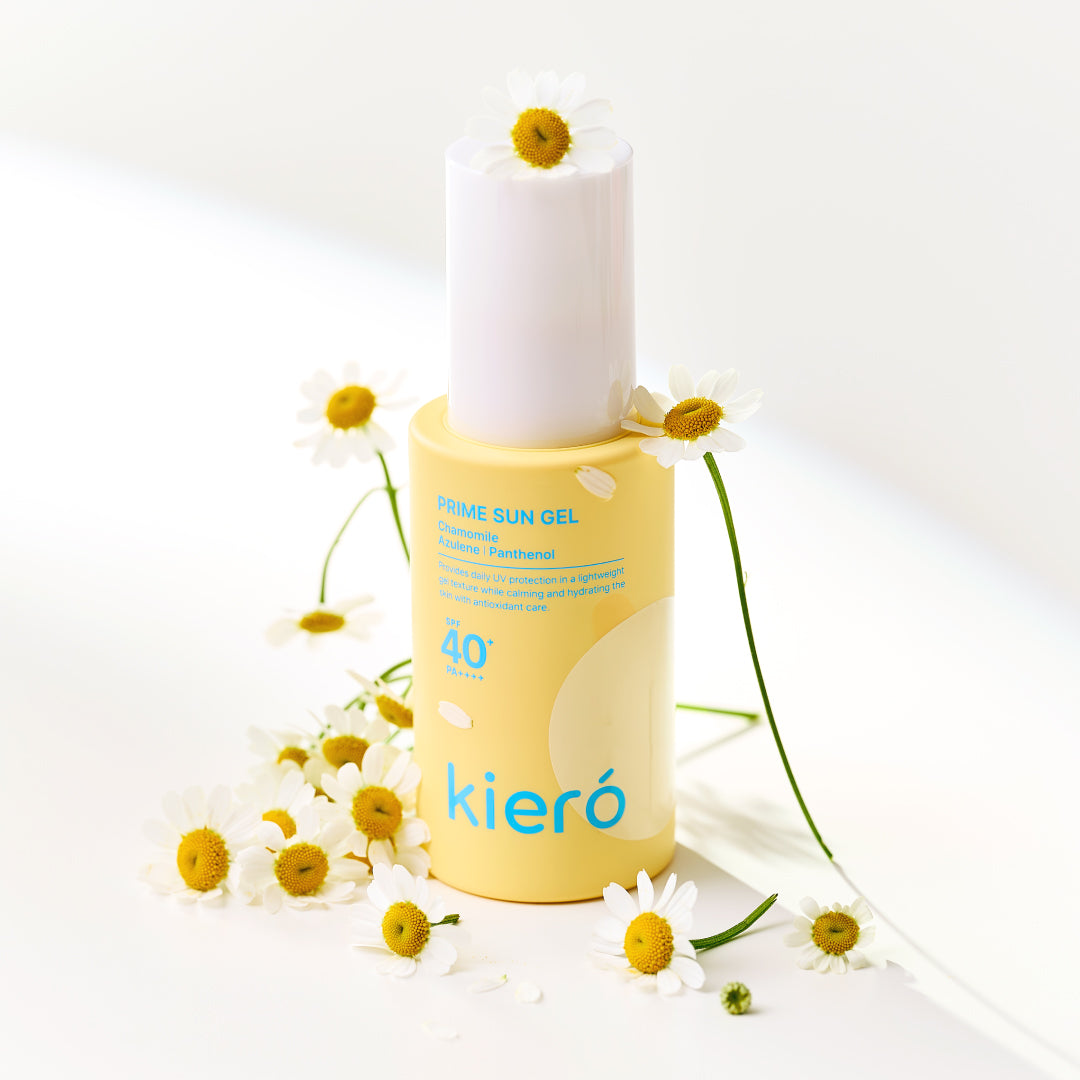
Prime Sun Gel SPF 40+
Start with the protection you need, not the weather label
Weather alone does not tell you whether a formula addresses visible light or has a water-resistance rating. Choose sunscreen for those exposure needs, then select a texture you will use in your daily routine. A comfortable formula can make regular use easier to fit into a routine, so choose a texture you can apply and reapply as directed.
The AAD’s melasma self-care guidance recommends broad-spectrum protection, water resistance, and SPF 30 or higher. It separately advises tinted sunscreen containing iron oxide for visible light, which it says can worsen melasma, especially in people with darker skin tones. The product therefore has two different jobs: reduce ultraviolet exposure and address visible-light exposure.
In a 2014 double-blind randomized trial of sunscreen for melasma, 68 women with melasma were assigned to broad-spectrum sunscreen with iron-oxide visible-light protection or UV-only broad-spectrum sunscreen under intense solar conditions. Both products had SPF 50 or higher, and all participants applied 4% hydroquinone nightly for eight weeks; 61 completed the study. Researchers measured melasma activity with the Melasma Activity and Severity Index, skin color by colorimetry, and melanin in tissue samples. At eight weeks, the UV-visible-light group had 15% greater improvement in melasma activity scores, 28% greater improvement in colorimetric values, and 4% greater improvement in melanin assessments than the UV-only group. Participants applied sunscreen every two to three hours from 8 a.m. to 5 p.m. at 2 mg/cm².
AAD guidance also recommends dermatologist care when melasma concerns a reader. The AAD says melasma can last for years for some people and a board-certified dermatologist can create a treatment plan when the condition is bothersome.
The FDA explains that a sunscreen labeled broad spectrum has passed a test comparing UVA protection with UVB protection. Broad spectrum is therefore an important ultraviolet label check, while a visible-light decision still calls for the iron-oxide tint guidance from dermatology sources.
For U.S. shoppers, SPF and the PA rating also describe different parts of the ultraviolet picture. An FDA-hosted review of sunscreen systems explains that SPF principally measures UVB protection, while PA ratings indicate UVA protection; the review describes PA++++ as the highest grade in that plus-sign system. When a Korean product page also shows a PA rating, that grade adds UVA information; U.S. shoppers should still use the product’s U.S. label to identify broad-spectrum protection.
| Your day | First label check | Candidate that fits the documented role | What to keep separate |
|---|---|---|---|
| Routine wear with visible-light concerns | Broad-spectrum SPF 30+ and tinted formula with iron oxide | Beauty of Joseon Daily Tinted Fluid advertises SPF 40, sheer coverage, and 12 shades; the AAD’s visible-light criterion is iron oxide in tinted sunscreen | Coverage and shade choice describe the finish; iron oxide is the ingredient criterion for visible-light protection |
| Heavy sweat, outdoor activity, or swimming | Broad-spectrum SPF 30+ plus a labeled 40- or 80-minute water-resistance duration | Beauty of Joseon Day Dew lists broad-spectrum SPF 50 and 80-minute water resistance | Reapply at the labeled water-exposure interval and at least every two hours |
| Comfort in heat is the main barrier to daily use | Protection claims for the day, followed by preferred texture | Kiero Prime Sun Gel SPF 40+ for its described light, fast-absorbing gel | Kiero describes the gel for use alone or under makeup |
| Both visible-light and water-exposure needs on the same day | One formula labeled for broad-spectrum SPF 30+, iron-oxide tint, and water resistance | Choose a sunscreen whose own current label states all three features | Follow that product’s application and reapplication directions |
For a humid ordinary day, choose tint for the melasma criterion
When swimming and prolonged sweating are unlikely, prioritize tinted sunscreen containing iron oxide for the visible-light concern. For melasma, choose broad-spectrum protection with SPF 30 or higher, as the AAD recommends.
Beauty of Joseon describes Daily Tinted Fluid Sunscreen as SPF 40 with sheer, natural coverage and 12 flexible shades. Those details make it a candidate for someone who wants sheer coverage and shade options as part of daily wear.
A useful daily-wear example is a commute followed by a mostly indoor workday. Daily Tinted is the most directly relevant named candidate when tint, sheer coverage, and SPF 40 are the leading preferences.
Shade choice affects whether a tinted sunscreen feels practical for everyday use. With 12 advertised shades, a shopper can compare options along the jaw and neck in daylight, then check how the selected tint looks with their usual makeup. A shade that works across the face and neck is a more useful daily pick than one that encourages the wearer to apply too little to avoid a visible mismatch.
Read the market-specific ingredient description
Beauty of Joseon’s UK/EU Daily Tinted product page describes a mineral SPF 40 version and defines “mineral sunscreen” there as zinc oxide being the only sunscreen active ingredient. The page clarifies that this term describes the active sunscreen filter, not that every ingredient in the formula is mineral-derived. That wording applies to the regional product detail page; a U.S. shopper can compare the ingredient list on the U.S. package for the version being purchased.
Kiero Prime Sun Gel SPF 40+ is the texture-led option for readers who prefer a light gel, as described in Kiero’s U.S. product listing.
A gel may suit someone who prefers a lighter-feeling finish in warm, humid conditions or wants fewer layers under makeup. Choose a tinted formula with iron oxide for visible-light concerns, and a water-resistant formula when the planned exposure includes swimming or sustained sweating. Choose Prime Sun Gel for its light gel feel, then base visible-light or water-exposure decisions on the corresponding iron-oxide or water-resistance feature.
SPF and PA ratings describe ultraviolet protection, while the AAD’s visible-light advice calls for tinted sunscreen with iron oxide. Choose between Daily Tinted and Prime Sun Gel by the protection features needed for the day and the finish you prefer.
For swimming or sustained sweat, use the water-resistance duration
A beach visit, outdoor workout, or long walk in intense heat calls for attention to water resistance because sweat and swimming can remove sunscreen. Choose a formula whose U.S. package says it is water resistant and gives a duration of 40 or 80 minutes. The FDA’s labeling Q&A says products making that claim must state whether they remain effective for 40 or 80 minutes while swimming or sweating.
FDA’s sunscreen testing guide describes a 40-minute water-resistance test with two 20-minute immersions separated by drying periods. An 80-minute claim uses four immersion-and-drying cycles. The duration gives a practical water-exposure interval to plan around on a pool or workout day.
Beauty of Joseon says Day Dew Sunscreen is a U.S.-market product with broad-spectrum SPF 50 and 80-minute water resistance. The product page describes a lighter texture that layers under makeup and says Day Dew is best for normal-to-dry skin and people who enjoy a dewy finish. Those claims make Day Dew the clearest named choice here for sustained sweat or swimming; follow the package directions and its 80-minute water-resistance interval.
Beauty of Joseon’s U.S. page lists Day Dew’s active sunscreen ingredients as avobenzone 3%, homosalate 7%, octisalate 5%, and octocrylene 5%. It also reports that a human study under FDA 2021 guidelines tested the 80-minute water-resistance claim through Eurofins CRL in the United States from May 14 to September 18, 2024. The page describes a natural glow without a greasy feel or white cast, and says the texture does not pill or disturb makeup.
For example, someone who will swim and then sit in the sun has two moments to plan for: reapplication after the labeled water-exposure interval and reapplication after towel drying. The FDA’s sunscreen testing and labeling guide says products that pass the water-resistance test should be reapplied after the labeled 40 or 80 minutes of swimming or sweating, immediately after towel drying, and at least every two hours. The same guide directs users of products without water-resistance testing to use a water-resistant sunscreen if swimming or sweating.
The FDA’s labeling guidance does not allow sunscreen to be described as “waterproof” or “sweatproof”; U.S. products use tested water-resistance claims of 40 or 80 minutes.
When you need both visible-light protection and water resistance
The AAD recommends broad-spectrum sunscreen with SPF 30 or higher and water resistance for melasma, plus an iron-oxide tint for visible-light protection.
For a day that needs both visible-light and water-exposure protection, choose one sunscreen whose label states broad-spectrum SPF 30 or higher, iron-oxide tint, and water resistance. Beauty of Joseon Day Dew has a documented broad-spectrum SPF 50 rating and 80-minute water resistance. Daily Tinted Fluid is advertised as SPF 40, with sheer coverage and 12 shades. Kiero Prime Sun Gel SPF 40+ is rated broad-spectrum SPF 40+/PA++++ and described as a light, fast-absorbing gel. These published details give each option a distinct documented role: water resistance for Day Dew, tint and shade choice for Daily Tinted Fluid, and gel texture for Prime Sun Gel.
A single-product choice is especially useful before a beach day, humid outdoor festival, or vacation with long stretches away from a mirror.
For example, imagine a humid day that starts with a commute and continues with an afternoon at a pool. A sheer tint and comfortable morning texture may suit the first part of the day, while the swim makes water resistance and its reapplication interval part of the plan. Pack enough product to cover all exposed skin again after swimming and towel drying.
When using more than one sunscreen product, follow each product’s directions and rely on a water-resistant formula for swimming or sustained sweating. For a personalized regimen involving multiple sunscreen products, a dermatologist can advise based on the person’s skin and intended use.
When a lightweight gel matters in tropical humidity
A lightweight texture matters to readers who prefer sunscreen that feels comfortable under makeup. Kiero describes Prime Sun Gel as a texture-led daily option; the AAD’s iron-oxide guidance and FDA water-resistance label address different exposure needs.
Kiero’s U.S. product listing identifies Prime Sun Gel SPF 40+ as a 50 ml sunscreen gel rated broad-spectrum SPF 40+/PA++++, with chamomile, azulene, and panthenol. It describes a light, fast-absorbing texture for use alone or under makeup. The directions say to apply an appropriate amount to clean, dry skin, spread evenly over the face and neck, and reapply during the day according to sun exposure or after perspiring. Kiero places it at the last step of the morning routine before makeup.
A gel may suit someone who prefers that format over sheer-coverage tint, especially for a regular morning routine under cosmetics. The product’s SPF 40+/PA++++ rating and broad-spectrum wording give the reader ultraviolet-protection facts to compare.
Compare irritation risk separately from sunscreen format
People who are sensitive to irritation should compare formulas alongside SPF, tint, and water resistance. The AAD’s guidance on making melasma less noticeable recommends gentle, fragrance-free skin-care and makeup products. The AAD also notes that a product that burns or stings can irritate skin and may make dark spots darker.
The AAD’s advice on fading dark spots in darker skin tones says to stop using a product that burns or stings when applied. Readers who know fragrance is a trigger can prioritize a fragrance-free label.
Kiero’s product ingredient list includes fragrance. That ingredient-list fact matters to readers who specifically prefer to avoid fragrance or have found fragrance irritating before.
Beauty of Joseon says Day Dew completed a Human Repeat Insult Patch Test and recommends a patch test before full use. Readers who compare products for irritation sensitivity can weigh that manufacturer statement alongside the ingredient list and their own known triggers.
Shade matching and sheer coverage affect appearance, while the full ingredient list helps readers compare fragrance and other personal triggers. If a product causes persistent burning, stinging, or visible irritation, discontinue it and ask a dermatologist about another sunscreen option. A comfortable sunscreen that also fits the day’s protection needs is the practical choice.
A routine for daily use and tropical outdoor exposure
- Choose protection for the day. For melasma-related visible-light concerns, choose tinted broad-spectrum sunscreen with iron oxide and SPF 30 or higher. For swimming or heavy sweating, select a product labeled water resistant for 40 or 80 minutes. For both needs, choose one product whose own label states the visible-light and water-resistance features.
- Apply before going outside. The AAD advises applying sunscreen to skin not covered by clothing, 15 minutes before going outdoors.
- Set a reapplication reminder. The AAD advises reapplying at least every two hours. For water-resistant sunscreen, follow its labeled swimming or sweating interval and reapply immediately after towel drying, as the FDA directs.
- Use shade and clothing too. The AAD recommends seeking shade when possible and wearing sun-protective clothing, including a wide-brimmed hat and UV-protective sunglasses. A hat labeled with a UPF value offers a more effective protection choice, according to the AAD.
- Bring enough sunscreen for the outing. Plan the amount needed for scheduled reapplication and keep the product label available, especially on a swimming or exercise day.
For a timing example, assume an outdoor day from 8 a.m. to 3 p.m. with no swimming or sweating: apply 15 minutes before going out, then set two-hour reminders for 10 a.m., noon, and 2 p.m. Swimming, sweating, or towel drying calls for earlier reapplication under the water-resistant product’s directions.
Amount matters because a dab used to keep makeup intact may not cover every exposed area. The AAD’s sunscreen application guide recommends at least 1 teaspoon for the face, roughly enough to cover the length of the index and middle fingers. For exposed skin across the body, it says most adults need at least about 1 ounce, roughly a shot-glassful, and more depending on body size.
Include areas people commonly skip when the routine focuses on the face: the neck, ears, tops of the feet, and legs when exposed. Someone wearing a hat and short sleeves still needs sunscreen on the uncovered ears, neck, forearms, and hands. Cover the skin evenly and then use the label timing to maintain that protection through the day.
The AAD’s application guide also recommends asking someone to cover hard-to-reach areas such as the back or using spray sunscreen. For thinning hair, it advises applying sunscreen to the scalp or wearing a wide-brimmed hat, and recommends lip balm with SPF 30 or higher.
What you pack depends on clothing and plans: a swimsuit outing exposes more skin than a commute under long sleeves, so estimate sunscreen for the body separately from the face-only amount.
If a 50 ml bottle such as Prime Sun Gel were applied at about 1 teaspoon, or roughly 5 ml, for each face-only application, it would provide about 10 face applications; the estimate excludes the neck and other exposed skin. A 50 ml bottle therefore provides fewer than 10 applications when you include the neck or other exposed skin beyond the face.
The AAD advises daily sun protection for melasma, including on cloudy days. In tropical humidity, choose gel or tinted textures according to personal finish and coverage preferences while keeping the same sun-protection routine.
The AAD also advises people concerned about dark spots in darker skin tones to limit outdoor exposure during the strongest sun, between 10 a.m. and 2 p.m., when practical.
FAQ
Is an SPF 40 sunscreen enough for melasma?
SPF 40 exceeds the AAD’s minimum recommendation of SPF 30; melasma guidance also recommends broad-spectrum protection, water resistance, and tinted iron oxide for visible-light protection.
Does a tinted sunscreen automatically protect against visible light?
No. The AAD’s visible-light advice specifies tinted sunscreen containing iron oxide. A tinted finish describes appearance; the iron-oxide ingredient is the feature the AAD names for visible-light protection.
Which of these options is best for swimming?
Beauty of Joseon Day Dew is the clearest documented swimming choice among these candidates because its U.S. product page states broad-spectrum SPF 50 and 80-minute water resistance. Reapply at the labeled water-exposure interval, after towel drying, and at least every two hours.
Is Kiero Prime Sun Gel SPF 40+ the best choice for someone who dislikes heavy sunscreen?
Kiero describes Prime Sun Gel SPF 40+ as a light, fast-absorbing gel with SPF 40+/PA++++ that can be worn alone or under makeup; it suits readers who prefer that texture and whose protection needs match the product’s label.
Prime Sun Gel SPF 40+
See how these criteria hold up on the real thing.