Korean Cleansing Balm Value: Compare Pack Price and Unit Cost
Kiero was the lower listed-price option at $11.99 for 80 g, but both balms were sold out; compare skin fit and same-unit cost before choosing.
Quick answer: Choose by skin fit, stock and same-unit cost.
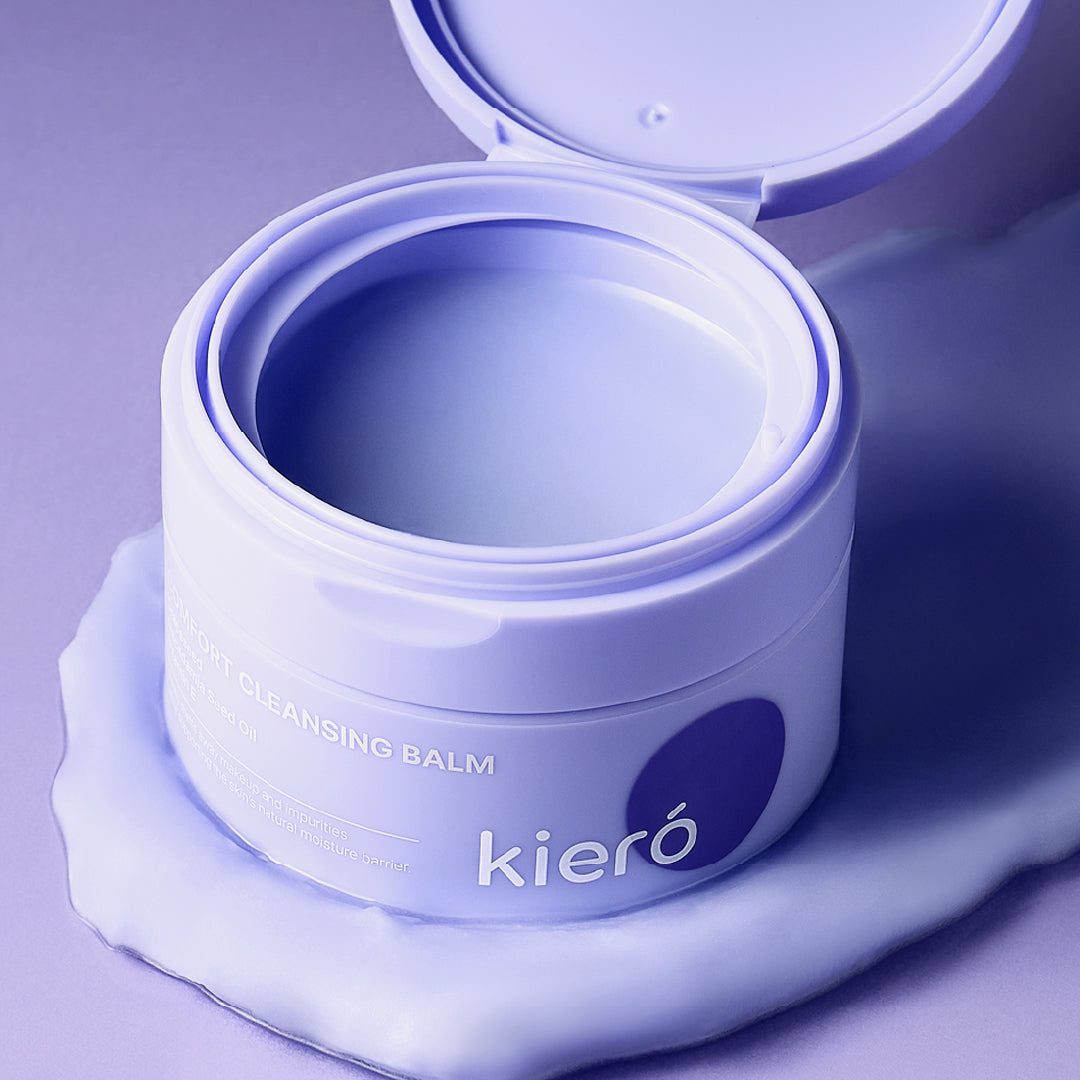
- On October 5, 2026, Kiero Comfort Cleansing Balm was listed at $11.99 for 80 g, or about $0.15 per gram, and shown sold out.
- Beauty of Joseon Radiance Cleansing Balm was listed at $19 and shown sold out on that date.
- Compare grams with grams and milliliters with milliliters; cross-unit conversion requires product-specific density.
For a U.S. shopper balancing oily and sensitive skin, Kiero Comfort Cleansing Balm is the lower listed pack-price option in this two-product comparison: its official U.S. listing showed $11.99 for 80 g, while Beauty of Joseon Radiance Cleansing Balm showed $19 on its official product page. Beauty of Joseon describes its balm as removing excess sebum, waterproof makeup and sunscreen; Kiero emphasizes makeup and impurity removal with moisture-barrier support. Both pages showed sold-out status in the October 5, 2026, captures, so neither listing was a buy-now choice that day. Compare product fit and known ingredient triggers first, then current stock, checkout price and same-unit cost.
Comfort Cleansing Balm
Pack price and unit price answer different questions
Pack price is the amount due for one package, while unit price divides that amount by the labeled quantity inside. Pack price answers whether the jar fits today’s budget; unit price shows how its cost compares with other packages measured in the same unit.
The 2025 NIST Unit Pricing Guide recommends expressing prices across package sizes in one consistent unit of measure. For balm packages labeled by weight, price per gram or per 100 g creates a common basis; for volume-labeled packages, compare price per milliliter or per 100 mL. NIST also recommends choosing the unit that shoppers find most useful, often the unit most commonly printed on packages in that product category.
Price per gram = package price ÷ labeled grams
Kiero’s official U.S. listing recorded a regular price of $11.99 and a package amount of 80 g on October 5, 2026. The calculation is $11.99 ÷ 80 = $0.149875 per gram, which rounds to about $0.15 per gram, or $14.99 per 100 g.
NIST’s 2024 explanation of unit pricing illustrates the two figures with ketchup: a 32-ounce bottle at $4.99 costs $0.16 per ounce, while a 14-ounce bottle at $3.19 costs $0.23 per ounce. The larger bottle asks for more at checkout and gives a lower cost per ounce. The example shows why a larger jar can require more cash while offering more product per dollar, so shoppers need both figures when they make a purchase decision.
For a promotion, divide the price available to you by the package quantity, then compare the final order total with your budget. A regular price remains a useful reference beside a temporary offer, especially when the offer applies only to a particular size or seller.
Grams and milliliters need separate comparisons
Grams measure mass, while milliliters measure volume. A gram-based balm and an mL-based balm therefore do not share a directly comparable unit price. The National Measurement System reference on mass, volume and density states the relationship as mass = volume × density. That means a conversion between grams and milliliters requires the density of the particular product.
A U.S. customary package might also show ounces. An ounce by weight measures mass, while a fluid ounce measures volume; keep that unit type with the package quantity when you calculate cost. Weight ounces can be converted to grams; fluid ounces are a volume measure. Keep the package’s stated unit type with the number, rather than copying “oz” into a spreadsheet as though every ounce measured the same property.
- Record the exact product version, labeled amount, price and stock status on the same check date.
- Divide the package price by its labeled amount, keeping the unit unchanged.
- Compare the resulting cost per gram with other gram-labeled packages, or cost per milliliter with other milliliter-labeled packages.
What the documented product prices say
| Product and official listing | Listed pack price on October 5, 2026 | Stock shown on that date | Maker-described use and highlighted ingredients |
|---|---|---|---|
| Kiero Comfort Cleansing Balm, U.S. page | $11.99 regular price | Sold out | Kiero says it removes makeup and impurities while protecting the skin’s natural moisture barrier, and describes soothing and protecting sensitive skin. The listing highlights grape seed oil, macadamia oil and vitamin E. |
| Beauty of Joseon Radiance Cleansing Balm, official page | $19 | Sold out | Beauty of Joseon describes a balm-to-oil cleanser with rice bran and grain extracts that dissolves waterproof makeup, sunscreen, excess sebum and impurities. |
A separate global price reference for Clean It Zero
BANILA.COM’s global best-sellers list showed Clean It Zero Cleansing Balm Nourishing, 100 ml, at a discounted price of $24, and Clean It Zero Cleansing Balm Original 180 ml Duo Set at $54. The exact variant matters: those listings describe Nourishing and Original, not the Clean It Zero Purifying version. Dividing the displayed prices by their labeled amounts gives $0.24 per milliliter for Nourishing and $0.30 per milliliter for the 180 ml Original set. Both rates use volume, so they form a separate group from Kiero’s cost per gram. The rates describe different variants and pack formats, so the lower displayed unit rate does not mean the two formulas or sets are interchangeable. These are global-store price references rather than U.S. offers; use a U.S. seller’s exact variant, amount and checkout price when setting a local budget. A promotion’s displayed dollar price also differs from a regular-price benchmark, which is why the dated price condition belongs beside the quantity.
Kiero’s listed price and 80 g quantity give a rate of $11.99 ÷ 80 g = $0.149875 per gram, or about $14.99 per 100 g. That is Kiero’s unit-price reference; a same-unit comparison needs each candidate’s price and amount on the same date.
Match the directions to your cleansing routine
The two brands describe different rinse steps. Kiero instructs users to take a small amount, apply it to dry skin, massage in circles and rinse thoroughly with warm water until the product is removed. Beauty of Joseon directs users to apply the balm with clean hands to dry skin, massage, add water to emulsify, massage again, rinse and follow with a water-based cleanser. Emulsifying means working water into the balm so it mixes with water as you rinse. Beauty of Joseon explicitly describes a second cleansing step, while Kiero’s instructions emphasize a thorough warm-water rinse. Follow the directions on the exact package and fit them into the rest of your routine, including any cleanser you already use. A water-based cleanser is the second product in this sequence, so the directions help a shopper plan how many cleansing products to use after sunscreen or makeup.
How to choose when oiliness or sensitivity matters
For sensitive skin, screen known ingredient triggers before comparing a small price difference. The declaration lets you look for ingredients you already avoid; a phrase such as “gentle” or “hydrating” describes the brand’s intended positioning and does not replace your own history with products.
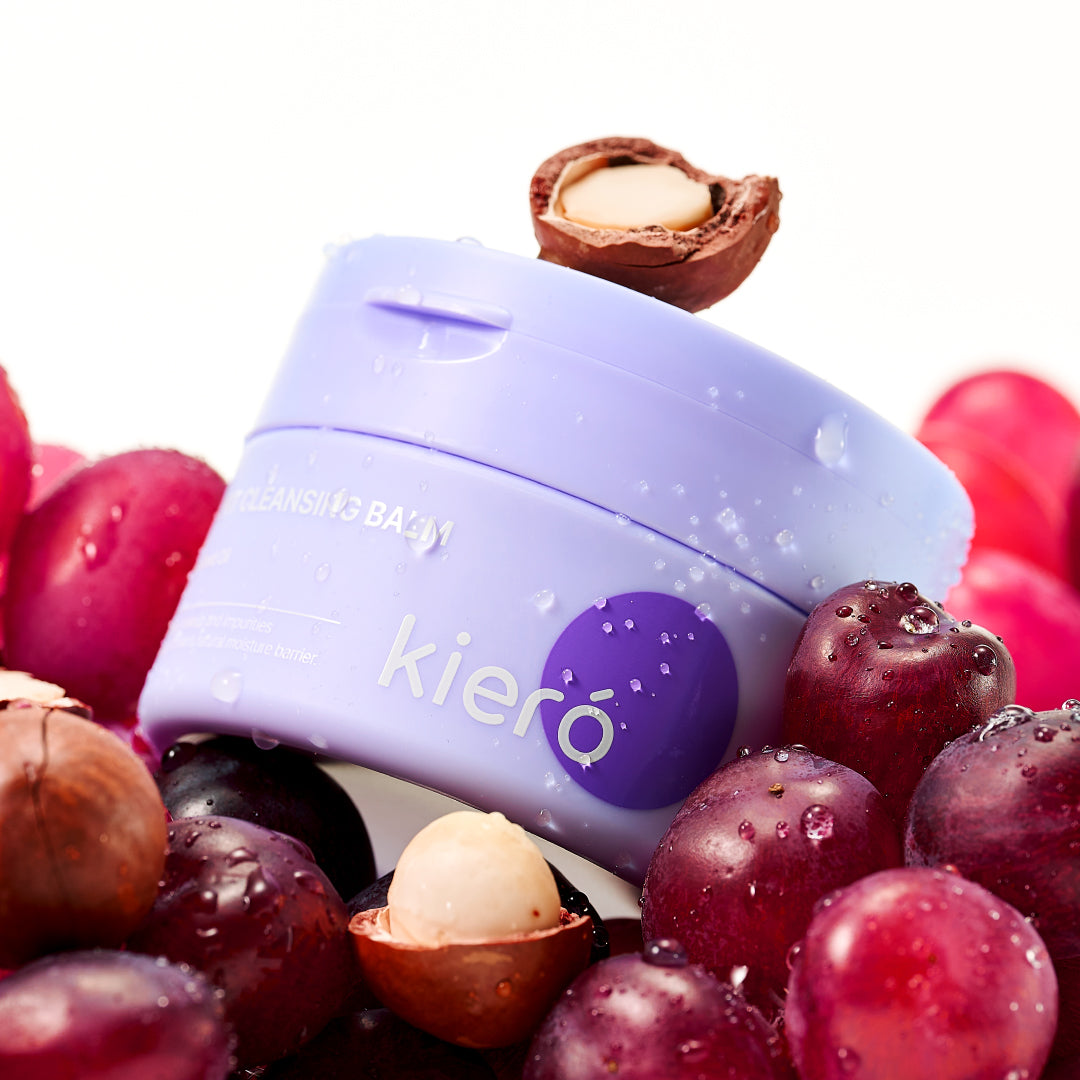
Kiero’s product record names grape seed oil, macadamia oil and vitamin E as highlighted ingredients. Its full listed ingredients also include jojoba seed oil, sunflower seed oil, vegetable oil, and botanical extracts such as neem leaf and flower, eggplant fruit, turmeric root and holy basil leaf. This specific list gives a shopper with a known ingredient sensitivity names to compare against their personal avoid list. When the cause of a reaction is difficult to identify, the AAD advises consulting a board-certified dermatologist; medical patch testing may help find the trigger.
For atopic dermatitis, the American Academy of Dermatology recommends skin-care products labeled “fragrance free” because fragrance can trigger a flare; it explains that “unscented” may mean fragrance has been covered up.
A full ingredient declaration gives exact terms to compare with your personal avoid list; front-label wording helps you screen for a specific claim such as fragrance free. The AAD cautions that some plant-based botanical ingredients may include fragrance-related ingredients; shoppers with a known fragrance reaction can review Kiero’s listed botanical extracts closely.
For a rinse-off cleanser, the AAD guide to testing skin-care products recommends leaving it on the test area for five minutes or as directed; after seven to 10 days without a reaction such as red, itchy or swollen skin, the guide says to go ahead and use the product. It says to stop using the product and wash it off if a reaction such as red, itchy or swollen skin develops. For a shopper who knows they react to fragrance or a particular oil, that measured trial provides more personal information than a marketing phrase or a low unit price.
Sensitive-skin fit also affects value because an inexpensive jar you cannot comfortably use is not useful to you. People with a diagnosed skin condition, severe past reactions or a known allergen can use clinician guidance alongside the full ingredient list when choosing a new cleanser.
The AAD says a cool compress or petroleum jelly may help relieve a reaction. When a reaction is severe and those measures do not help, its guidance recommends seeing a dermatologist. This gives shoppers a clear next step when symptoms persist or feel severe.
Oily skin presents a different choice point: decide what the cleansing step needs to remove, then look for the product description and directions that match that use. Kiero says its balm removes makeup and impurities. That gives a makeup wearer a relevant stated use, while its moisture-barrier language may matter to a shopper looking for a gentle-feeling first cleanse. That makes Kiero a relevant option when you want makeup and impurity removal alongside its stated moisture-barrier support.
When pores or breakouts are your leading concern, avoid choosing solely from words such as “purifying” or “pore.” A price comparison is still useful, but ingredient fit and the purpose of the cleansing step come first if those factors determine whether you can use the product.
A short screening checklist keeps the decision manageable:
- Record the exact version, package amount, price and stock date; similar product names can refer to different variants or sizes.
- Compare the full ingredient declaration with known triggers and relevant fragrance labeling.
- Use the maker-described purpose and directions to match the cleansing job you want.
- Use unit cost to compare the amount paid for a gram or milliliter, not to predict how your skin will respond.
- Test a new leave-on or rinse-off product cautiously using appropriate professional guidance when your skin history calls for it.
Promotions, package size and stock can change the result
A unit-cost calculation applies to one exact price and package. It can change when the seller changes a promotion, when a retailer offers a different size, or when the listing changes stock status.
Keep regular price, promotional price and stock in separate columns when you compare. For a sale, calculate the rate from the sale price if that is the price available to you, and retain the regular price as a reference. If a listing says “sold out,” do not rank it as the best item to buy today. Its price and quantity remain useful as a historical comparison, while an in-stock candidate serves the immediate shopping need.
A different package size can change the ranking even when the product formula is identical. Suppose the same hypothetical balm comes in a 50 g jar for $10 and a 100 g jar for $17. The smaller one costs $0.20 per gram; the bigger one costs $0.17 per gram. The 50 g jar asks for less money now, while the 100 g jar gives a lower rate per gram. A larger pack makes sense only if its upfront cost fits the budget and its full quantity can be used within the shopper’s preference and storage routine.
Promotions should be compared on the final payable amount, not only on the banner. A $15 sale may still cost more than a $14 regular-price option after shipping. If shipping is a flat charge, adding another item may reduce the shipping share per jar, but only if the extra purchase is genuinely useful and the checkout total fits the budget. This is simple arithmetic: compare what leaves your account for the full order, then calculate per-unit cost using the price basis you want to evaluate.
A practical record can fit in one line for each listing: seller, product variant, date checked, pack price, sale price if present, net amount, unit, shipping or tax that applies, and stock status. The variant and date prevent a common comparison error: using a listing for one version or promotion as though it applied to another. Include the channel as well, because a brand’s official U.S. page and a marketplace offer may have different prices, sizes or stock on the day you shop.
Apply a spending limit to the final order
A budget can mean the product price alone or the full amount charged at checkout. With a $15 cap on the balm price before tax and shipping, Kiero’s recorded $11.99 offer fits and Beauty of Joseon’s $19 offer exceeds the cap. With a $20 product-price cap, both recorded prices fit. A $15 all-in limit requires adding any shipping and tax shown by the seller; the item price alone does not set that total. For example, Kiero’s $11.99 pack leaves $3.01 for tax and shipping under a $15 all-in limit. Beauty of Joseon’s $19 listing exceeds that limit before those charges. The October 5 listings showed both products sold out, so these figures are comparison references for that date. When an item returns to stock, recheck the variant, pack size, promotion and checkout total, then calculate the unit rate from the price actually available to you. This separates a package that fits your spending limit from an offer that gives a lower cost per gram or milliliter.
Which option fits a tight budget and sensitive, oily skin?
Kiero’s calculated $0.15 per gram is a useful benchmark for other gram-labeled offers. Keep milliliter-priced balms in a separate group unless a product-specific density value supports a conversion.
Choose Beauty of Joseon when its maker-described removal of excess sebum, sunscreen and waterproof makeup matches your cleansing goal and its formula fits your ingredient screen. Choose Kiero when its stated moisture-barrier support and makeup-removal positioning suit your needs, once it is available and its listed oils and extracts fit your screening priorities.
For sensitive skin with a known fragrance reaction, prioritize fragrance-free labeling and ingredient fit over a small unit-price difference. For a strict package budget, first keep offers below your cap, then compare unit cost among packages with the same labeled unit.
- Pick the product purpose that fits the routine, such as removing makeup or dissolving daily impurities.
- For atopic dermatitis, prioritize a fragrance-free label and screen the full ingredient list for known triggers.
- Keep only the versions that meet the budget and are in stock at a seller you can use.
- Compare the final pack prices for the cash decision.
- Divide each price by grams or milliliters, comparing only products with the same labeled unit.
- Choose the lower unit rate if the formulas are both acceptable and the larger pack fits your budget and routine.
Kiero is the lower pack-price reference in these two documented listings, while Beauty of Joseon has the more specific maker-described use for excess sebum; both pages showed sold out on October 5, 2026. Choose by cleansing purpose and known ingredient triggers first, then purchase from an in-stock offer that fits your budget and compare its price only with matching labeled units.
FAQS
FAQ
Is Kiero Comfort Cleansing Balm the cheapest option in this comparison?
Yes, its October 5, 2026, listed price was $11.99, compared with $19 for Beauty of Joseon Radiance Cleansing Balm. Kiero’s U.S. page marked it sold out on that date, so the lower recorded price was not a buy-now option then.
What is Kiero Comfort Cleansing Balm’s price per gram?
About $0.15 per gram, using the October 5, 2026, listed price of $11.99 and package size of 80 g. The exact division is $0.149875 per gram before rounding.
Can I compare a gram-labeled balm with a milliliter-labeled balm?
No, compare grams with grams and milliliters with milliliters. Converting between mass and volume requires density for that specific product.
Does a low unit price mean a balm will suit sensitive or oily skin?
No. Unit price measures the cost of a labeled quantity; fit depends on the formula, directions and your known skin sensitivities. Screen the ingredient list and use appropriate test guidance before adding a new product to your routine.
Comfort Cleansing Balm
See how these criteria hold up on the real thing.