Powder Enzyme Cleanser vs Foaming Cleanser for Oily Acne-Prone Skin: Daily Use, Double Cleansing, and Barrier Safety
Learn whether to replace your foaming cleanser with a powder enzyme wash, how papain dissolves sebum without scrub irritation, and how to safely double cleanse with balm.
Key takeaways
- Authoritative skincare guidance from the American Academy of Dermatology recommends washing the face with a gentle, non-abrasive, alcohol-free cleanser, using lukewarm water and fingertips, and limiting washing to twice daily plus after sweating (Face washing 101).
- In laboratory research on proteolytic enzymes, active papain degraded key tight junction proteins (zonula occludens-1, claudin-4, and occludin) in human keratinocytes in vitro at concentrations as low as 1 μg/ml and significantly increased transepidermal water loss (TEWL) in animal models, while inhibition with E-64 blocked this degradation (Papain Degrades Tight Junction Proteins of Human Keratinocytes In Vitro).
- Available scientific evidence does not establish comparative performance, pore-clearing efficacy, or relative barrier disruption between commercial powder enzyme cleansers and foaming gel washes.
- Clinical trials have not established whether powder enzyme cleansers are safe for daily long-term use on human skin or whether they must be restricted to an intermittent schedule such as 2 to 3 times per week.
- There is no experimental data verifying that adjusting water-to-powder dilution ratios eliminates physical abrasion, controls enzyme potency, or guarantees non-stripping outcomes when double cleansing with an oil-based balm.
Proteolytic action, skin barrier integrity, and surfactant cleansing
Facial cleansers are designed to remove surface debris, excess sebum, and environmental impurities. In discussions of oily and acne-prone skin, water-activated powder cleansers formulated with proteolytic enzymes such as papain are often compared to traditional foaming cleansers. Evaluating these formats requires understanding the underlying biochemical mechanisms and the current limits of comparative clinical research.
Proteolytic enzymes function by cleaving peptide bonds in proteins. In dermatological research, the biological effects of the plant enzyme papain on epidermal integrity have been investigated in controlled laboratory environments. A study examining Papain Degrades Tight Junction Proteins of Human Keratinocytes In Vitro demonstrated that papain directly influences epidermal barrier components:
- In differentiated primary human keratinocytes treated in vitro, papain at concentrations as low as 1 μg/ml caused the degradation of critical tight junction proteins, including zonula occludens-1 (ZO-1), claudin-4, and occludin, within 30 minutes of exposure.
- Co-treatment with the cysteine protease inhibitor E-64 irreversibly blocked the degradation of these tight junction proteins, confirming that the proteolytic activity of the enzyme drove the structural breakdown.
- In in vivo testing on WT C57BL/6 mice, epicutaneous application of 15 μg active papain to back skin substantially increased transepidermal water loss (TEWL) at 30 and 60 minutes post-treatment, reflecting an acute impairment of the epidermal barrier. In contrast, E-64-inactivated papain resulted in only a slight elevation in TEWL.
- Furthermore, both active and inactivated papain significantly increased the number of CD3+ T cells infiltrating the epidermis in sensitized and rechallenged animal models.
While these findings document the molecular capacity of active proteases to interact with tight junctions and alter epidermal permeability in cell cultures and animal models, they do not evaluate consumer cleanser formulations in human clinical trials. The scientific literature currently lacks head-to-head evidence demonstrating that enzyme cleansers digest keratin plugs inside human pores more effectively or with less barrier stress than surfactant-based foaming cleansers. Additionally, no comparative studies have measured the relative moisture loss or surfactant aggressiveness of foaming formulas against powder enzyme washes. As a result, claims regarding the inherent superiority or gentleness of enzymatic proteolysis over foaming mechanisms remain unproven.
Evaluating daily tolerance, wash frequency, and epidermal barrier response
A central consideration for combination, oily, and acne-prone skin is determining appropriate washing frequency to prevent barrier compromise while managing oiliness.
General dermatological standards provide clear baselines for daily cleansing practices. The American Academy of Dermatology's Face washing 101 guidelines state that individuals should:
- Use a gentle, non-abrasive cleanser that does not contain alcohol.
- Limit facial washing to twice a day and after sweating, as excessive washing can cause irritation.
- Apply cleanser using fingertips rather than washcloths or sponges, which can irritate the skin barrier.
When considering whether a powder enzyme cleanser can replace a standard daily foaming wash or if it should be restricted to an intermittent rotation (such as 2 to 3 times per week), published clinical data does not provide a definitive frequency threshold. The laboratory evidence in Papain Degrades Tight Junction Proteins of Human Keratinocytes In Vitro identifies potential barrier disruption and immune cell infiltration under experimental conditions, but it does not establish a tested, safe frequency for human daily use.
Similarly, no clinical evidence validates the common assumption that rotating an enzyme cleanser 2 to 3 times per week prevents barrier strain compared to daily use. Because neither daily human tolerance nor specific weekly rotation thresholds have been established in comparative clinical trials, recommendations regarding frequency cannot be substantiated by verified empirical data.
Double cleansing protocols with balms and water-activated cleansers
Double cleansing typically involves using an oil-based first cleanser, such as a cleansing balm, to break down water-resistant cosmetic products and sunscreens, followed by a water-based or water-activated second cleanser to clear remaining residue.
Foundational skincare regimens emphasize routine simplicity and consistent photoprotection. In A dermatologist’s guide to skincare from growing up to glowing up published by the American Academy of Dermatology, Dr. Garshick recommends that tweens start with a simple skincare routine consisting of washing their face with a gentle cleanser, applying a fragrance-free moisturizer, and wearing a broad-spectrum, water-resistant sunscreen with an SPF of 30 or higher daily.
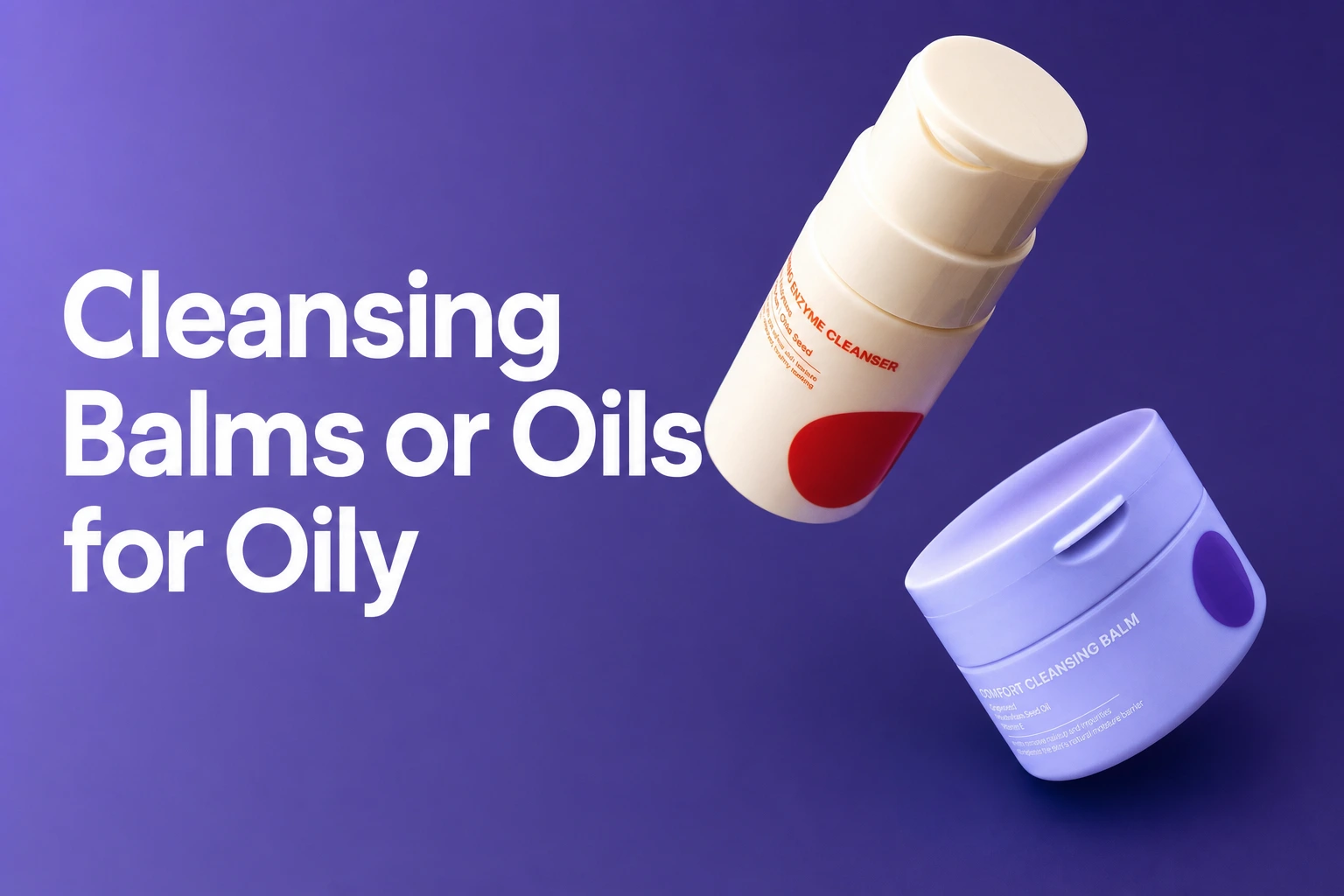
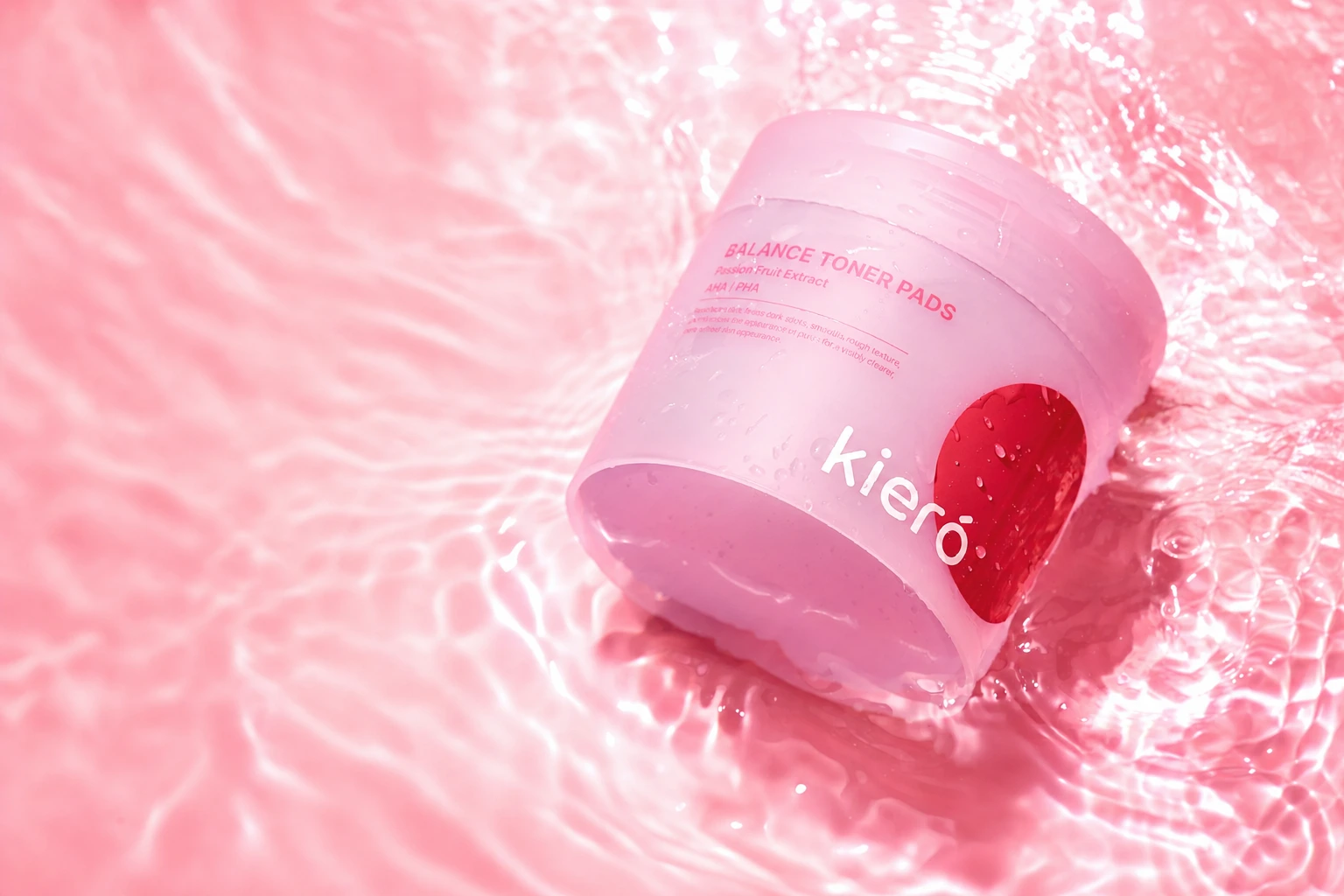
Within K-Beauty routines, brands structure these steps sequentially. For example, Kiero organizes skincare into five core stages: Clean, Balance, Treat, Hydrate, and Protect (About Kiero, Kiero storefront). Within its Step 1 (Clean) category, Kiero lists individual cleansing products including the Comfort Cleansing Balm ($11.99) and the Refining Enzyme Cleanser ($11.99). Subsequent routine steps include Balance Toner Pads ($12.99 + IVA 16%), Moisturizing Barrier Cream ($12.99 + IVA 16%), and Prime Sun Gel SPF 40+ ($12.99 + IVA 16%) (Balance Toner Pads, Moisturizing Barrier Cream, Prime Sun Gel SPF 40+).
Despite the popularity of pairing an oil-based cleansing balm with an enzyme powder wash as a two-step cleansing routine, the specific barrier effects of this sequence remain unverified:
- The research record contains no product-specific clinical trials assessing the sunscreen-removal efficacy or moisture retention of combining a cleansing balm with a powder enzyme cleanser.
- Verifiable specifications regarding surfactant bases, water-dissolving rates, and non-stripping characteristics for these Step 1 product combinations are not established in the available data.
- It is unknown whether following a cleansing balm with an enzymatic second cleanse compounds barrier stress or preserves hydration compared to using a single gentle foaming cleanser.
Consumers adopting multi-step cleansing routines should rely on baseline dermatological guidance: select gentle, non-abrasive formulations and avoid aggressive washing techniques that could disrupt epidermal barrier integrity (Face washing 101).
Application techniques, water activation, and gentle cleansing standards
The method used to prepare and apply facial cleansers directly influences mechanical friction on the skin surface. Water-activated powder cleansers require manual mixing with water prior to application, leading to questions regarding how dilution ratios impact skin tolerance.
Authoritative face washing guidance from the American Academy of Dermatology's Face washing 101 outlines core application standards:
- Water Temperature: Wet the face with lukewarm water before applying any cleansing product.
- Application Method: Use fingertips to distribute the cleanser gently across the skin. Avoid using washcloths, mesh sponges, or abrasive materials, which can provoke mechanical irritation.
- Rinsing and Drying: Rinse thoroughly with lukewarm water and pat dry with a clean towel without rubbing.
A common assumption regarding powder cleansers is that adding more water eliminates physical grit or moderates enzymatic activity to ensure barrier safety. However, this has not been demonstrated in published studies. No published research measures the relationship between water-to-powder ratios, physical abrasion, and enzymatic cleavage rates in cosmetic cleansers. Furthermore, the laboratory findings in Papain Degrades Tight Junction Proteins of Human Keratinocytes In Vitro demonstrated that active papain degrades tight junction proteins at concentrations as low as 1 μg/ml. There is no evidence indicating that simple dilution in water prevents tight junction breakdown or renders active proteases inert on the skin barrier.
To minimize physical irritation during cleansing, users should adhere to the established standard of gentle fingertip application with lukewarm water, regardless of cleanser format (Face washing 101).
Frequently asked questions
Can powder enzyme cleansers safely replace foaming cleansers for daily use?
Published clinical trials have not established whether powder enzyme cleansers can safely replace foaming cleansers for daily use on human skin. Dermatological guidance from the American Academy of Dermatology recommends using a gentle, non-abrasive, alcohol-free cleanser twice daily and after sweating (Face washing 101). Experimental research on papain shows that active enzyme concentrations as low as 1 μg/ml degrade primary tight junction proteins in vitro and elevate transepidermal water loss in animal models (Papain Degrades Tight Junction Proteins of Human Keratinocytes In Vitro), but human comparative trials evaluating daily consumer use are not available.
How do proteolytic enzymes such as papain affect the epidermal barrier in laboratory research?
In laboratory settings, active papain has been shown to degrade tight junction proteins (ZO-1, claudin-4, occludin) in human keratinocytes and increase transepidermal water loss and CD3+ T cell infiltration in mice (Papain Degrades Tight Junction Proteins of Human Keratinocytes In Vitro). While treating keratinocytes with the cysteine protease inhibitor E-64 blocked this protein degradation, these results reflect cell culture and animal experiments rather than clinical trials of commercial skincare products on human subjects.
Is double cleansing with a balm and an enzyme powder cleanser supported by clinical evidence?
There is no comparative human evidence evaluating the barrier safety, non-stripping performance, or sunscreen-removal efficacy of pairing an oil-based cleansing balm with an enzyme powder wash. In guidance published by the American Academy of Dermatology, Dr. Garshick recommends starting with a simple routine centered on a gentle cleanser, a fragrance-free moisturizer, and broad-spectrum sunscreen with SPF 30 or higher (A dermatologist’s guide to skincare from growing up to glowing up).
What application method is recommended to prevent skin irritation during facial cleansing?
According to the American Academy of Dermatology's Face washing 101, facial cleansers should be applied using fingertips after wetting the face with lukewarm water. Using washcloths, sponges, or vigorous scrubbing increases mechanical friction and can cause skin irritation.
Explore Gentle Cleansing Formulations
Discover cleansing balms and washes designed to support daily skincare routines.