Best Korean Cleansers for Oily and Combination Skin (2026): Balms and Second Cleansers That Dissolve Sunscreen Without Stripping
How to choose Korean cleansing balms and water-based second cleansers that dissolve water-resistant SPF and sebum without clogging pores, leaving film, or tightening sensitive skin.
Key takeaways
- Lipophilic sunscreen removal requires oil solvency: A clinical trial in the Journal of Cosmetic Dermatology showed that cleansing oils reduced waterproof sunscreen residue to 5.8% ± 3.3%, compared to 36.8% ± 8.8% for standard water-based cleansers and 59.3% ± 10.4% for water alone.
- Oil cleansing causes less skin dryness than standard single-step cleansing: In the same trial, eight participants using a standard cleanser reported post-wash dry skin, compared to only one participant in the cleansing oil group, showing that solvent-based first cleansing effectively lifts lipophilic filters with lower reported dryness.
- Emulsification is essential for water solubility: According to dermatological research on PMC, surfactant type and rinsability dictate drying and irritation potential, and emulsifiers make fat-soluble impurities water-soluble so they can be rinsed clean with lukewarm water.
- Label claims like "non-comedogenic" lack regulatory standardization: Research published on ScienceDirect emphasizes that comedogenicity claims lack standardized testing and regulatory oversight, as reactions vary based on individual genetics, finished formulation purity, and ingredient concentration.
- Second-cleanser synergy targets remaining impurities: Following an oil-based first cleanser with a water-based wash, such as a pH-balanced foaming formula (around 5.5 as noted in Allure) or a powder enzyme cleanser, eliminates residual sweat and surface debris without abrasive scrubbing.
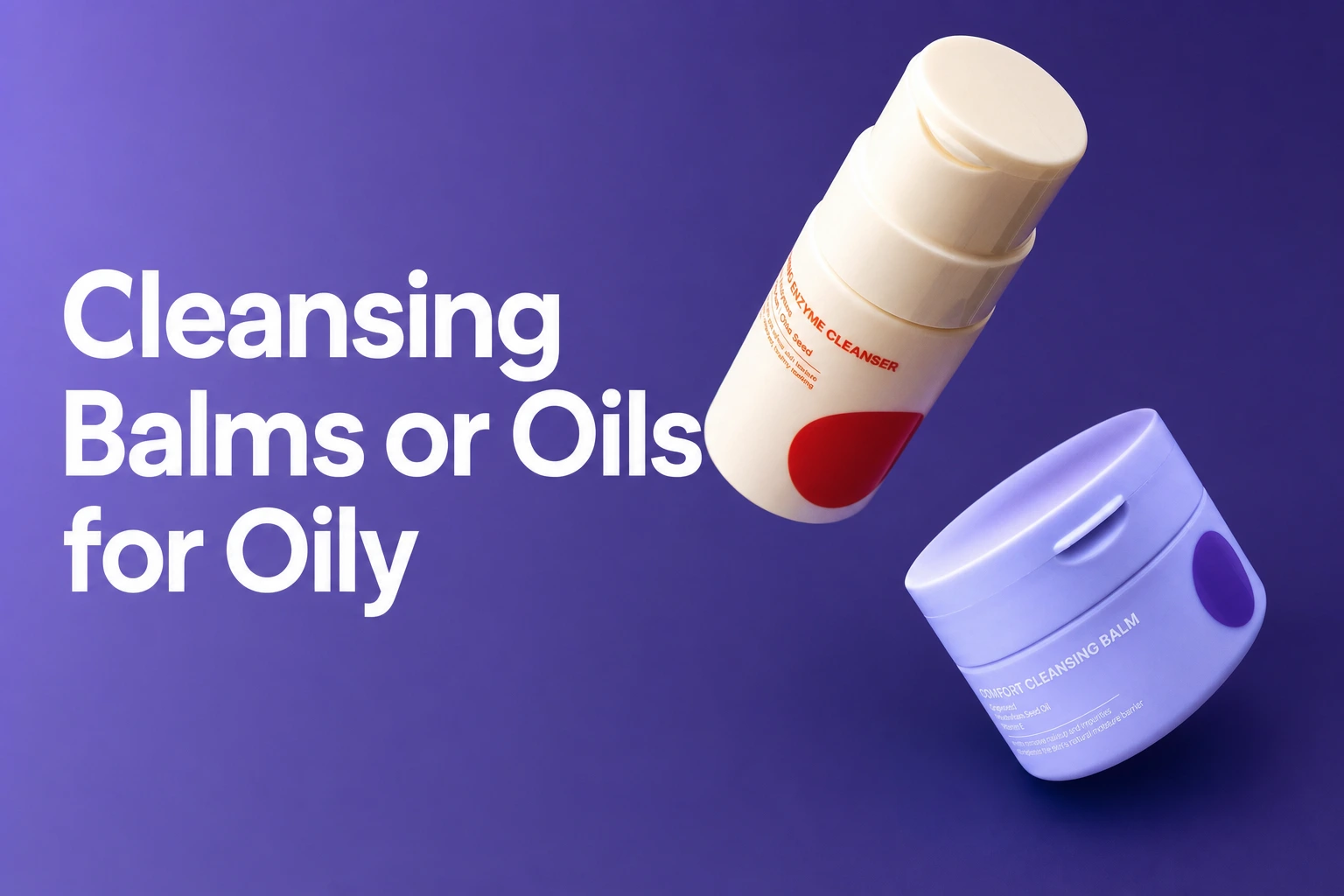
- Evidence status for commercial options: While category mechanisms are clinically verified, product-level head-to-head performance trials remain unestablished. Formula profiles such as the Banila Co Clean It Zero Pore Clarifying Cleansing Balm disclose chemical exfoliants alongside added fragrance, while options from Kiero (Comfort Cleansing Balm, Refining Enzyme Cleanser), Beauty of Joseon, and beplain lack published comparative trial data in the record and are identified as uncovered.
The biophysics of cleansing: how oil balms remove sunscreen without barrier disruption
Effective removal of daily photoprotection depends on the specific formulation of the sunscreen applied. Clinical evaluation in the Journal of Cosmetic Dermatology demonstrates that while non-waterproof sunscreen can be washed off by either a standard cleanser or a cleansing oil, waterproof sunscreen requires a cleansing oil for effective removal. When evaluated under controlled testing conditions, water alone left 59.3% ± 10.4% residue of waterproof sunscreen, a standard cleanser left 36.8% ± 8.8% residue, and a cleansing oil reduced residue to 5.8% ± 3.3%.
For individuals with oily, combination, or sensitive skin, attempting to remove water-resistant formulas with a standard water-based wash alone often leaves substantial residue. A dermatological review on PMC notes that the primary factors affecting cleanser-induced drying and irritancy potential are the type and rinsability of surfactant ingredients and to a lesser degree pH. When harsh cleansers such as traditional soaps are used repeatedly to remove stubborn products, they can trigger irritancy and allergic contact dermatitis.
| Cleansing Modality | Waterproof Sunscreen Residue Rate | Non-Waterproof Sunscreen Residue Rate |
|---|---|---|
| Water Alone | 59.3% ± 10.4% | 54.0% ± 19.2% |
| Standard Cleanser | 36.8% ± 8.8% | 15.6% ± 6.1% |
| Cleansing Oil | 5.8% ± 3.3% | 13.4% ± 4.6% |
Data published in the Journal of Cosmetic Dermatology confirms these distinct removal outcomes. For non-waterproof sunscreen, both standard cleansers (15.6% ± 6.1% residue) and cleansing oils (13.4% ± 4.6% residue) performed similarly. However, the trial noted significant differences in adverse events: eight participants in the standard cleanser group reported post-wash dry skin, compared to only one participant in the cleansing oil group. The researchers concluded that cleansing oil may cause less skin irritation and dryness compared with a standard cleanser.
As dermatologist Dr. Claire Chang explained in Allure, oily skin requires ingredients that help control excess sebum production, reduce clogged pores, and reduce inflammation without stripping the skin of its natural moisture. Double cleansing addresses this balance by utilizing an oil-based first cleanser to dissolve makeup, sunscreen, and oil-based impurities without stripping the skin, as beauty expert Bowles outlined in Vogue.
Emulsification chemistry: preventing pore congestion in humid climates
A central question for oily and combination skin types is whether applying an oil-based product will leave behind pore-clogging residue. In dermatological science, comedogenicity refers to the tendency of a substance to cause clogged pores that manifest as comedones (blackheads or whiteheads), as defined in ScienceDirect. Understanding surfactant chemistry and proper emulsification explains how oil balms rinse clean.
Commercial cleansing balms, such as the Banila Co Clean It Zero formulation on Ulta Beauty, utilize a solid balm-to-oil base featuring synthetic wax, lightweight esters (such as Cetyl Ethylhexanoate and Ethylhexyl Stearate), and non-ionic emulsifying agents like PEG-20 Glyceryl Triisostearate. In its initial application phase, the balm melts smoothly across the skin to dissolve sebum, waterproof makeup, and sunscreen filters.
According to a dermatological review published on PMC, the primary factors influencing cleanser-induced skin irritation and drying are the type and rinsability of surfactant ingredients. Fat-soluble impurities cannot be dissolved by water alone; substances capable of emulsifying these impurities into finer particles must be introduced to make them water-soluble.
- Initial Balm Application
- The balm-to-oil formulation is applied to skin to dissolve waterproof makeup, excess sebum, and sunscreen.
- Water-Activated Emulsification
- Adding a small amount of lukewarm water activates the formula's emulsifying agents.
- The oil transforms into a milky liquid, breaking fat-soluble impurities down into finer, water-soluble particles.
- Lukewarm Water Rinse
- The emulsified mixture is rinsed thoroughly with lukewarm water, leaving a clean finish.
When users attempt to rinse an oil-based cleanser with water without first adding a small amount of water to emulsify it, the fat-soluble substances cannot become water-soluble. Ensuring proper emulsification allows the cleanser to be rinsed away cleanly with lukewarm water as directed on official manufacturer packaging (Ulta Beauty).
Carrier matrices, comedogenicity labels, and fragrance sensitivities
Selecting a facial cleanser for acne-prone or combination skin requires evaluating formulation ingredients, tolerance factors, and label claims.
The truth about "non-comedogenic" claims
Consumers frequently rely on products marketed as "non-comedogenic" to prevent breakouts. However, a comprehensive dermatological review published on ScienceDirect identifies substantial regulatory gaps surrounding this terminology:
- Lack of standardized testing and oversight: There is no universal regulatory standard or mandatory clinical testing protocol, allowing cosmetic brands to label products as "noncomedogenic" regardless of their true potential to cause acne.
- Testing isolated ingredients vs. finished formulations: Methodological flaws in historical testing evaluated isolated raw ingredients rather than complete finished formulations, ignoring how ingredient purity, concentration, and formulation mixing alter the final effect on skin.
- Genetic and individual variability: There is no universal guarantee that a product is non-comedogenic for every individual, because comedogenic reactions vary from person to person based on individual genetic makeup.
Consequently, while products such as Banila Co Clean It Zero carry official non-comedogenic claims on their packaging (Ulta Beauty), the label alone does not guarantee freedom from pore clogging across all skin types. Proper surfactant rinsability and personal formula tolerance remain the decisive practical factors.
Fragrance and surfactant tolerance
Sensitive and reactive skin types frequently experience adverse reactions when exposed to harsh surfactants or fragrance additives. Research published on PMC notes that harsh cleansers such as traditional soaps are recognized causes of irritancy and allergic contact dermatitis to fragrances, preservatives, or dyes.
For individuals with sensitive or reactive skin, dermatological guidance in Allure recommends searching for gentle, hypoallergenic, and fragrance-free cleansers formulated with soothing ingredients like Centella asiatica, green tea extract, allantoin, colloidal oatmeal, licorice root extract, or niacinamide. Beauty expert Bowles in Vogue also highlights hydrating ingredients like glycerin and panthenol for sensitive skin. Dermatologists in Allure further emphasize that sensitive individuals should always conduct a patch test before regular use.
Second-cleanser synergy: enzyme powders vs. low-pH foaming gels
Double cleansing is structured as a two-step face cleansing technique. As dermatologist Dr. Claire Chang explained in Allure, the method involves using an oil-based cleanser and a water-based cleanser to thoroughly remove makeup, sunscreen, and other impurities from the skin. The first step dissolves oil-based impurities like sebum and makeup, while the second step eliminates remaining sweat and dirt without stripping the skin's natural moisture.
In Vogue, beauty expert Bowles confirmed that the second round uses a water-based cleanser to remove remaining residue, sweat, and dirt while addressing specific secondary concerns such as dryness, sensitivities, or acne.
| Cleanser Category | Sourced Texture & Mechanism | Exfoliation & Hydration Attributes | Expert Clinical Guidance |
|---|---|---|---|
| Low-pH Gel & Foam Cleansers | Gels and foaming washes formulated to be pH-balanced around 5.5 (Allure) | Provide light hydration while cleaning residue without stripping moisture (Allure, Vogue) | Dermatologist Chung in Vogue recommends gels and foams for oily skin and advises avoiding cream cleansers |
| Powder Enzyme Cleansers | Water-activated powder transforming into a creamy, smooth foam (Allure) | Allows user to control exfoliation level to clear pores and brighten skin (Vogue, Allure) | Formulated as a gentle alternative to traditional face scrubs (Allure) |
Powder enzyme cleansers for gentle pore refinement
Combination skin often presents oily areas on the T-zone alongside rough surface buildup or sensitivity. Powder enzyme cleansers offer a customizable approach to cleansing and exfoliation. As reported by beauty contributor Sarah Y. Wu in Allure, enzyme cleansing powders transform into a creamy, super smooth foam with just a few drops of water, lightly exfoliating and clearing pores without the rough mechanical texture of a traditional face scrub.
In Vogue, Bowles explained that powder cleansers allow users to control the level of exfoliation by adjusting water dilution, while mild enzymes brighten dull or uneven skin alongside gentle hydrating ingredients like glycerin or panthenol.
Low-pH gel and foaming cleansers for sensitive skin
For daily cleansing or reactive skin barriers, water-based gel and foam cleansers provide a gentle second step. As expert Choi noted in Allure, many Korean cleansers are formulated to be pH-balanced, typically around 5.5 to match the skin's natural pH level. Dermatologist Chung emphasized in Vogue that individuals with oily skin should opt for Korean foam and gel cleansers while avoiding heavy cream cleansers.
Product profiles and evidence status
The table below compiles established label facts, formulation characteristics, and evidence boundaries for commercial options.
| Product / Option | Step & Category | Disclosed Formula Traits | Sourced Evidence Status |
|---|---|---|---|
| Banila Co Clean It Zero Pore Clarifying Balm | Step 1: Cleansing Balm (balm-to-oil) |
| Official label details hypoallergenic & non-comedogenic claims; contains fragrance; no comparative clinical trial on record |
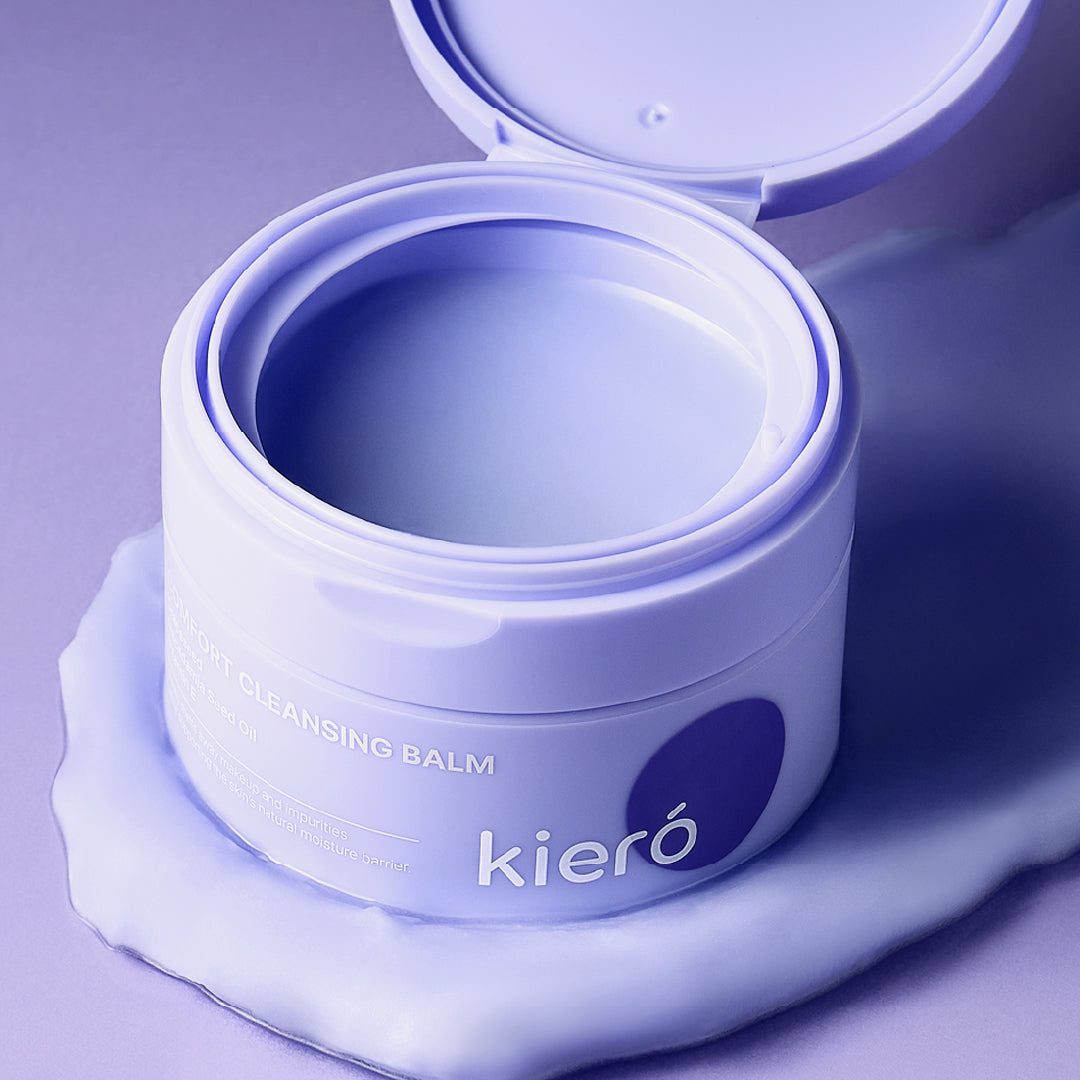
| Kiero Comfort Cleansing Balm | Step 1: Cleansing Balm ($11.99) |
| NO COMPARATIVE EVIDENCE COLLECTED: Listed as uncovered in trial record |
| Kiero Refining Enzyme Cleanser | Step 2: Second Cleanser ($11.99) |
| NO COMPARATIVE EVIDENCE COLLECTED: Listed as uncovered in trial record |
| Beauty of Joseon Radiance Balm | Step 1: Cleansing Balm |
| NO COMPARATIVE EVIDENCE COLLECTED: Listed as uncovered in trial record |
| beplain Green Tea Cleansing Oil/Balm | Step 1: Cleansing Oil / Balm |
| NO COMPARATIVE EVIDENCE COLLECTED: Listed as uncovered in trial record |
Analysis of available data
- Banila Co Clean It Zero Pore Clarifying Cleansing Balm: According to official retail specifications on Ulta Beauty, this balm-to-oil formula is marketed for oily and combination skin to dissolve waterproof makeup and impurities while gently removing dead skin cells and excess sebum. Official packaging states it is formulated without sulfates, parabens, phthalates, polyethylene, mineral oil, alcohol, or artificial coloring, and carries manufacturer hypoallergenic and non-comedogenic claims. Its ingredient listing includes Cetyl Ethylhexanoate, Ethylhexyl Stearate, Jojoba Seed Oil, Tea Tree Leaf Extract and Oil, Salicylic Acid, Capryloyl Salicylic Acid, Gluconolactone, and Fragrance. However, its rinsability speed, residue profile, and long-term hydration impact have not been tested in published comparative clinical trials.
- Kiero Cleansing Lineup: Listed on the Kiero storefront under Step 1 Clean, the Comfort Cleansing Balm ($11.99) and Refining Enzyme Cleanser ($11.99) represent first- and second-cleanser formats. As noted in the evidence record, no admitted product-specific comparative trial evidence has been collected, and these products are identified as uncovered.
- Beauty of Joseon & beplain: Additional commercial options, including the Beauty of Joseon Radiance Cleansing Balm and beplain Green Tea Cleansing Oil/Balm, lack admitted comparative trial evidence in the research record and remain uncovered.
Step-by-step cleansing protocol for oily and combination skin
To remove water-resistant sunscreen and daily impurities without stripping the skin barrier, follow this double-cleansing method based on dermatological principles and manufacturer instructions:
- First Cleanse (Oil-Based Cleanser)
- Water Emulsification and Rinse
- Add a small amount of lukewarm water to the face to emulsify the oil into a milky liquid (Ulta Beauty).
- This emulsification step transforms fat-soluble impurities into water-soluble particles, as documented in PMC.
- Rinse thoroughly with lukewarm water until the cleanser is completely removed.
- Second Cleanse (Water-Based Wash)
- Follow with a water-based cleanser, such as a low-pH foaming gel or a water-activated enzyme powder cleanser (Allure, Vogue).
- If using an enzyme powder, mix with a few drops of lukewarm water in the palm to create a smooth foam before applying to the face (Allure).
- Cleanse gently to remove residual sweat and dirt (Allure, Vogue).
- Rinse completely with lukewarm water and gently pat the face dry.
FAQ
Is an oil-based cleanser necessary to remove waterproof sunscreen?
Yes. Clinical findings in the Journal of Cosmetic Dermatology show that cleansing oils remove waterproof sunscreen significantly more effectively (leaving only 5.8% residue) than standard cleansers (36.8% residue), with fewer reported cases of post-wash skin dryness. For oily or acne-prone skin, adding lukewarm water to emulsify the balm is essential to convert fat-soluble impurities into water-soluble particles before rinsing (PMC).
Why do cleansing balms sometimes cause temporary blurry vision or cloudy eyes?
Cleansing balms are oil- and wax-based formulations designed to melt upon skin contact. If product enters the eye area and is not emulsified with water, temporary cloudiness can occur. To avoid this, keep eyes closed during massage and ensure the cleanser is thoroughly emulsified with lukewarm water and rinsed clean as directed on product packaging (Ulta Beauty).
How can I prevent double cleansing from causing breakouts or clogged pores on oily skin?
To prevent congestion, ensure complete emulsification and rinsing of your oil-based first cleanser with lukewarm water (PMC). Follow with a water-based cleanser to remove remaining sweat and residue (Allure). Dermatologist Chung in Vogue recommends that individuals with oily skin choose gel or foam second cleansers while avoiding heavy cream cleansers.
Which second cleanser should I choose for combination or sensitive skin?
Use an oil-based first cleanser to dissolve sebum and sunscreen without stripping moisture (Vogue). For the second step, consider a powder enzyme cleanser. As reported in Allure, enzyme powders mix with water into a smooth foam that gently clears pores and refines buildup without feeling like an abrasive physical scrub. Alternatively, use a low-pH foaming cleanser balanced around 5.5 to protect sensitive skin areas (Allure).
Does a non-comedogenic label guarantee a cleanser will not clog pores?
No. Dermatological research published on ScienceDirect emphasizes that the term "non-comedogenic" lacks standardized regulatory testing and oversight. Comedogenic responses vary among individuals based on genetic makeup, ingredient purity, and finished-formula concentrations (ScienceDirect).
Find Your Ideal Cleanser
Explore gentle, residue-free Korean cleansing balms and low-pH second cleansers designed for oily and combination skin.