
Niacinamide Serum vs Snail Mucin for Oily Acne-Prone Skin
Compare niacinamide serum and snail mucin for oily acne-prone skin, post-acne marks, and layering with vitamin C using a clear Kiero routine lens.
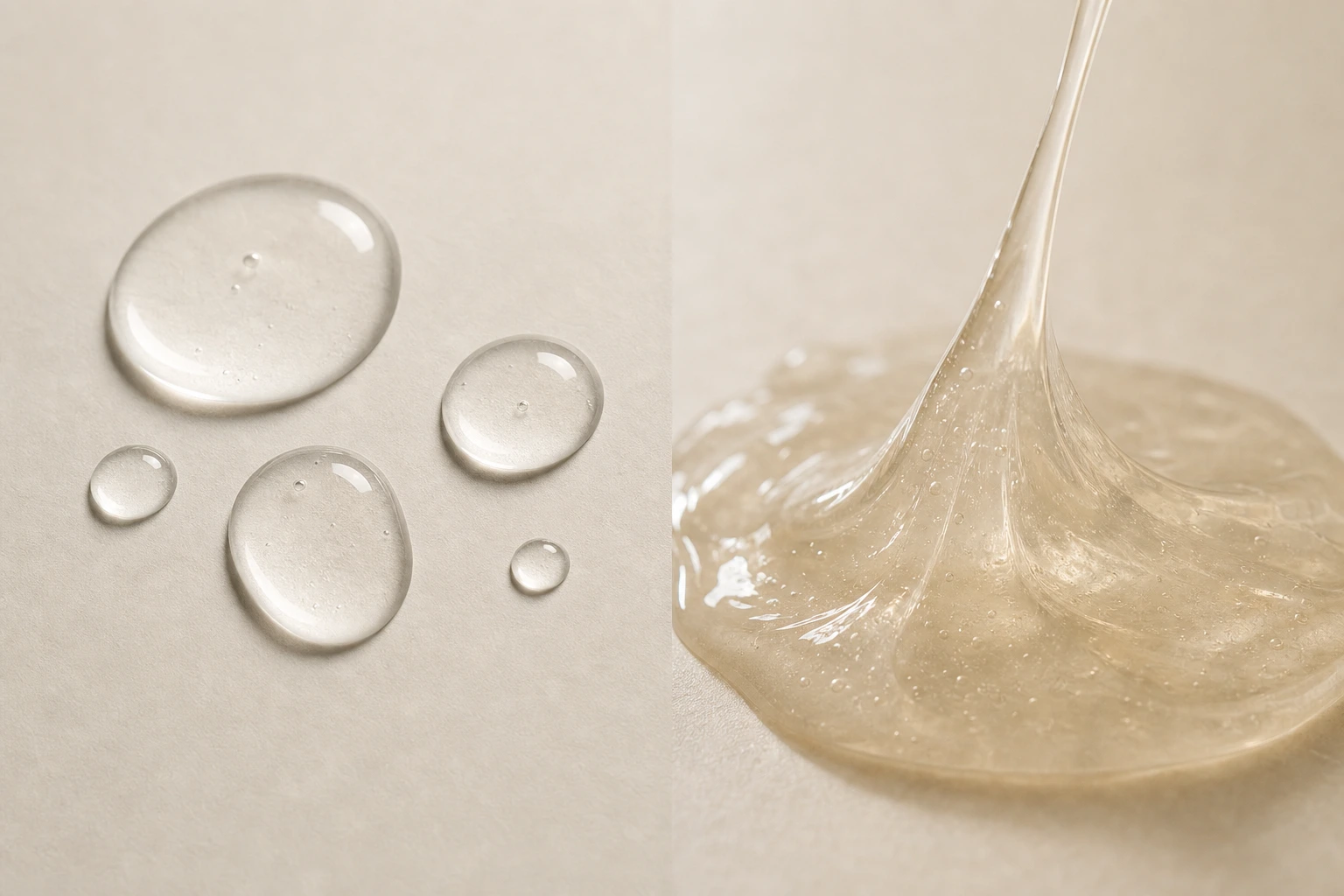
Key Takeaway
For oily and acne-prone skin, clinical data heavily favors niacinamide over snail mucin. Niacinamide actively regulates sebum production and reduces acne lesions by up to 80% when paired with vitamin C. While snail mucin excels at barrier repair, modern 2026 dermatological consensus recommends lightweight niacinamide serums for targeted acne management, especially in warm climates where mucin can feel uncomfortably heavy.
What is the difference between niacinamide and snail mucin?
Niacinamide regulates sebum production and fades hyperpigmentation, whereas snail mucin focuses primarily on wound healing and skin barrier repair.
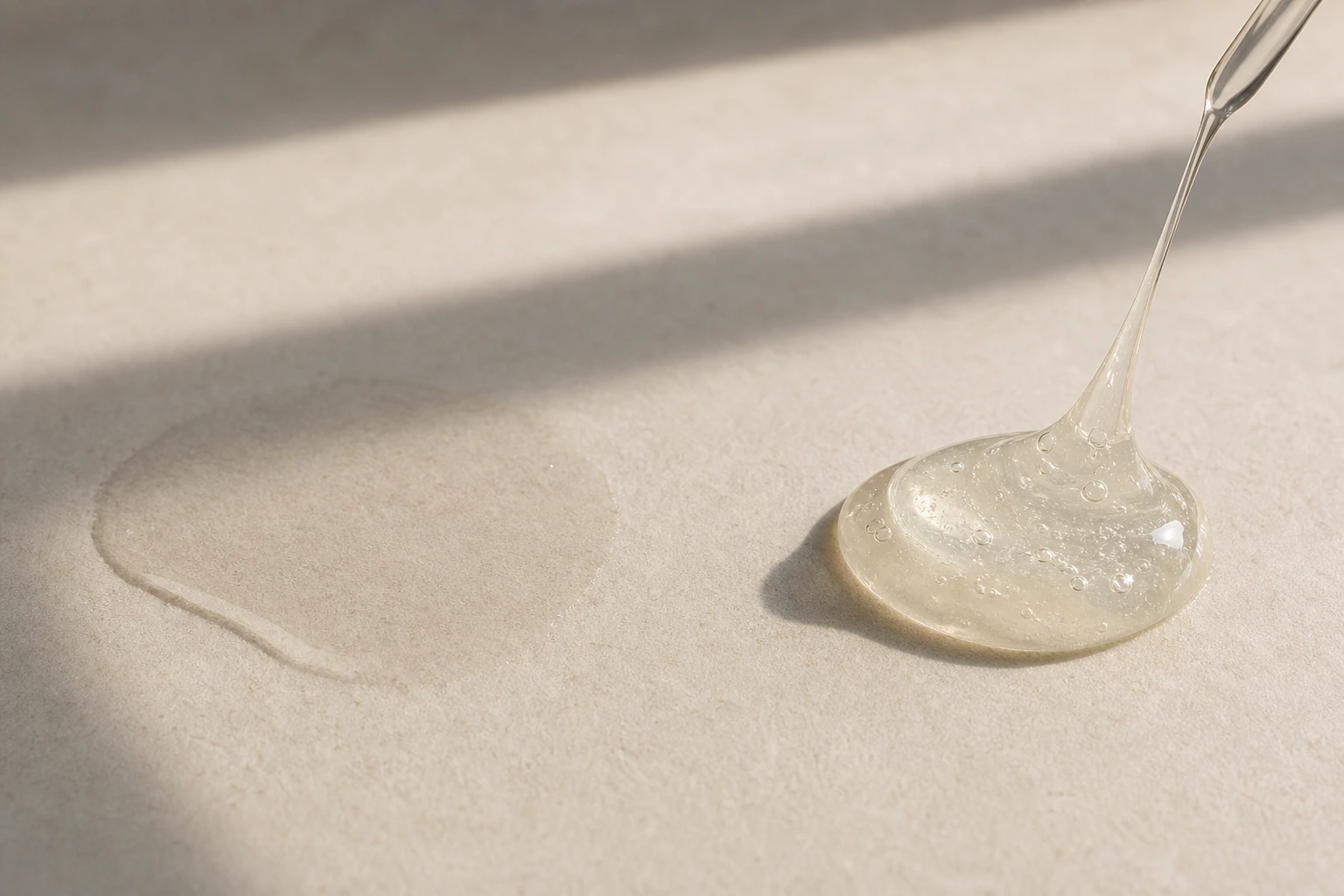
Understanding the core scientific mechanisms of these ingredients is essential for building an effective routine. Niacinamide (Vitamin B3) is a stable, water-soluble vitamin that acts directly on the skin's lipid synthesis. Concentrations between 2% and 10% effectively normalize oil production in sebocytes through the AMPK cellular pathway. This active intervention makes it a foundational ingredient for anyone struggling with midday shine or persistent breakouts.
Snail mucin, officially known as snail secretion filtrate, is typically formulated at high concentrations of 70% to 97%. It is rich in natural bioactive compounds, including copper peptides, hyaluronic acid, and trace amounts of glycolic acid. These elements are highly effective at accelerating tissue healing and stimulating collagen production. However, snail mucin is a reparative ingredient rather than an active targeted treatment.
For users in warm Latin American climates, texture plays a crucial role in product selection. Snail mucin often carries a viscous, stringy finish that can trap sweat and feel suffocating under makeup or sunscreen. Conversely, properly formulated niacinamide serums sink instantly into the skin, making them far more practical for daily wear in high humidity.
Which is better for oily, acne-prone skin?
Niacinamide is significantly better for oily and acne-prone skin because it clinically reduces sebum production and active acne breakouts.
When evaluating acne treatments, clinical evidence is the ultimate deciding factor. While snail mucin is popular in traditional K-Beauty regimens, its evidence grade remains moderate-to-low for active acne management when compared directly to niacinamide. Snail mucin will help soothe a picked pimple, but it will not stop the pimple from forming in the first place.
Niacinamide delivers measurable, preventative results for congested skin:
- Comedone control: Clinical trials show that combining 5% niacinamide with 2% salicylic acid results in a 60% decrease in comedones.
- Active lesion reduction: A combination protocol of 10% niacinamide and 15% vitamin C achieved an 80% reduction in active acne lesions over a 12-week period.
If you are debating Korean Skincare vs Western Skincare, you will notice that modern hybrid formulas take the high-performance actives of Western clinical science (like niacinamide) and combine them with the soothing, barrier-first philosophy of K-Beauty.
| Feature | Niacinamide (2-10%) | Snail Mucin (70-97%) |
|---|---|---|
| Primary Function | Sebum control & brightening | Wound healing & hydration |
| Texture | Lightweight, fast-absorbing | Viscous, stringy, often sticky |
| Acne Prevention | High clinical efficacy | Low clinical efficacy |
| Barrier Support | Yes (boosts ceramides) | Yes (copper peptides) |
| Ideal Climate | Humid, warm weather | Dry, cold weather |
How do these actives treat post-acne marks?
Niacinamide stops dark spots by blocking melanin transfer to the skin surface, whereas snail mucin only speeds up general tissue healing.
Post-inflammatory hyperpigmentation (PIH) is the dark, flat spots left behind after a breakout heals. These marks are particularly stubborn on melanated Latina skin, requiring targeted intervention to fade.
Niacinamide treats hyperpigmentation at a cellular level. It works by downregulating PAR-2, a receptor responsible for transferring melanosomes (packages of pigment) into the upper layers of your skin (keratinocytes). By blocking this transfer, niacinamide physically prevents the dark spot from fully forming or darkening further. The clinical results are striking: niacinamide and vitamin C combinations achieved an 85% improvement in post-inflammatory hyperpigmentation.
Snail mucin lacks this melanin-inhibiting mechanism. While the trace amounts of glycolic acid in mucin can provide very mild surface exfoliation, it cannot actively stop pigment production. If your primary goal is to even skin tone and manage your vitamin C and niacinamide timeline, niacinamide is the non-negotiable active you need in your daily routine.
Can you layer vitamin C with niacinamide and snail mucin?
You can safely layer vitamin C, niacinamide, and snail mucin together by applying them from the thinnest water-based texture to the thickest.
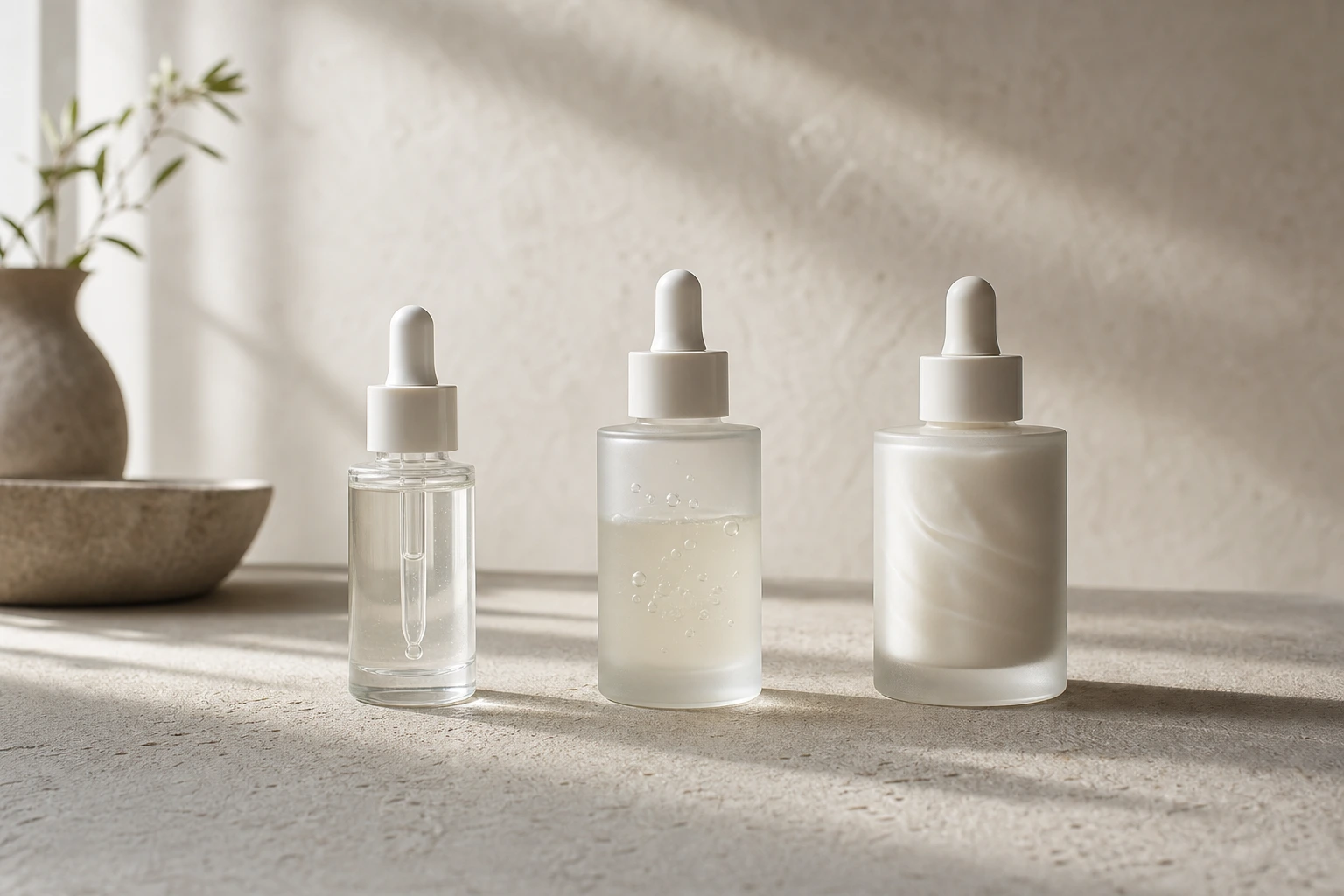
A widespread skincare myth claims that combining vitamin C and niacinamide creates a toxic reaction or neutralizes both ingredients. As of 2026, modern dermatological consensus completely refutes this. Today's cosmetic formulations are entirely stable when paired together at room temperature and do not cause flushing or irritation.
To maximize absorption without pilling, follow this specific layering protocol:
- Water-based Vitamin C Serum: Apply to dry skin immediately after cleansing. Its highly fluid texture needs direct contact with the skin.
- Niacinamide Serum: Apply second. Look for a liquid-gel hybrid that absorbs quickly.
- Snail Mucin: If you still choose to use mucin, it must go last among your serums due to its heavier, mucilaginous consistency.
If you experience tiny bumps after mixing products, you might be confusing an ingredient purge with a texture clash. Kiero's guide on serum reactions explained can help you identify if your skin is reacting to a heavy formulation rather than the active ingredients themselves.
Why is the "Skip-Care" method replacing 10-step routines?
The skip-care trend replaces extensive ten-step regimens with three to five multi-tasking products to prevent skin barrier disruption.
The 10-step Korean skincare routine is largely a thing of the past. Overloading the skin with multiple toners, essences, mucins, and thick creams often backfires for oily skin types, leading to clogged pores and an impaired skin barrier. Current 2026 trends emphasize "Skip-Care"—a streamlined approach that relies on high-quality, multi-active formulations.
Kiero recommends a strict 5-step methodology: Cleanse, Balance, Treat, Hydrate, and Protect.
Instead of buying a standalone hydrating serum, a separate peptide product, and an isolated niacinamide drop, Skip-Care utilizes one highly sophisticated "Treat" product. This reduces the physical weight on your skin, minimizes the risk of ingredient conflict, and ensures your pores can breathe throughout the day. It is an especially effective strategy if you are prone to congestion and wondering why your blackheads keep returning.

How does Kiero Essential Boost Serum work for oily skin?
The Kiero Essential Boost Serum controls oil and strengthens the barrier using a lightweight blend of niacinamide, peptides, and prickly pear.

Frequently Asked Questions
Does snail mucin cause breakouts on oily skin?
While snail mucin itself is generally non-comedogenic, its thick, sticky texture can trap excess oil, sweat, and environmental debris against the skin. In warm or humid climates, this trapping effect can indirectly lead to clogged pores and breakouts for individuals who already have oily skin.
Can I use niacinamide both morning and night?
Yes. Niacinamide is a highly stable and gentle active that does not increase sun sensitivity. Using it twice daily maximizes its sebum-regulating benefits and helps maintain a matte, balanced complexion throughout the day.
How long does it take for niacinamide to clear post-acne marks?
Clinical improvements in post-inflammatory hyperpigmentation typically become visible after 4 to 8 weeks of consistent, twice-daily use. For maximum fading power, combine niacinamide with a morning application of vitamin C and strict daily sunscreen use.
Is prickly pear extract better than snail mucin for warm climates?
Prickly pear extract provides comparable antioxidant and soothing benefits to snail mucin but possesses a significantly lighter molecular weight. This allows it to absorb rapidly into the skin without leaving a sticky, occlusive film, making it far superior for humid climates and oily skin profiles.