
Korean Skincare vs Western Skincare: What Actually Differs?
The fundamental difference between Eastern and Western skincare lies in the balance of treatment speed versus skin barrier health.
TL;DR
The fundamental difference between Eastern and Western skincare lies in the balance of treatment speed versus skin barrier health. Market data shows that while Western formulations reduce acne faster, Korean routines boast 30% fewer irritants and reduce transepidermal water loss by 40%. As the U.S. market rapidly adopts K-beauty—driving 37.2% year-over-year growth—brands are increasingly defined by either high-potency clinical results or preventative botanical nourishment.
The global beauty market is currently experiencing a massive paradigm shift. Consumers are no longer blindly purchasing products; they are actively evaluating the underlying philosophies of the formulations they apply to their skin. On one side of the spectrum sits the preventative, hydration-focused approach of Korean beauty (K-beauty). On the other side is the treatment-oriented, high-potency methodology of Western skincare. Kiero analysis shows that choosing between these two approaches is rarely about which is objectively "better." Instead, it is about understanding how these completely different chemical philosophies interact with your specific skin barrier, local climate, and timeline for desired results.
What is the main difference between Korean and Western skincare?
Korean skincare prioritizes gentle barrier protection and hydration, whereas Western skincare focuses on high-potency treatments for rapid results.
This philosophical divide dictates every aspect of product formulation, from the choice of active ingredients to the recommended daily regimen.
"Western skincare focuses on rapidly correcting specific conditions, whereas K-beauty is designed to consistently nourish the skin's barrier ecosystem," explains Dr. Emily Chen, Board-Certified Dermatologist and Director of Clinical Research at Pacific Skin Institute.
Western skincare fundamentally operates on a reactionary model. It is designed to identify a specific dermatological problem—such as cystic acne, hyperpigmentation, or severe wrinkles—and attack it with the highest clinically safe concentration of active chemicals. This approach prioritizes eradication and correction over daily nourishment.
In contrast, Korean skincare operates on a preventative, long-term model. The core objective of K-beauty is to maintain a flawless, uncompromised skin barrier so that severe dermatological issues never have the opportunity to surface. Because of this focus on daily, long-term application, the formulas must be inherently less aggressive. In fact, Korean products generally contain 30% fewer irritants than Western formulas.
By lowering the concentration of harsh actives, Korean brands require users to be more patient, but they reward that patience with a significantly lower risk of chemical burns, chronic dryness, and compromised skin barriers.
Which skincare philosophy works faster for acne and anti-aging?
Western skincare delivers rapid visible results for acute concerns, while Korean routines prioritize gradual skin health with far less irritation.
When consumers face a sudden breakout or want immediate anti-aging effects, they naturally gravitate toward the fastest possible solution. In this arena, Western skincare undeniably excels. Because U.S. and European brands rely heavily on high percentages of lab-synthesized actives, their treatment timelines are aggressively condensed. U.S. brands achieve acne reduction in an average of just 2 weeks, compared to a longer 4-week timeline required for Korean routines.
However, this accelerated timeline comes with a measurable biological cost. The trade-off between speed and irritation is the defining friction point in modern dermatology. A 2025 clinical study perfectly highlighted this compromise by comparing prescription-strength retinol (a Western staple) against bakuchiol (a gentler botanical alternative popularized by Korean brands). The research demonstrated that bakuchiol reduced wrinkles 19% slower than retinol, but it resulted in 50% less irritation.
For individuals managing reactive skin, this trade-off is often worth the wait. Transitioning to Gentle Korean Skincare for Sensitive Skin in Humid Weather can help mitigate redness while maintaining the consistent hydration required for actual long-term anti-aging.
How does ingredient science impact skin barrier health?
Korean botanical formulas boost natural barrier function, while potent Western synthetic acids risk compromising moisture levels during rapid exfoliation.
The ingredients chosen by a brand directly reflect its underlying geographical philosophy. Western formulations heavily favor synthetic exfoliating acids—such as Alpha Hydroxy Acids (AHAs) and Beta Hydroxy Acids (BHAs)—to manually force cellular turnover. While effective at resurfacing the skin quickly, Western brands utilizing synthetic acids like 5% glycolic acid are associated with a 25% increase in irritation risk compared to gentler Eastern alternatives. This aggressive stripping can lead to a compromised acid mantle, leaving the skin vulnerable to environmental damage and bacterial infection.
What is TEWL?
Transepidermal Water Loss (TEWL) is the measure of moisture that passively evaporates through the skin barrier into the surrounding air. High TEWL indicates a damaged, leaky barrier.
Rather than stripping the skin, K-beauty focuses on sealing it. Traditional Eastern botanical extracts, specifically Centella asiatica (cica) and fermented galactomyces, actively improve skin barrier function, leading to a massive 40% reduction in transepidermal water loss. By utilizing fermented ingredients, Korean brands break down the molecular structure of the nutrients, allowing them to penetrate deeper into the epidermis without requiring the harsh chemical delivery systems favored by Western labs.
What drives global innovation in skincare textures?
South Korea leads the market by creating novel product formats, while Western brands primarily refine the functional finishes of traditional treatments.
If you have ever used a sleep mask, an essence, a pimple patch, or a cushion foundation, you are benefiting from South Korean cosmetic research and development. The K-beauty industry does not just invent new ingredient combinations; it fundamentally reinvents how products are delivered to the skin. In fact, as of 2025, an overwhelming 88% of global "first-to-market" texture innovations—specifically including cushion compacts and sleeping masks—originated from Korean brands.
Conversely, Western brands have largely focused their research and development budgets on achieving higher-strength active stability and highly functional, specific finishes—such as ultra-matte sunscreens designed to sit under heavy makeup.
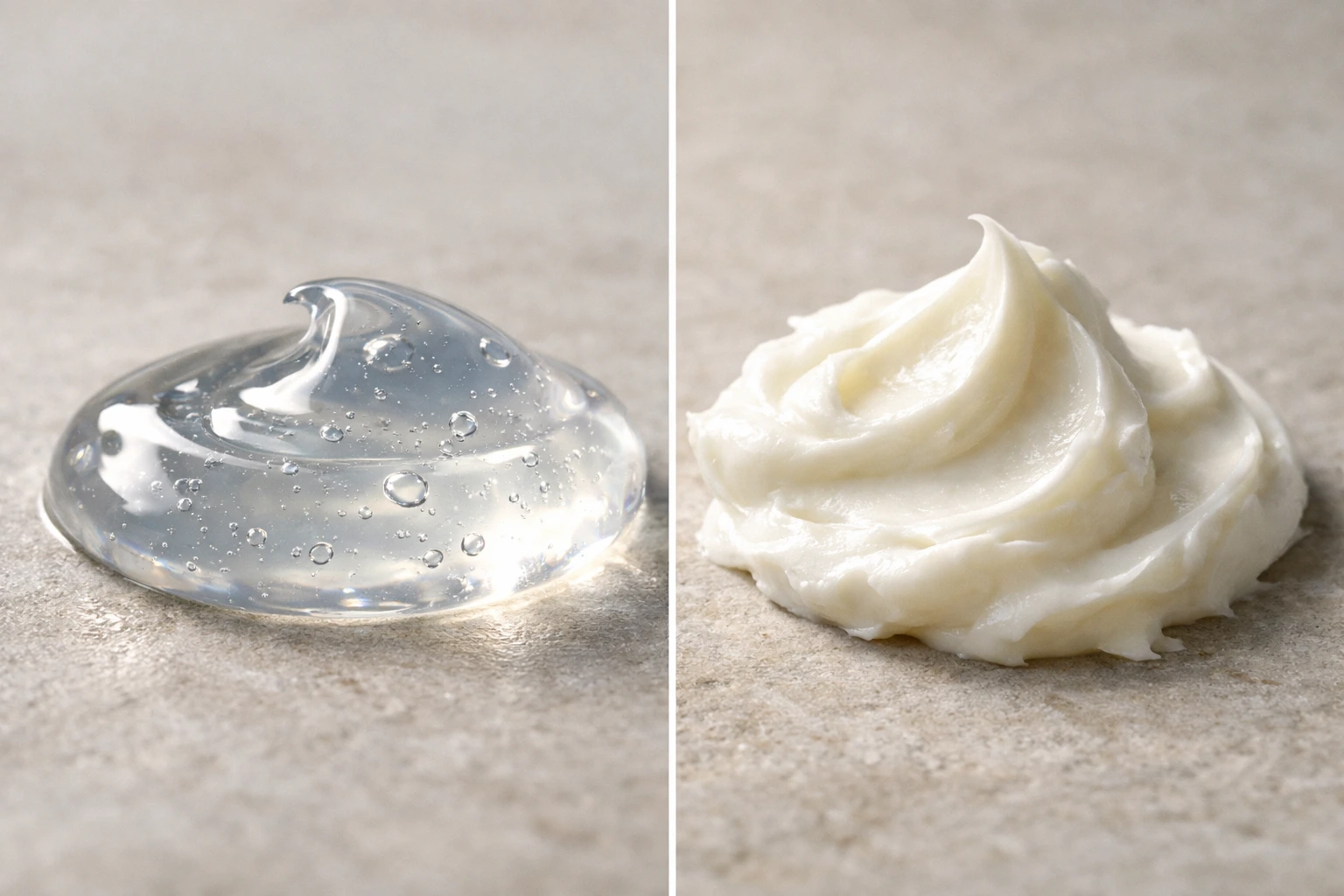
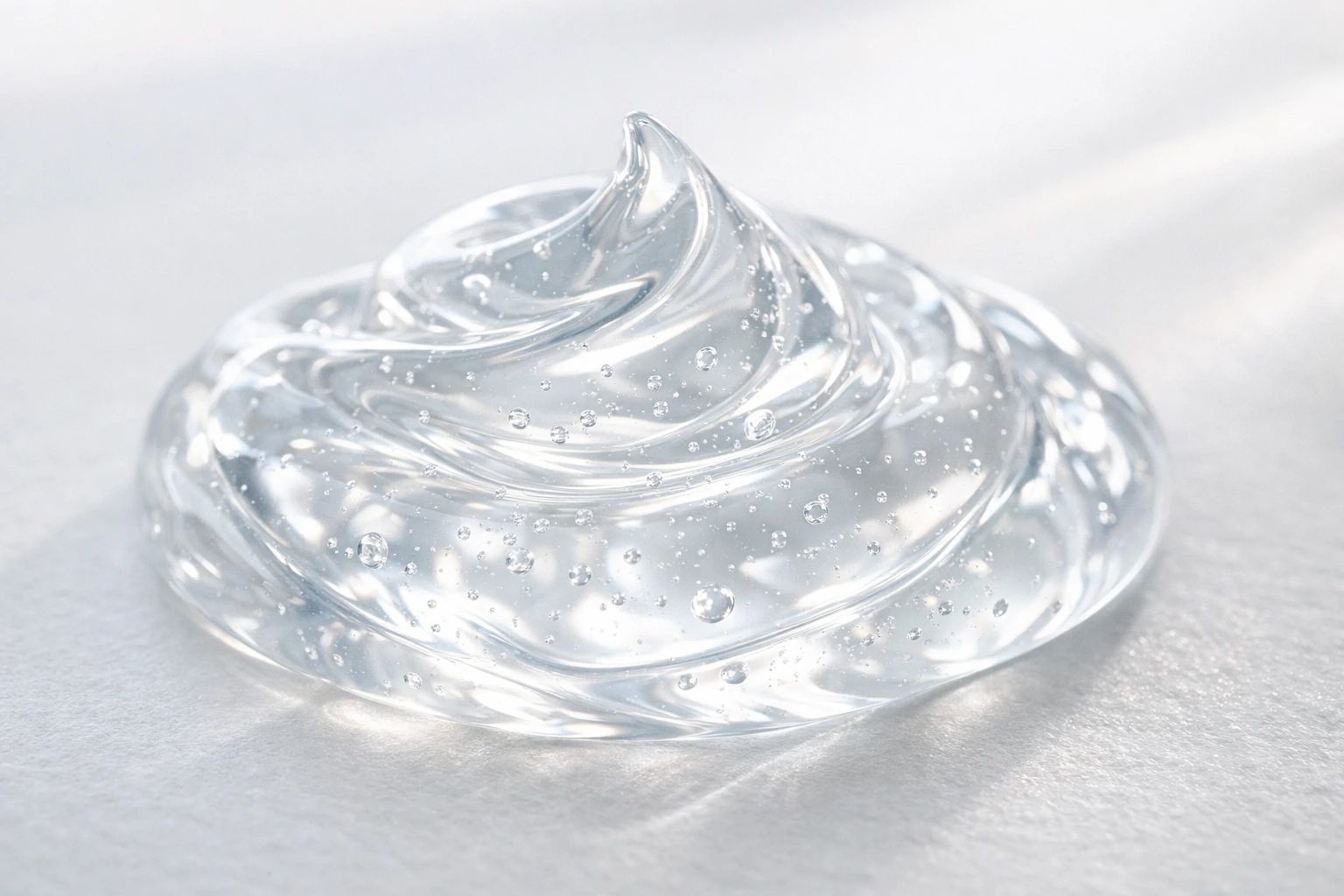
These distinct approaches to texture directly influence consumer purchasing habits based on skin type. A 2024 survey mapping consumer behavior showed that 72% of oily or acne-prone users in South Korea prefer lightweight, hydrating gels that absorb instantly without clogging pores. In stark contrast, 68% of dry-skin respondents in the U.S. favored the thicker, richer, ceramide-heavy creams that are the hallmark of traditional Western medical lines.
Why do dermatologists still recommend Western medical-grade brands?
Many dermatologists favor Western medical skincare because it uses high-strength synthetic actives specifically formulated to treat clinical conditions.
Despite the overwhelming consumer pivot toward preventative Korean skincare, the medical community maintains a strong loyalty to Western pharmaceutical approaches. When a patient enters a clinic with severe cystic acne, aggressive rosacea, or deep hyperpigmentation, dermatologists require formulas that offer guaranteed, rapid intervention.
Reflecting this clinical reality, 55% of skincare professionals explicitly prefer Western medical-grade brands, such as CeraVe, over Korean alternatives. This preference is largely driven by the Western focus on rigorous clinical-strength standardization. When treating a diagnosed medical condition, professionals rely on exact, standardized percentages of synthetic acids, benzoyl peroxide, and retinoids.
While a Korean botanical essence excels at daily maintenance and barrier repair, it simply is not designed to chemically obliterate a severe cystic acne flare-up within a 48-hour window. Kiero recommends a hybrid approach for problematic skin: utilizing targeted Western spot treatments for severe clinical flare-ups, while relying on gentle Korean hydration for the rest of the facial canvas to prevent widespread barrier damage.
How is the global skincare market shifting toward K-Beauty?
The global market is rapidly adopting Korean beauty as modern consumers demand gentle, preventative routines instead of harsh clinical treatments.
The financial data surrounding the skincare industry illustrates a clear shift in global consumer consciousness. Buyers are increasingly educated about ingredients, barrier health, and long-term skin longevity, moving away from the cyclical damage often caused by aggressive Western exfoliants.
- • U.S. Market Explosion: Retail sales of K-beauty products in the United States reached approximately $2 billion in 2024, demonstrating a staggering growth rate of 37.2% year-over-year.
- • Domestic Korean Growth: The South Korean skincare market itself continues to expand, projected to reach a massive KRW 5.41 trillion in 2024, representing a steady 2.5% year-on-year increase.
- • Corporate Profitability: In Q1 2025 alone, major K-beauty conglomerates reported phenomenal profitability. Amorepacific posted operating profits of KRW 128.9 billion, while LG Household & Health Care reached KRW 49.4 billion.
As K-beauty cements its dominance in Western retail spaces, U.S. consumers are realizing that achieving "glass skin" does not require aggressive peeling. For those intimidated by elaborate regimens, exploring resources like Do You Really Need a 10-Step Korean Skincare Routine? can simplify the process, proving that the Korean philosophy is about intentional ingredients rather than sheer product volume.
Compare Western and Korean routines for different skin types
Your ideal skincare philosophy depends on your skin type, local climate, and whether you prioritize rapid correction or long-term barrier repair.
| Feature / Category | Western Skincare | Korean Skincare (K-Beauty) |
|---|---|---|
| Core Philosophy | Reactionary, corrective, targeted treatments | Preventative, comprehensive, barrier protection |
| Primary Actives | Synthetic acids (AHA/BHA), Retinol, Benzoyl Peroxide | Botanicals (Centella, Bakuchiol), Snail Mucin, Ferments |
| Acne Resolution Timeline | Faster (Average 2 weeks) | Gradual (Average 4 weeks) |
| Irritation Profile | Higher risk (e.g., 25% higher with synthetic acids) | Lower risk (30% fewer irritants overall) |
| Texture Focus | Thicker creams, functional matte finishes | Lightweight gels, essences, high-absorption layers |
| Professional Standing | Preferred by 55% of dermatologists for clinical issues | Preferred by consumers for daily preventative maintenance |
Kiero suggests that the most effective modern routines borrow from both columns. You might rely on a Western salicylic acid cleanser to manage hormonal breakouts, while utilizing a Korean fermented essence and ceramide gel to rapidly repair the barrier damage caused by the cleanser.
Find your ideal hydration balance
Discovering the perfect balance between effective treatment and gentle nourishment shouldn't require a degree in cosmetic chemistry. Whether you are dealing with a compromised barrier from harsh Western acids, or you simply want to introduce lighter, more hydrating Korean textures into your daily rotation, identifying the right formulas is the first step toward resilient skin.
See formulas for your specific skin typeFrequently Asked Questions
What is the main difference between Korean and Western skincare?
The primary difference lies in their foundational philosophy. Korean skincare is preventative, focusing on maintaining a healthy moisture barrier through gentle hydration and botanical ingredients. Western skincare is highly corrective, relying on potent, concentrated synthetic actives designed to rapidly treat specific issues like acne or wrinkles.
Is Korean skincare better for sensitive skin?
Yes, Korean skincare is generally much better suited for sensitive or reactive skin types. Market data shows that K-beauty formulations contain 30% fewer irritants than their Western counterparts, largely because they avoid high concentrations of aggressive synthetic exfoliating acids in favor of soothing botanicals like Centella asiatica.
Can I mix Western and Korean skincare products?
Absolutely. In fact, a hybrid routine is often the most effective approach. You can use a potent Western active (like a targeted retinol or BHA spot treatment) to address a specific clinical concern, and follow it with a Korean hydrating essence and barrier-repairing snail mucin to soothe the skin and prevent the transepidermal water loss associated with strong actives.
Why does Korean skincare take longer to show results?
Korean skincare relies on gentler, botanical alternatives rather than harsh chemical peeling agents. For example, clinical studies show that botanical extracts like bakuchiol take about 19% longer to reduce wrinkles compared to prescription retinol. However, this slower timeline results in significantly less inflammation, making the results more sustainable over the long term without damaging the skin barrier.