Cleansing Balm vs Cleansing Oil for Oily Skin: A Formula-First Guide
Cleansing balm vs cleansing oil for oily skin: the AAD’s guidance makes the finished-product label the pore-focused criterion, while removal purpose shapes a…
Quick answer: For routine oily-skin washing, start with a gentle face wash labeled oil free and noncomedogenic.
- Choose by the full formula, the product’s pore-related label, and its rinse directions; balm or oil texture alone does not rank pore risk.
- The American Academy of Dermatology (AAD) recommends a gentle, oil-free, noncomedogenic cleanser for oily skin and advises against oil-based cleansers.
- If makeup removal is the priority, choose a first cleanser whose directions match the makeup you wear, then rinse it away as directed.
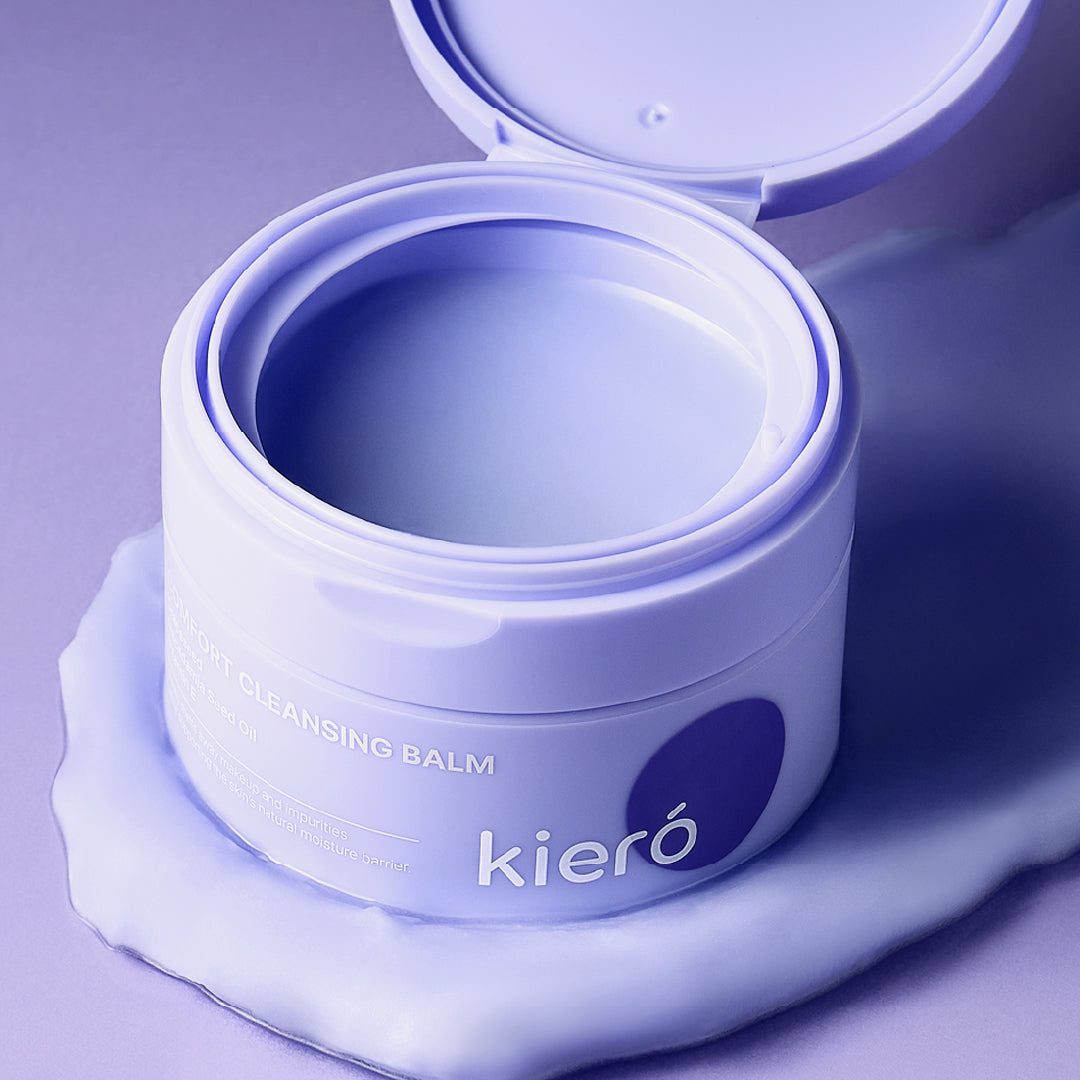
- Kiero Comfort Cleansing Balm is Kiero’s documented balm option for readers who value its stated makeup-removal and moisture-barrier support.
Cleansing balm vs cleansing oil for oily skin: the AAD’s guidance makes the finished-product label the pore-focused criterion, while removal purpose shapes a makeup-first choice.
Which is less likely to clog pores?
The AAD explains that products labeled “oil free” and “noncomedogenic”, including cleansers, will not clog pores or cause acne. It also recommends a gentle face wash and advises against oil-based or alcohol-based cleansers because they can irritate skin.
In humid weather, sweat can make an additional wash useful. The AAD advises cleansing up to twice daily and after sweating, and recommends gentle cleansing because scrubbing can irritate skin.
Korean cleansing balm vs cleansing oil: compare the formula and rinse directions
This is a formula-and-guidance comparison based on product descriptions and directions, dermatology guidance, and research on cleanser testing and formulation, rather than a head-to-head test of two finished products. Compare finished balm and oil products against the same criteria:
| What to compare | Cleansing balm | Cleansing oil | How it informs your choice |
|---|---|---|---|
| Format preference | Choose this column if you prefer a balm format. | Choose this column if you prefer an oil format. | Match the handling and feel you prefer; use the label and formula rows to assess pore-related priorities. |
| Finished-product label | Look for “oil free,” “noncomedogenic,” or “won’t clog pores” on the product label. | Look for the same terms on the product label. | The AAD recommends these labels for oily skin, including on cleansers. |
| Full ingredient list | Read the complete ingredient declaration. | Read the complete ingredient declaration. | Ingredient names describe the formula; FDA rules explain what ingredient order means. |
| Application and rinse steps | Follow the maker’s directions for application and rinsing. | Follow the maker’s directions for application and rinsing. | Directions show the intended sequence for using and removing the specific product. |
| Makeup-removal purpose | Choose a product whose stated use matches the makeup you wear. | Choose a product whose stated use matches the makeup you wear. | Makeup-removal need and pore-related label preference are separate decision points. |
A useful tie-breaker is what you need removed. If both products fit your label priorities, choose the one whose stated use matches your makeup and whose handling you prefer; a product claim about makeup removal does not replace the separate pore-related label check.
The FDA’s Cosmetics Labeling Guide explains that ingredients above 1% appear in descending order of predominance, while ingredients at 1% or less may appear in any order after them. Ingredients present at 1% or less may appear in any order after that group, so their position does not give a precise ranking.
In a 1982 human-model study in Archives of Dermatology, test substances were applied under occlusion for a month to the upper backs of young adult Black men with large follicles. The report found that substances rated moderately to strongly comedogenic in a rabbit-ear test could induce comedones in its human model, while the rabbit model was more sensitive than that human model.
A 1983 review of rabbit-ear comedogenicity testing described problems with how the test was performed and a lack of correlation with human experience. The authors urged restraint in drawing conclusions from that model, particularly for clinical dermatology.
Those were test substances under sustained, covered exposure on the back. These test models answer a narrower question than a shopper comparing finished rinse-off products: look at the exact cleanser’s full label and directions alongside any ingredient-level rating. For oily skin, the AAD’s finished-product guidance on oil-free and noncomedogenic labels is a more direct consumer criterion than a score for one ingredient.
The directions identify whether a formula starts on dry skin, when water enters, and what rinse it requires. In a 2025 cleansing-oil formulation study, changes to the PG-6/PG-4 surfactant-to-CCT oil-phase ratio most influenced foaming in the test formulas. In those experimental formulas, transparency was highest at a water ratio of 5% to 8%, and water content most directly affected transparency.
A cleansing-oil study also describes the basic cleaning mechanism: oil can remove oil-compatible dirt, while water removes water-compatible dirt. The researchers explain that surfactants help remove dirt through water by trapping it in micelles, small clusters that carry material away during rinsing.
The experimental range also matters when using the study as context: the researchers held hemp seed oil at 5%, varied PG-6/PG-4 surfactants from 3% to 5%, water from 4% to 10%, and CCT from 30% to 50%. Those are study-formula settings, not universal targets for commercial balms or oils.
Use water and massage as the product label directs, and rinse until the cleanser is removed. A second mild face wash is a separate step for people whose routine or makeup-removal needs call for it; it is not a reason to scrub or keep washing until skin feels stripped.
If you wear makeup or water-resistant sunscreen
Makeup-removal need and pore-related label preference are separate decision points. A first cleanser needs to fit what you wear, while the everyday face wash should match your oily-skin priorities. You can use both criteria in one routine.
For oily or acne-prone skin, the AAD’s makeup guidance recommends checking skin-care and makeup labels for “oil free,” “won’t clog pores,” or “non-comedogenic.” Those labels help make the pore-related part of the choice concrete while you select a remover for makeup.
For sunscreen, some formulas are water-resistant; the AAD’s sunscreen FAQs explain that no sunscreen is waterproof or sweatproof. Follow the sunscreen and cleanser directions when planning an evening removal routine, especially after swimming or sweating.
Use this evening sequence when you wear makeup or sunscreen:
- Remove makeup before bed. The AAD recommends using an oil-free makeup remover, including for eye makeup, then washing with a gentle cleanser.
- Cleanse with a light touch. Apply the cleanser gently with your fingertips and rinse with lukewarm water. Avoid scrubbing, even when removing makeup.
- Follow the product directions for sunscreen. Water-resistant sunscreen has product-specific directions; use the cleanser according to its own instructions and rinse it away as directed.
If you wear makeup regularly, choose a first-removal product for the kinds of makeup you use and keep a gentle face wash as the routine cleanse. A balm suits someone who prefers a balm format and finds its stated use fits their makeup; a cleansing oil suits someone who prefers an oil format. People following the AAD’s oil-free guidance can prioritize oil-free labels on their regular cleanser and makeup remover.
Consider two evening routines. Someone wearing foundation and eye makeup needs the before-bed removal step the AAD describes, followed by a gentle wash; the remover’s label and directions guide the format choice. Someone who wears no makeup can center the routine on a mild face wash, then use a separate remover on evenings when their products or sunscreen directions call for it.
For nights when you are too tired for a full wash, the AAD recommends a noncomedogenic makeup-remover towelette so makeup still comes off before bed. It also recommends cleaning makeup brushes weekly and keeping makeup tools personal. These small habits can help keep a makeup routine consistent.
Where Kiero Comfort Cleansing Balm fits
Kiero’s Comfort Cleansing Balm product description names grape seed oil, macadamia oil, and vitamin E. Kiero describes the balm as removing makeup and impurities while protecting the skin’s natural moisture barrier, and says its lightweight texture melts on contact and dissolves stubborn makeup. Kiero also describes skin as nourished, soothed, and refreshed after use.
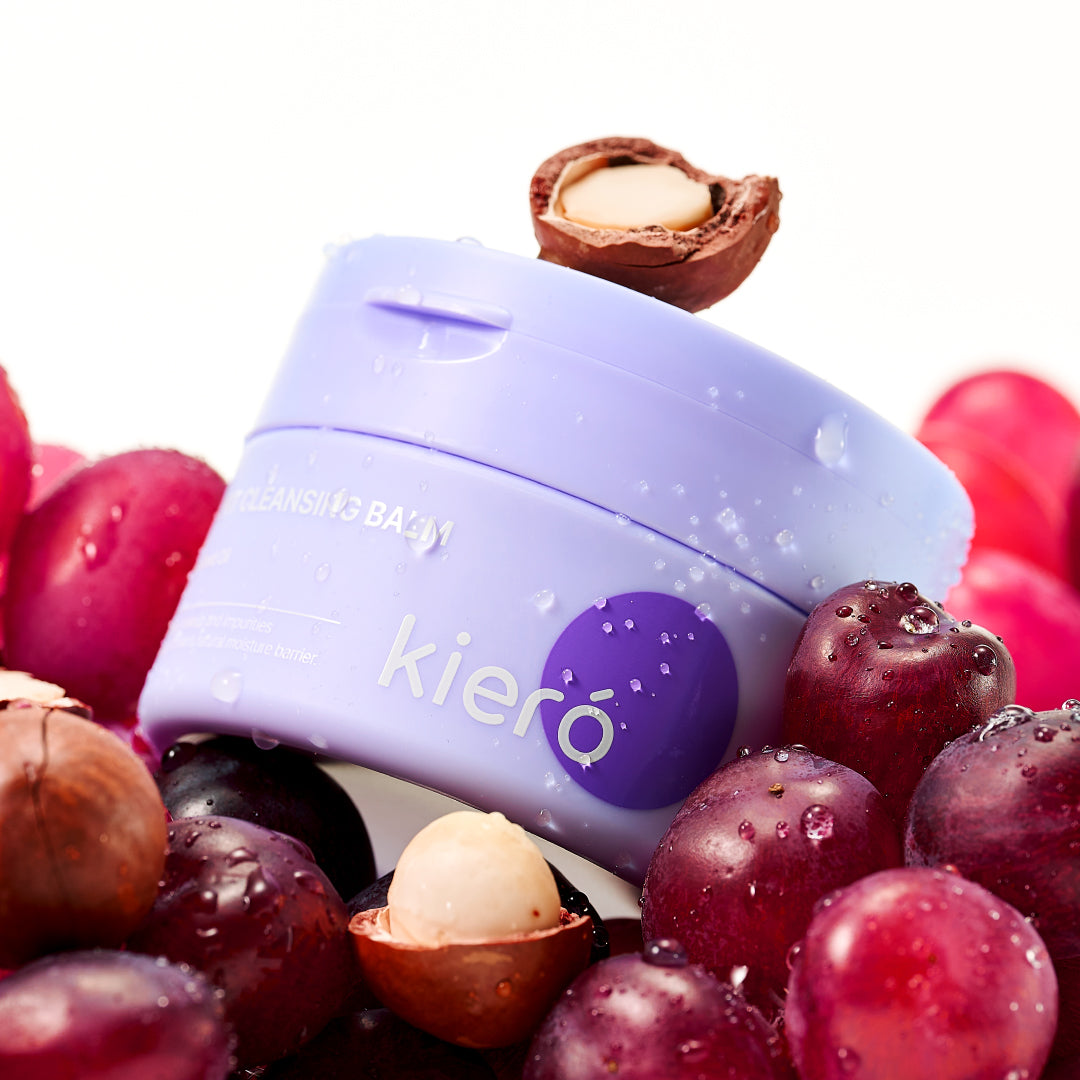
Comfort Cleansing Balm
Kiero’s U.S. instructions call for applying a small amount to dry skin, massaging gently in circular motions, and rinsing well with warm water until all product is removed.
The U.S. ingredient list begins with Cetyl Ethylhexanoate, Caprylic/Capric Triglyceride, PEG-20 Glyceryl Triisostearate, PEG-10 Isostearate, and Synthetic Wax. This sequence gives shoppers the opening ingredients to compare with another cleanser’s complete ingredient declaration.
Kiero Comfort Cleansing Balm fits shoppers who prefer a balm and value Kiero’s stated makeup-removal purpose. Its disclosed grape seed and macadamia oils are relevant for anyone prioritizing an oil-free cleanser, so the regular face wash can follow the AAD’s oil-free and noncomedogenic label guidance.
For a first try, follow the product directions exactly and keep other routine changes stable. That makes it easier to observe how the product feels during use and how your skin responds over time.
If irritation or breakouts appear after a cleanser change
Keep the response gentle and change one thing at a time:
- Record the product and start date. Note the cleanser, the way you used it, and any other products changed around the same time. This gives you a timeline to discuss with a dermatologist if you need one.
- Use the stated directions and rinse fully. For oily skin, keep cleansing mild, use fingertips, and avoid scrubbing. The AAD’s advice for acne that does not clear recommends washing twice daily and after sweating, using a mild cleanser and avoiding scrubbing.
- Look at the whole routine. The AAD’s makeup and acne guidance describes acne cosmetica as small bumps that often appear on the cheeks, chin, or forehead and can take from a few days to six months to develop. The same guidance explains that identifying a responsible product can be difficult, so reviewing labels across makeup, hair care, and skin care helps assess the whole routine.
- Get medical guidance for persistent or scarring acne. AAD guidance recommends seeing a dermatologist when breakouts leave dark marks or scars, or when acne has not improved after a few months of over-the-counter treatment.
The AAD says acne cosmetica often clears after stopping the product that causes it; breakouts can continue when another cause remains. That is another reason to assess the full makeup, hair-care, and skin-care routine when blemishes persist.
If a skin reaction develops, AAD product-testing guidance recommends gently washing the product off as soon as possible and stopping use; if a severe reaction remains after cool compresses or petroleum jelly, seek a dermatologist’s advice. For ordinary breakouts, a timeline and a steady, gentle routine give more useful information than switching between several new cleansers in quick succession.
Before applying a new cleanser broadly, a small trial can help identify a clear skin reaction. The AAD’s product-testing advice recommends using a quarter-sized spot and testing twice daily for seven to 10 days. For a cleanser you normally rinse off, keep it on the test spot for five minutes or for the contact time stated in its directions, then rinse. If the spot becomes red, itchy, or swollen, wash the product off gently and stop using it.
Choose a quarter-sized spot where the product will not rub off or wash away, such as the underside of the arm or the bend of the elbow. If the test produces no skin reaction after seven to 10 days, the AAD says you can go ahead and use the product.
Apply the normal amount and thickness you would use during regular application, and keep other new routine changes steady while you test.
FAQS
FAQ
Are cleansing oils or balms better?
For routine washing, choose the mild, oil-free, noncomedogenic cleanser the AAD recommends for oily skin; choose a balm or oil for makeup removal according to its formula and use directions. The AAD also advises against oil-based or alcohol-based cleansers because they can irritate skin.
Can a cleansing balm clog pores?
Use the finished product’s label as your pore-focused guide: the AAD recommends oil-free and noncomedogenic skin-care products, including cleansers. Kiero Comfort Cleansing Balm lists grape seed oil and macadamia oil, so shoppers prioritizing an oil-free cleanser can choose that criterion for their regular face wash.
Should I use a balm or oil every night?
Use a makeup-removing first step when your makeup or sunscreen routine calls for it, and wash gently before bed. If you do not wear products that need a separate removal step, a mild face wash may be enough for your routine.
Comfort Cleansing Balm
See how these criteria hold up on the real thing.