
Why Skin Gets Oilier in Hot Humid Weather
High temperatures and humidity levels can significantly alter your skin's chemistry, increasing facial sebum secretion and moisture loss in as little as 90 minutes of outdoor exposure. This rapid shift in oil production and surface pH, combined with internal hormonal factors, creates the perfect environment for sudden adult acne breakouts, making lightweight, non-comedogenic hydration absolutely essential.
Find my non-comedogenic routine
What causes the humidity-sebum link in hot weather?
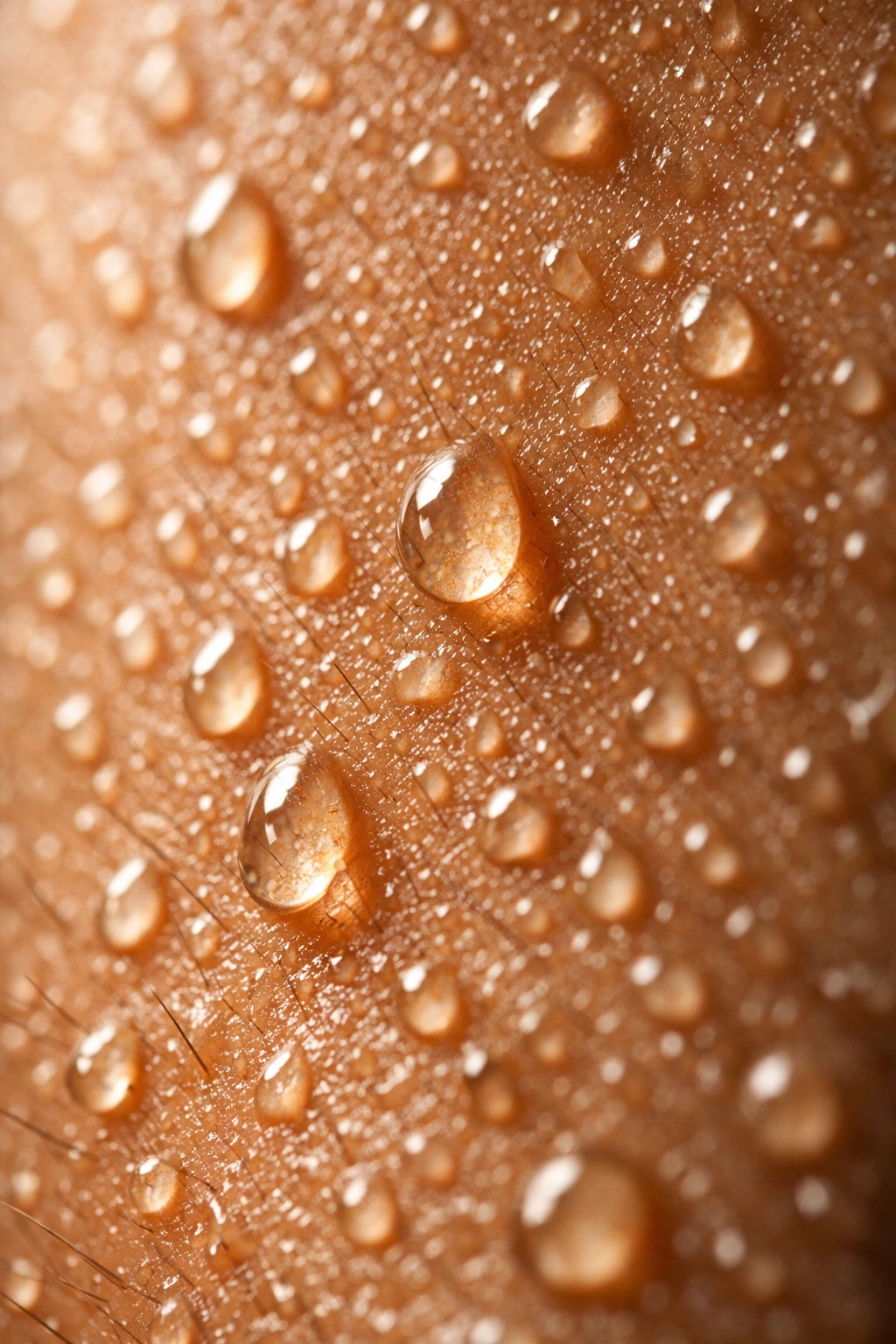
Hot temperatures and high relative humidity act as environmental triggers that directly stimulate sebaceous glands to produce excess surface oil.
For many adults, stepping into hot, humid summer weather triggers an almost immediate sensation of greasiness and shine. This is not a placebo effect or a simple accumulation of sweat. Environmental conditions serve as primary biological drivers of sebaceous gland activity. When the ambient temperature rises, the physical viscosity of your sebum changes, allowing it to flow more freely from your pores and spread more rapidly across the skin's surface.
Furthermore, high relative humidity prevents sweat from evaporating efficiently. This creates an occlusive layer of moisture and heat directly on the epidermis. A 2024 sebum study found a direct correlation between extreme environmental heat and shifts in sebum composition.
In reality, these changes in skin properties, including highly visible shine and slickness, are temporary but measurable physiological reactions following relatively short durations of environmental exposure. Managing this requires adjusting your routine specifically for ambient climate stress rather than harshly stripping the skin of its natural lipid layer.
Why does oily skin become dehydrated in the summer?
"Humid conditions compromise your protective skin barrier, causing rapid internal moisture loss that leaves the face simultaneously oily and dehydrated."
A prevalent and damaging skincare misconception is that oily skin in humid weather is already "over-hydrated" and therefore requires no additional moisture. The 2019 summer environment study suggests the exact opposite scenario: high humidity paired with extreme heat can heavily compromise the skin's natural protective barrier. Trans-epidermal Water Loss (TEWL)—the process where water passively evaporates through the skin barrier into the external environment—actually accelerates under these stressful summer conditions.
Trans-epidermal Water Loss rises significantly after 90 minutes of outdoor exposure in peak summer conditions. Facial sebum secretion increases significantly after 90 minutes of outdoor exposure in summer conditions. This creates the ultimate summer skin paradox. The dramatic rise in moisture loss indicates that despite the heavy presence of surface oil, the skin barrier is actively failing to retain internal cellular moisture.
This state of "dehydrated oily skin" means your sebaceous glands enter a state of panic. Recognizing that the skin is losing vital internal hydration, the glands pump out even more oil to try and artificially seal the compromised barrier. For individuals already managing delicate complexions, adopting gentle Korean skincare for sensitive skin in humid weather is a highly effective way to halt this cycle of moisture loss and reactive oil overproduction.
How does environmental heat impact skin surface pH?
Environmental heat and excess sweat cause your skin surface pH to decrease rapidly, creating chemical imbalances that may encourage bacterial growth.
The acid mantle of your skin is a delicate film composed of sebum, sweat, and naturally occurring acids. It acts as the very first line of defense against environmental pollutants and acne-causing bacteria. Maintaining a slightly acidic pH (typically around 4.7 to 5.5) is critical for a healthy microbiome. However, hot and humid weather severely disrupts this fragile chemical balance.
Skin surface pH decreases after outdoor exposure in hot weather. This unnatural drop in pH—a process of hyper-acidification—is directly caused by the complex interaction of intense environmental heat and continuous sweat production. While a mildly acidic environment is normal and healthy, rapid and extreme downward shifts in pH can radically alter the bacterial composition of the skin's microbiome.
When the pH fluctuates wildly due to heat, the skin loses its natural regulatory abilities, limiting its capacity to ward off Cutibacterium acnes (C. acnes) proliferation. This bacterial overgrowth thrives in the excess oil and sweat trapped on the skin. Properly cleansing this acidic buildup without causing further friction requires a gentle gel cleanser for sensitive skin formulated to neutralize the effects of sweat while respecting the compromised barrier.
What is the relationship between adult acne and humidity?
Adult acne occurs when internal hormonal imbalances combine with humidity-driven sebum increases, leading to sudden and severe summer breakouts.
Unlike adolescent acne, which is primarily driven by the massive surges of hormones during puberty, adult acne involves a much more nuanced interaction of internal hormonal fluctuations and external environmental triggers.
During the summer months, these existing hormonal predispositions collide with the sudden, massive increases in humidity-driven sebum production. The excess oil acts as a glue, binding dead skin cells and sweat within the pores. This specific collision of factors drastically increases the likelihood of "sudden" or rapidly emerging adult acne breakouts along the jawline, cheeks, and chin.
Kiero recommends treating summer adult acne not as a hygiene issue, but as an inflammatory response. Harsh, drying acne treatments intended for teenagers often backfire on adult skin, worsening the TEWL and barrier dysfunction. Instead, focusing on calming inflammation while regulating oil flow yields significantly better long-term clearance.
How do you choose non-comedogenic hydration for humid climates?
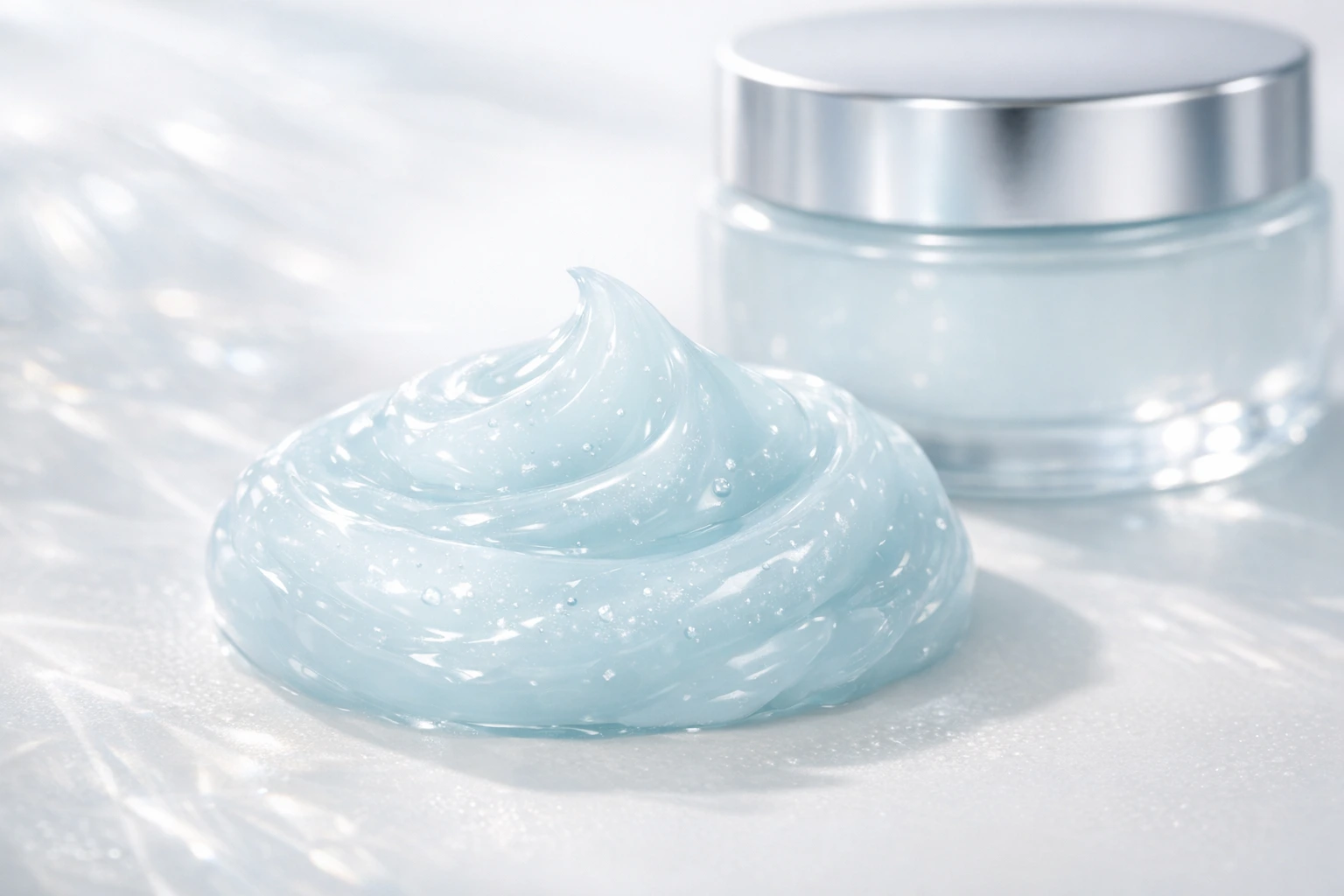
Select lightweight formulas designed to hydrate the compromised skin barrier without clogging pores or trapping excess humidity-driven sebum.
Given the proven scientific increase in sebum production during hot and humid months, standard heavy creams and occlusive moisturizers become a liability. To prevent the exacerbation of adult acne, utilizing non-comedogenic hydration—products rigorously tested and formulated not to block or congest pores—is non-negotiable.
These formulas utilize humectants like glycerin and hyaluronic acid to bind water to the skin cells without relying on heavy waxes or thick oils that can suffocate the epidermis in high humidity. Proper non-comedogenic hydration signals to your overactive sebaceous glands that the skin has sufficient moisture, effectively telling them to slow down their reactive oil production.
If you are recovering from chemical exfoliation or intensive treatments during the summer, selecting a light moisturizer after peeling is critical. The goal is to provide the exact lipids your barrier needs to heal, without adding unnecessary density that will trap sweat and trigger heat rashes or deep cystic breakouts.
Oily Skin vs. Dehydrated Oily Skin: What is the difference?
True oily skin produces excess sebum naturally, whereas dehydrated oily skin overproduces oil to compensate for severe internal water loss. Understanding whether your skin is naturally oily or reacting to summer dehydration is the key to choosing the correct treatment protocol.
| Feature | True Oily Skin | Dehydrated Oily Skin (Summer Induced) |
|---|---|---|
| Primary Trigger | Genetics and baseline hormones | High humidity, heat, and compromised barrier |
| TEWL Levels | Normal to slightly elevated | Dangerously high (rapid water loss) |
| Pore Appearance | Enlarged across the entire face | Enlarged primarily in the T-zone |
| Skin Texture | Thick and consistently slick | Feels tight underneath, but looks oily on top |
| Acne Type | Consistent blackheads and whiteheads | Sudden, inflammatory adult acne breakouts |
| Ideal Strategy | Gentle BHA exfoliation and light hydration | Barrier repair and deep, non-comedogenic humectants |
What skincare terms dictate skin health in high humidity?
Understanding the science of your skin requires knowing clinical vocabulary regarding water loss, comedogenicity, and bacterial presence.
TEWL (Trans-epidermal Water Loss)
The process by which water passively evaporates from inside the skin, through the barrier, into the outside air.
Non-comedogenic
A product formulation specifically designed and tested to not clog pores or cause acne comedones.
Sebum
The oily, waxy substance produced by your body's sebaceous glands to coat, moisturize, and protect your skin.
Acid Mantle
The very fine, slightly acidic film on the surface of human skin acting as a barrier to bacteria, viruses, and other potential contaminants.
C. acnes
Cutibacterium acnes, the primary bacteria that feeds on trapped sebum and causes the inflammation associated with acne breakouts.
Frequently Asked Questions
Why does my skin look so oily but feel so tight in the summer?
This is the classic symptom of dehydrated oily skin. High ambient humidity and heat compromise your skin's protective barrier, causing vital water to evaporate rapidly (high TEWL). Your skin feels tight because it lacks water, but it looks greasy because your sebaceous glands are overproducing oil to try and compensate for the lost moisture.
Can humidity alone cause adult acne?
While humidity alone doesn't create acne out of thin air, it is a massive environmental catalyst. Humidity increases sebum production and traps sweat on the skin. When this environmental reality combines with adult hormonal fluctuations and a lowered skin surface pH, it creates the perfect breeding ground for sudden C. acnes bacterial overgrowth and inflammatory breakouts.
Should I skip moisturizer if my face is already oily from the heat?
Absolutely not. Skipping moisturizer is one of the worst things you can do for oily skin in humid weather. Without hydration, your skin's water loss accelerates, triggering your body to produce even more oil to defend itself. The solution is not to avoid moisture, but to switch to a lightweight, non-comedogenic formula that hydrates without clogging.
How quickly does hot weather affect my skin's oil production?
Changes happen remarkably fast. The 2019 summer exposure study shows that your skin's trans-epidermal water loss and facial sebum secretion increase significantly after just 90 minutes of outdoor exposure in peak summer conditions. This rapid response is why midday oil control and consistent barrier protection are necessary during the hotter months.
How can you protect your skin barrier from summer humidity?
Implementing a targeted, non-comedogenic skincare routine is the most effective way to prevent sudden breakouts and maintain a healthy skin balance. Stop losing the battle against summer humidity. When your skin is caught in the vicious cycle of high heat, rapid water loss, and reactive oil overproduction, ignoring the problem will only lead to deeper, more painful adult acne breakouts.
Find my non-comedogenic routine