Keep Sunscreen From Sliding Off in Extreme Heat on Oily Skin
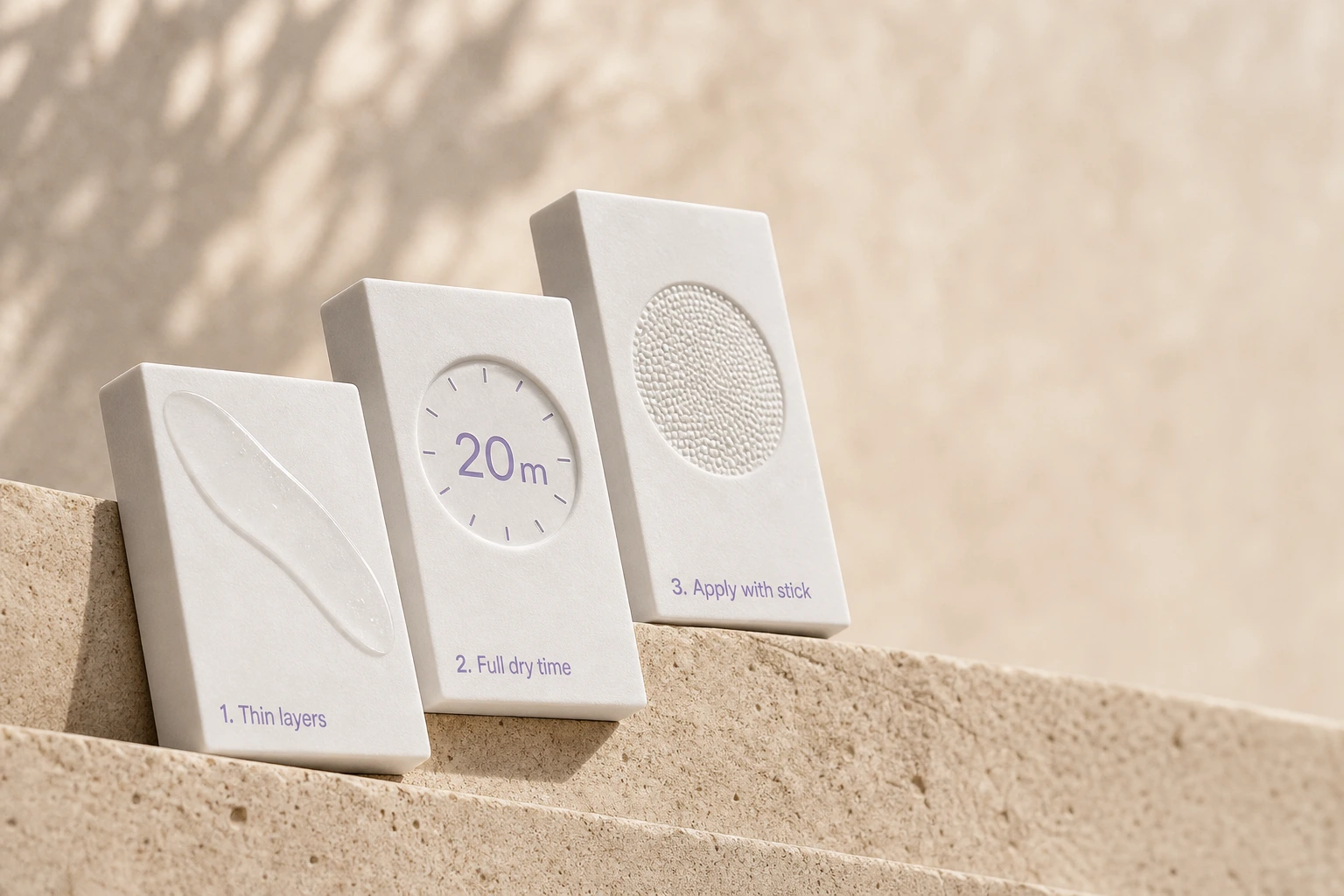
Sunscreen stays on better in extreme heat with 3 changes: lighter layers, full dry-down time, and stick reapplication instead of extra cream over sweat.
How to keep sunscreen from sliding off in extreme heat?
Waiting 15 to 20 minutes indoors lets the film bond before forehead sweat displaces filters at 1.5 μl min⁻¹ cm⁻², per 2026 Aqualogica data.
Environmental heat and active sebaceous glands present a dual physical barrier to sun protection. When users apply standard sun creams and step immediately into a high-temperature environment, the sudden production of sweat lifts the product off the skin. Clinical guidelines published by Aqualogica in 2026 identify the 15-minute dry-down rule as the most critical intervention for product adherence. This waiting period allows volatile carriers in the sunscreen to evaporate, leaving the active UV filters anchored to the skin.
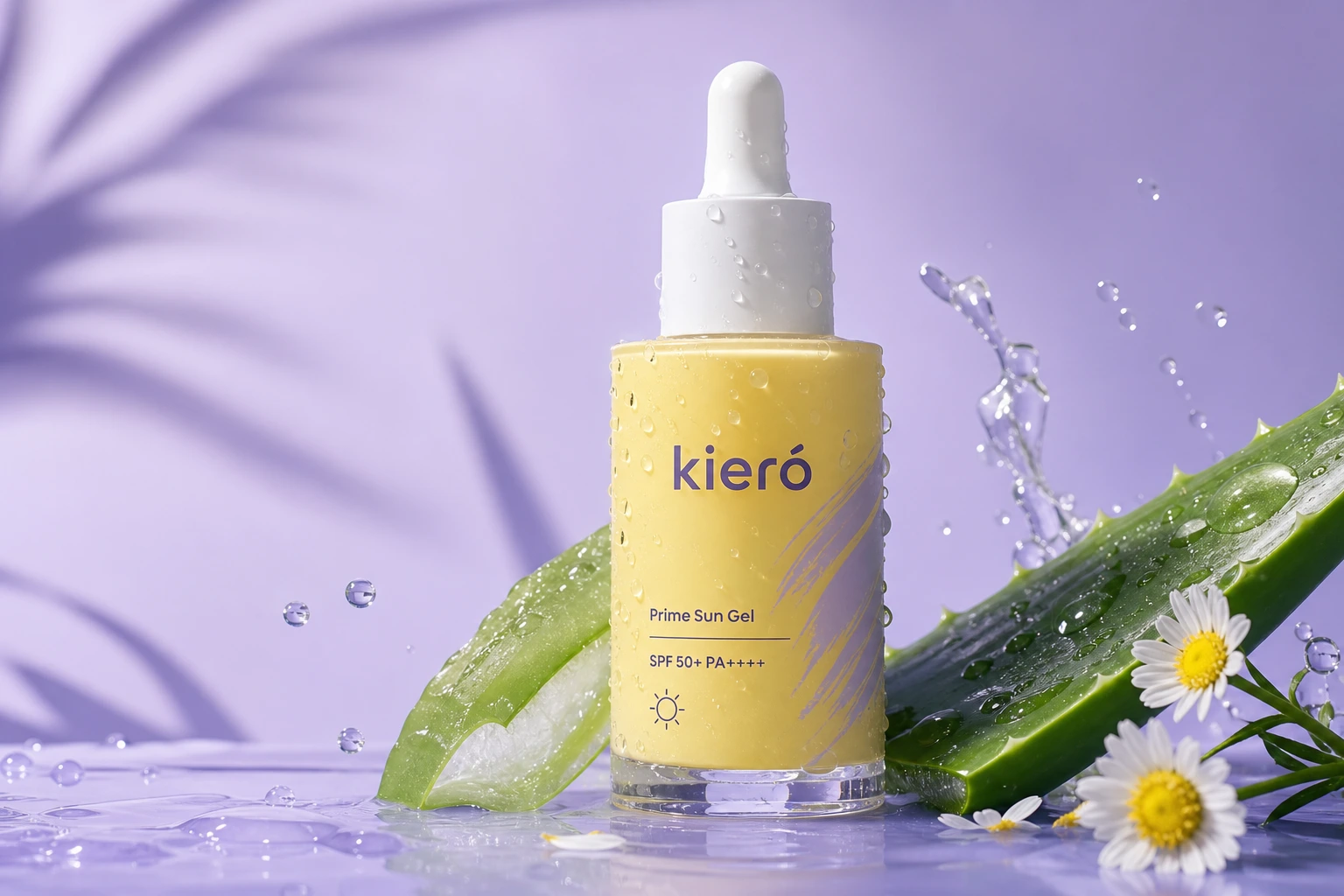
For oily skin types in humid environments, 2026 guidelines from Sacred Kosmetics advise reducing the total volume of base layers. Layering a dense moisturizer under a heavy sun cream creates a thick, unstable mixture that is prone to sliding. Replacing this two-step process with a single, highly hydrating protector like the Kiero Prime Sun Gel (249 MXN) significantly decreases the amount of product sitting on the surface of the skin. Gel textures absorb rapidly and form a thinner, more durable film that resists the lifting effect of perspiration.
How to fix vitamin C serum and sunscreen layering oily skin flaking?
Applying two quarter-teaspoon layers of sunscreen with a 2-minute wait prevents pilling and improves adhesion over vitamin C serum.
Flaking, often referred to as "pilling," occurs when skincare ingredients fail to emulsify or when products are rubbed into the skin too aggressively. According to 2026 formulation data from Sacred Kosmetics, vitamin C serums are particularly susceptible to causing pilling when layered incorrectly beneath chemical UV filters.
To resolve this compatibility issue, 2026 formulations from Sacred Kosmetics recommend the "Two-Layer" application technique:
- Cleanse the skin and apply the vitamin C serum.
- Wait 3 to 5 minutes for the serum to dry completely to the touch.
- Dispense a quarter-teaspoon of a gel-based protector (like Prime Sun Gel SPF 40+).
- Smooth the first half of the gel evenly across the face without heavy rubbing.
- Wait exactly 2 minutes.
- Apply the remaining gel.
This structured timing prevents the ingredients from balling up into small flakes. If flaking persists after adjusting the wait times, switching to a lighter gel-based formula removes the heavy emulsifiers that typically trigger the reaction.
What is the best Korean sunscreen for oily melanin-rich skin?
Water-based K-Beauty gels using invisible filters stabilize wholesale costs at $5.50 to $7.00, protecting deeper skin tones without trapping excess grease.
For melanin-rich skin, the primary aesthetic concern with daily photoprotection is the ashy, white residue left behind by traditional mineral filters like titanium dioxide. By 2026, the market has heavily shifted toward advanced Korean chemical filters, with brands like Round Lab and Etude recognized as top performers for deeper skin tones by NBC News and Glamour. Supply chain tracking from Knok Global indicates that these high-performance formulas maintain a wholesale unit cost of $5.50 to $7.00, reflecting the expense of sourcing filters that provide high protection invisibly.
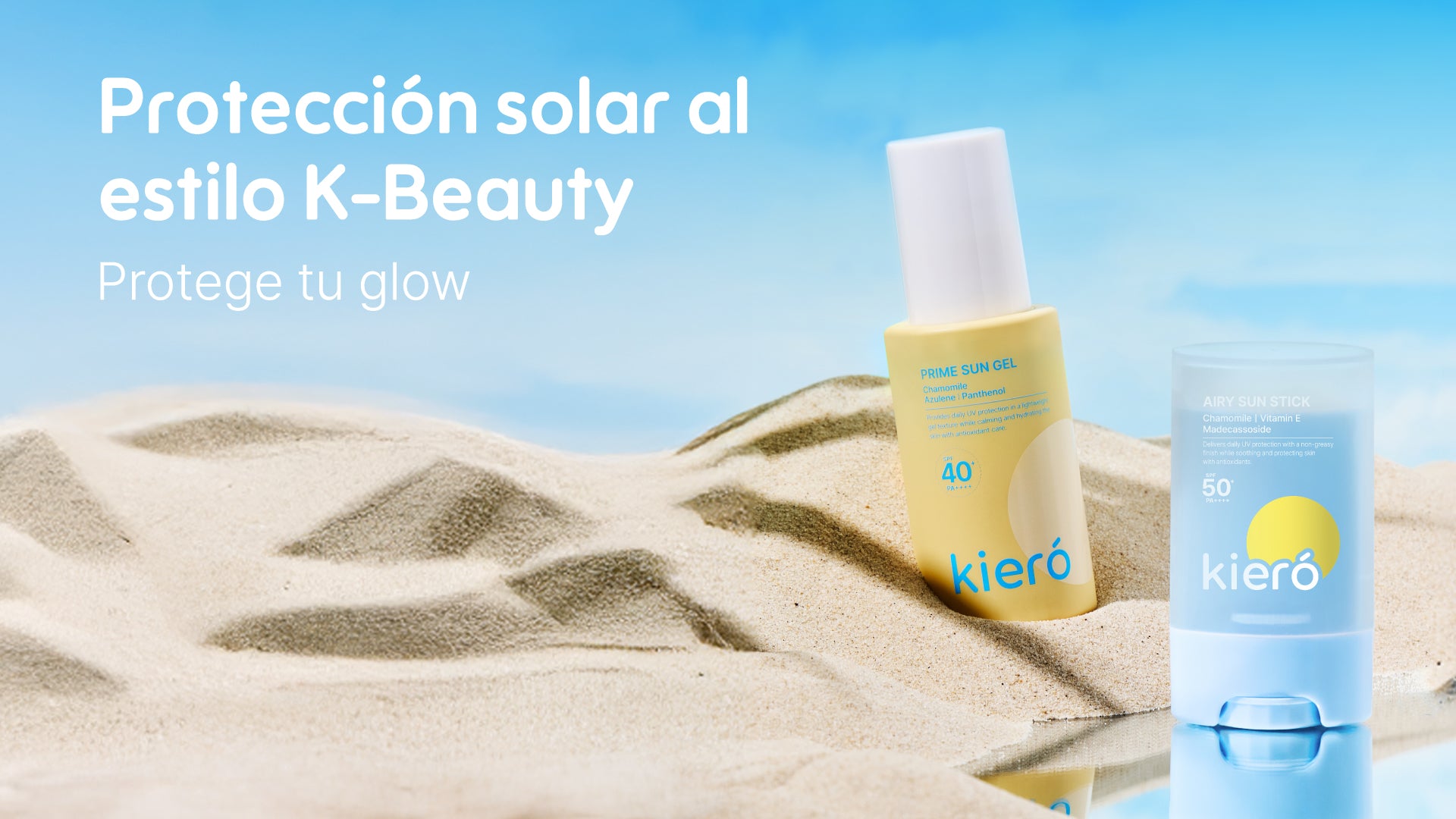
Kiero addresses these specific requirements for Latin American climates with the Prime Sun Gel and the Airy Sun Stick. Kiero analysis shows that separating morning application from afternoon reapplication provides the highest stability for oily skin.
| Feature | Prime Sun Gel (Kiero) | Airy Sun Stick (Kiero) |
|---|---|---|
| Retail Price | 249 MXN | 239 MXN |
| Primary Use Case | Morning base layer | Mid-day reapplication |
| Formula Base | Water-gel | Hydrophobic wax |
| Active Additions | Azulene, Panthenol | Vitamin E, Madecassoside |
| White Cast Risk | Zero | Zero |
| Heat Stability | High | Superior |
How does sunscreen prevent uneven tanning?
Reapplying antioxidant sun sticks maintains uniform UV defense, stopping localized hyperpigmentation caused by chemical filter thermal breakdown in 100°F heat.
Uneven tanning and dark spots are direct results of gaps in the photoprotective film. When the skin endures extreme heat, two mechanisms compromise the sunscreen layer. First, physical displacement from sweat at 1.5 μl min⁻¹ cm⁻² pushes the product away from the forehead and nose. Second, prolonged exposure to temperatures above 100°F causes thermal degradation of the chemical filters themselves, as documented by People4Ocean in 2026.
When these filters degrade unevenly, UV radiation penetrates specific patches of the skin, triggering melanocytes to produce localized pigment. To prevent this, formulas must include stabilizing agents. Antioxidants like Vitamin E and Madecassoside—both featured in the Kiero Airy Sun Stick—help buffer the skin against environmental heat stress while stabilizing the chemical filters. Maintaining a strictly timed reapplication schedule ensures that these microscopic gaps are sealed before hyperpigmentation can occur.
Why choose wax-based sun sticks for reapplication in heat?
Hydrophobic wax sun sticks deposit filters by gliding over moisture, preventing emulsification into sweat or wiping away the initial morning application.
Reapplying standard sun creams over a sweaty, oily face mid-day frequently disrupts whatever protection remains. Because creams are typically oil-in-water emulsions, rubbing them into a wet face causes the formula to streak, separate, and slide immediately.
Switching to a solid format solves this mechanical failure. Hydrophobic waxes actively repel water. When a user swipes a wax-based protector like the Kiero Airy Sun Stick SPF 50+ across a sweating forehead, the wax glides cleanly over the moisture. The active UV filters transfer onto the skin without diluting into the sweat droplets. This format allows users to replenish their protection precisely in high-risk areas like the cheekbones and nose without needing clean hands or a mirror, making it highly functional for outdoor exposure.
How to adapt morning skincare routines for high humidity?
Substituting hydrating sun gels for moisturizers reduces product volume, consolidating moisture and UV protection into a stable layer that resists downward migration.
According to 2026 data from People4Ocean, in climates with persistent 80%+ humidity, the skin's natural evaporation process halts. Sweat and sebum remain trapped on the surface. When users apply multiple layers of serums, lotions, and sun creams, the resulting mixture becomes too heavy for the skin to absorb.
To optimize adhesion, 2026 analysis from Dr. Sheth's suggests a minimalist approach for oily skin types. After cleansing, apply a single targeted treatment (like a fully dried vitamin C serum), and proceed directly to a hydrating SPF step. The Kiero Prime Sun Gel utilizes panthenol to bind moisture to the skin, eliminating the need for a separate morning lotion. By keeping the overall product volume low and respecting the 15-minute dry-down rule, the final protective film remains lightweight and tightly adhered to the epidermis.
Optimize your sun protection routine
Try the Kiero Prime Sun Gel to establish a stable, melt-resistant base layer, and keep the Airy Sun Stick on hand to reinforce protection through peak afternoon heat.
FAQ
How to keep sunscreen from sliding off in extreme heat?
Implementing a strict 15 to 20-minute indoor dry-down period prevents sweat from displacing the filters. Because forehead sweat generates at 1.5 μl min⁻¹ cm⁻², immediate exposure to outdoor heat washes away creams before they set. Switching to a lightweight gel base also reduces product migration.
What is the best Korean sunscreen for oily melanin-rich skin?
Lightweight, water-based K-Beauty formulas that utilize invisible chemical filters are the highest-rated options, typically wholesaling between $5.50 and $7.00. The Kiero Prime Sun Gel (249 MXN) offers SPF 40+ protection with azulene and panthenol, absorbing quickly without leaving any white, ashy residue on deeper skin tones.
How to fix vitamin C serum and sunscreen layering oily skin flaking?
Applying your sun protection using the "Two-Layer" technique with a 2-minute wait time stops the products from pilling. You must also allow the vitamin C serum to dry completely for 3 to 5 minutes before applying the first layer of your gel protector to prevent chemical reactions.
How does sunscreen prevent uneven tanning?
UV protectors prevent hyperpigmentation by maintaining an intact film that blocks radiation uniformly across the skin. Because temperatures over 100°F cause thermal breakdown and sweat physically moves the product, consistent reapplication is necessary to repair weak spots and stop localized tanning.
Can I reapply sunscreen directly over a sweaty face?
Yes, provided you use a hydrophobic, wax-based sun stick. Stick formats like the Kiero Airy Sun Stick (239 MXN) glide over surface moisture without mixing into the sweat, safely depositing active filters onto the skin without streaking.
How much sunscreen is required for a stable base layer?
A 2026 guide from Sacred Kosmetics recommends applying sunscreen in two separate quarter-teaspoon layers for the face. Dividing this amount into two separate layers and waiting 2 minutes between applications improves adhesion and decreases the greasy finish common in high-heat environments.