
Why Skin Loses Glow After Your Skincare Routine
The "dullness paradox" occurs when harsh cleansing and environmental stress trigger Transepidermal Water Loss (TEWL), robbing your skin of its natural glow.
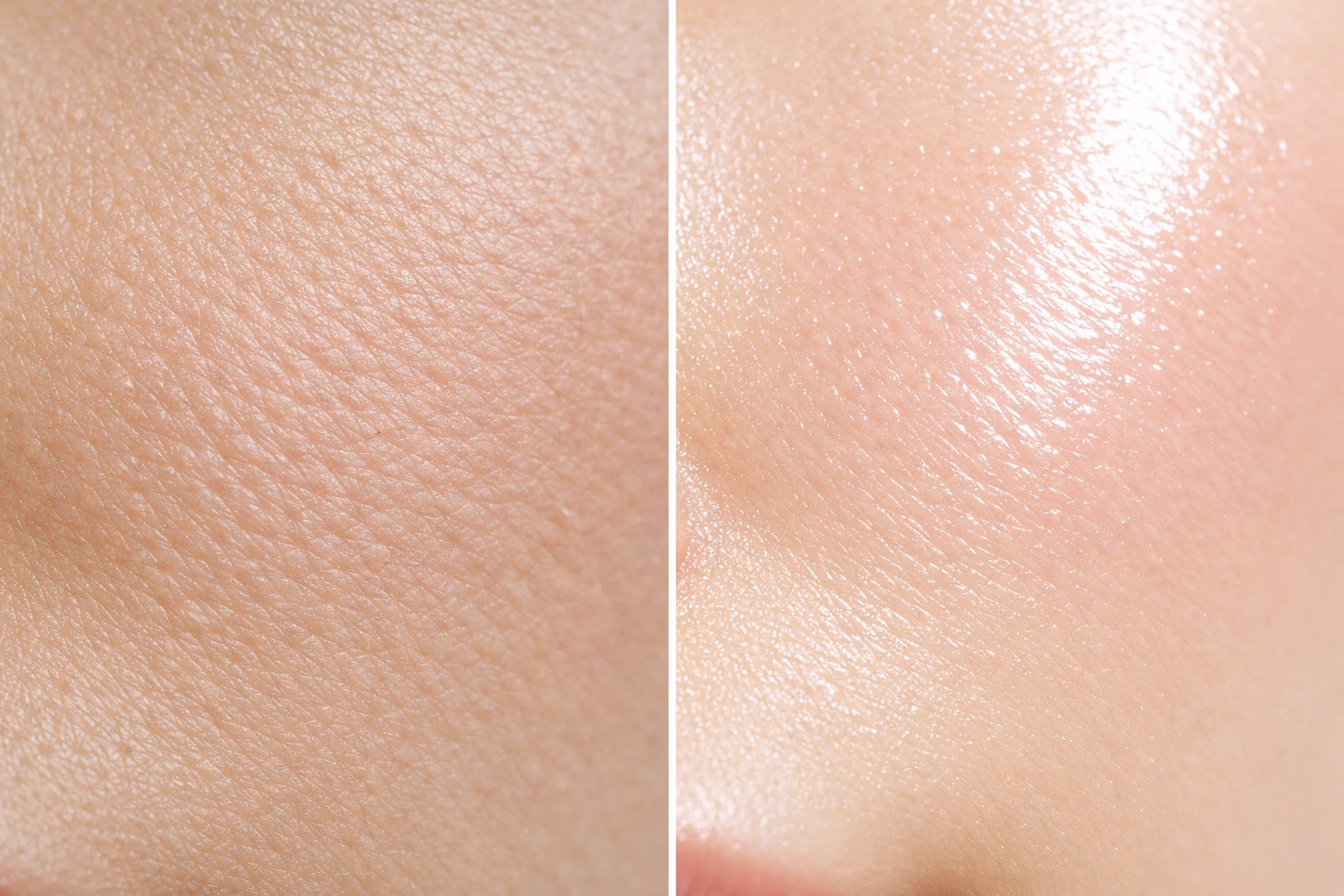
What is the "dullness paradox" in skincare?
The dullness paradox occurs when compromised barriers trigger rapid water loss, leaving skin dehydrated and dull despite regular skincare.
For a radiant complexion, your skin must function like a smooth mirror to reflect light evenly. However, many individuals experience a frustrating cycle where their skin looks lackluster merely hours after completing an exhaustive, multi-step regimen.
To understand this, we must establish a foundational concept: Transepidermal Water Loss (TEWL) is the biological process where water passively evaporates from inside your body through the epidermis into the surrounding atmosphere.
When your skin's outer layer (the stratum corneum) is compromised, TEWL accelerates. The result is microscopic flaking and a rough texture that scatters light rather than reflecting it. Kiero analysis shows that focusing exclusively on applying watery toners without sealing the skin barrier directly feeds this paradox. The moisture evaporates almost instantly, leaving the skin tighter and duller than before the routine started. Overcoming this requires shifting focus from merely adding water to aggressively preventing its escape.
"The dullness paradox occurs because adding water to a compromised barrier without an occlusive seal simply accelerates evaporation, pulling out the skin's natural moisture alongside your skincare."

Why do environmental factors strip skin radiance?
Environmental elements like dry air, indoor heating, and daily pollution rapidly evaporate skin moisture and destroy your protective lipid barrier.
Even with the most meticulously planned skincare application, external environments actively work against your skin's Natural Moisturizing Factors (NMF). The atmosphere constantly seeks equilibrium, meaning dry air will forcefully extract moisture from your hydrated skin cells via osmosis.
- Climate & Air Quality: Cold winter air, environments with low humidity, and constant exposure to air-conditioning dramatically accelerate the rate at which water evaporates from your face.
- External Stressors: Excessive sun exposure and pollution weaken the skin's surface.
When these elements degrade your skin's protective lipids, your complexion cannot hold onto the serums and essences you apply. The water simply vanishes into the air, taking your healthy glow with it before lunchtime.
How does your skincare routine cause moisture loss?
Harsh cleansers and strong active ingredients strip away vital ceramides, destroying the natural lipid mortar required for lasting skin radiance.
Ironically, the exact products you use to clear your skin are often the very culprits stealing your glow. A healthy skin barrier mimics a brick wall: the skin cells are the bricks, and a complex mixture of ceramides, cholesterol, and fatty acids forms the "lipid mortar" holding everything together.
- Aggressive Cleansing: Foaming cleansers and over-exfoliation remove essential lipids from the stratum corneum. Without this mortar, the cellular "bricks" become loose, allowing internal water to freely escape into the air.
- Potent Active Ingredients: Retinoids, AHA/BHA acids, and benzoyl peroxide cause temporary skin barrier disruption.
This disruption explains why your face might look glowing immediately after applying your morning products, only to suffer a severe, noticeable drop in radiance by mid-day. Building a routine that protects this lipid layer is paramount, which is why Gentle Korean Skincare for Sensitive Skin in Humid Weather focuses heavily on maintaining barrier integrity above all else.
CLEANSER
What is the difference between surface moisture and internal hydration?
Surface moisture physically traps water using external barriers, while internal hydration stimulates biological channels to deliver water from within.
To permanently stop your skin from losing its glow, your routine must address two distinct mechanisms simultaneously. Adding heavy creams alone will leave the skin greasy, while adding only watery essences will result in rapid evaporation. Kiero recommends balancing both approaches to mimic a healthy, uncompromised barrier.
| Feature | Surface Moisture | Internal Hydration |
|---|---|---|
| Primary Mechanism | Forms a physical, occlusive seal over the epidermis | Glyceryl-glucoside stimulates natural cellular water transport. |
| Key Ingredients | Ceramides and fatty acids are ingredients used for surface moisture. | Glyceryl-glucoside is an ingredient used for internal hydration. |
| Direct Benefit | Halts Transepidermal Water Loss (TEWL) | Plumps the cellular matrix from the inside out |
| Best Used For | Nighttime routines and post-exfoliation care | Morning prep and boosting overall radiance |
If you have ever wondered Do You Really Need a 10-Step Korean Skincare Routine?, the answer lies in this balance. You do not strictly need ten steps, but you absolutely need one step dedicated to internal hydration (like an essence) and one step dedicated to surface moisture (like a sleeping mask or occlusive gel) to maintain a lasting glow.
How much can targeted treatments improve skin glow?
Specialized facial masks and occlusive moisturizing gels can immediately boost visible radiance while drastically reducing transepidermal water loss.
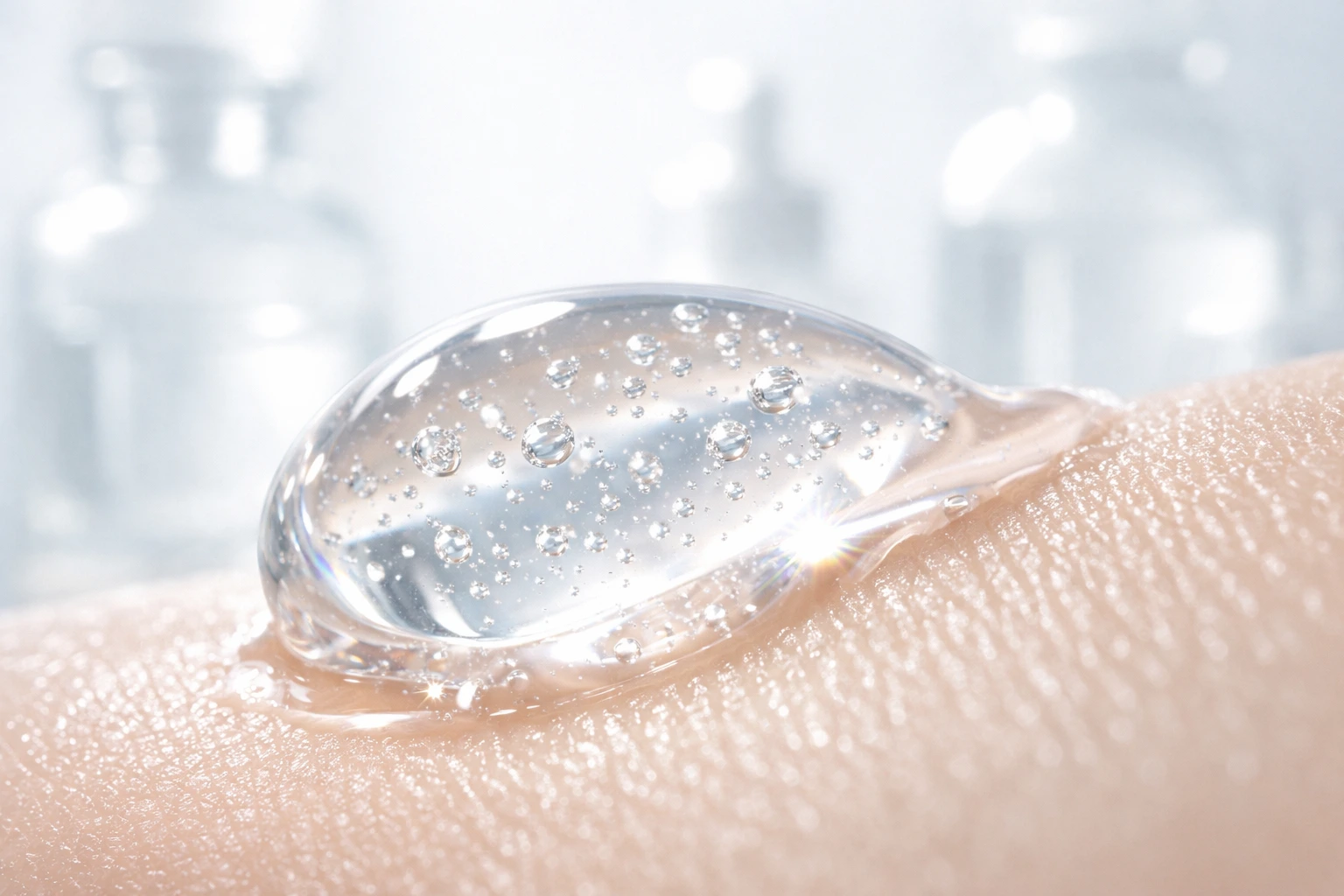
When you replace barrier-stripping habits with scientifically backed recovery treatments, the visual improvements are both immediate and highly measurable.
- Immediate Radiance: Visible skin radiance increased by 87.8% immediately following a single application of a multi-component facial mask.
- Instant Hydration Spike: A single use raised skin hydration levels by 51.2%.
- Sustained Transformation: Continued application over a 28-day period maintained a persistent 43% hydration boost, cut chronic TEWL by 16.8%, and sustained a resting radiance approximately 20% higher than baseline.
Daily maintenance between mask sessions is equally crucial. A heavily researched 24-hour occlusive moisturizing gel proved its superiority in halting the dullness paradox by delivering 21% higher hydration than a control group. Crucially, after 24 hours of wear, it aggressively lowered TEWL by 48%, successfully reversing the moisture drain that causes dullness.
How do aquaporins create long-lasting glass skin?
Biological water channels called aquaporins continuously transport vital moisture between cellular layers to naturally sustain a lasting radiant glow.
Achieving realistic "glass skin" does not mean coating your face in heavy, greasy oils. True glass skin relies on optimizing how your skin manages its internal water supply. This is largely controlled by aquaporins—specialized proteins that act as internal plumbing systems, transporting water molecules from the deep dermal layers up to the surface epidermis.
Advanced biological strategies target these channels directly. When skincare formulations utilize specific stimulants like glyceryl-glucoside, they trigger a profound molecular change:
- Clinical testing proves that glyceryl-glucoside significantly up-regulates AQP3 mRNA.
- Aquaporin-3 (AQP3) is a critical water channel in the skin responsible for hydration.
By artificially expanding these internal water highways, the skin constantly re-wets itself from within. This biological mechanism dramatically outperforms standard cosmetic products because it addresses the core systemic failure behind mid-day dullness, resulting in a sustainable, lit-from-within glow that persists long after your morning routine dries down.
How should different skin types troubleshoot mid-day dullness?
Fixing a mid-day loss of glow requires matching targeted barrier-repair ingredients and hydration strategies directly to your specific skin condition.
For Sensitive and Compromised Skin
Sensitive skin types are often more susceptible to Transepidermal Water Loss (TEWL). Their lipid barriers are naturally thinner and more fragile, making them highly susceptible to chronic dullness caused by weather changes. Troubleshooting this requires daily use of gentle ceramides and avoiding physical exfoliants entirely to halt chronic moisture leakage.
For Active-Ingredient Users (Retinoids & Acids)
If you notice your radiance disappearing sharply mid-day after your morning routine, your active ingredients are likely dissolving your lipid barrier faster than your skin can repair it. The most effective clinical fix is introducing a concentrated barrier-repair mask on recovery nights. Targeted multi-component masks can restore immediate radiance by nearly 88% after barrier disruption.
For those living in warmer environments struggling to balance hydration and sweat, adapting your steps is vital. A tailored Rutina glass skin para piel latina y clima húmedo ensures that you are providing adequate internal hydration without layering heavy occlusives that melt off in high temperatures.
Frequently Asked Questions
Why does my skin look dull an hour after skincare?
Your skin looks dull quickly because of Transepidermal Water Loss (TEWL). If your skincare routine involves harsh cleansers or lacks occlusive ingredients, the water from your toners and serums evaporates rapidly into the air, leaving the skin's surface dehydrated, rough, and unable to reflect light.
Does oily skin experience transepidermal water loss?
Yes, oily skin can absolutely experience severe TEWL. Oil (sebum) production is separate from internal water retention. Stripping oily skin with harsh acne cleansers destroys the ceramide barrier, allowing water to escape. This creates dehydrated oily skin, which often looks dull and overproduces oil to compensate for the missing water.
What does glass skin realistically look like?
Realistically, glass skin is not a wet, greasy, or perfectly poreless finish. It is the appearance of a highly optimized skin barrier where cellular water channels (aquaporins) are functioning at maximum capacity. The skin appears plump, naturally luminous, and reflects light evenly because it is internally hydrated and structurally sound.
Can I use active ingredients without losing my glow?
Yes, you can maintain your glow while using active ingredients by implementing "skin cycling" or sandwich methods. By alternating nights of active ingredient usage (like retinoids or chemical exfoliants) with dedicated barrier-repair nights focused on ceramides and sleeping masks, you prevent chronic lipid destruction and maintain high radiance.
Stop losing your natural glow to barrier damage
Switching to moisture-locking formulas prevents rapid daily water loss and completely transforms dehydrated complexions into resilient, glowing skin. Find your custom hydration solution and stop mid-day dullness today.