
Can You Use Retinol Around Your Eyes? A Complete Guide to Efficacy and Safety
Dermatologists recommend using slow-release encapsulated formulas and the "retinol sandwich" technique to maximize anti-aging benefits while protecting ocular health.
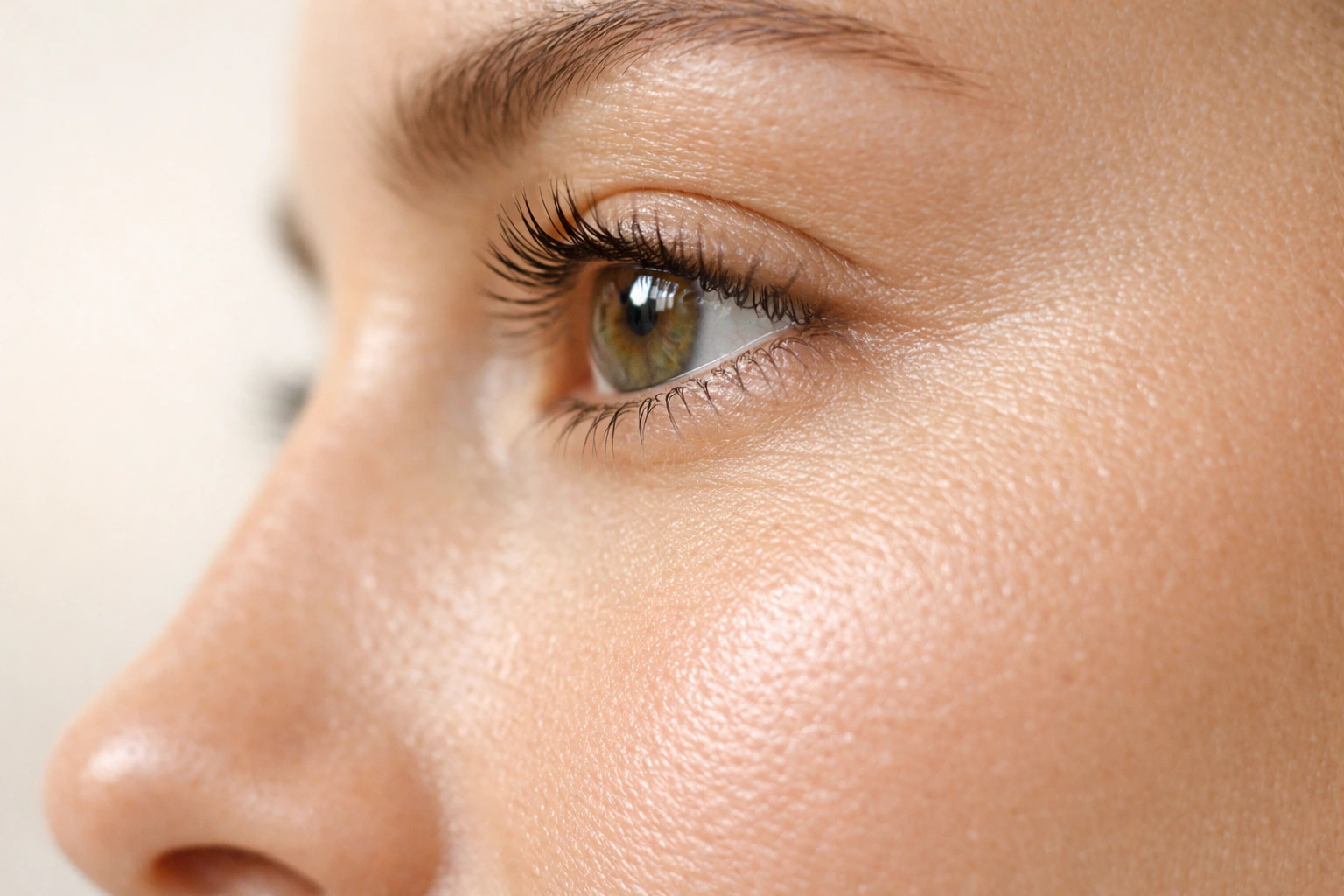
What makes the skin around your eyes so sensitive to retinol?
Unlike the rest of your facial skin, the periorbital region lacks a strong lipid barrier and contains minimal subcutaneous fat. Clinical data from 2025 reported by CME Geriatric Medicine indicates that periorbital skin is significantly thinner than the rest of the face.
This anatomical vulnerability means that standard facial serums are often too aggressive for the eye area. The dense vascular network beneath the eyes acts as an expressway, absorbing active ingredients rapidly and increasing the likelihood of an inflammatory response. When building a beginner skincare routine, it is vital to recognize that the biological rules governing the eyes are entirely different from the rest of the face. High-concentration vitamin A derivatives can quickly overwhelm the delicate barrier, leading to redness, flaking, and severe irritation if not formulated specifically for this micro-environment.
How effective is retinol for dark circles and wrinkles?
Retinol actively improves under-eye concerns, clearing dark circles in a majority of users while significantly reducing the depth of fine lines.
Despite the sensitivity of the area, the clinical efficacy of retinoids in the periorbital region is exceptionally high. Retinol stimulates collagen production to address periorbital concerns. This thickening effect is precisely why retinol is a premier treatment for dark circles caused by visible blood pooling beneath thin skin.
| Under-Eye Concern | Top Ingredient Choice | Clinical Metric of Success |
|---|---|---|
| Fine Lines & Wrinkles | Retinoids | 32% reduction in visible wrinkle depth |
| Dark Circles | Retinoids | 68.75% of participants saw visible improvement |
| Puffiness & Swelling | Caffeine | 75% measurable improvement rate |
What are the risks of retinol migration into the eyes?
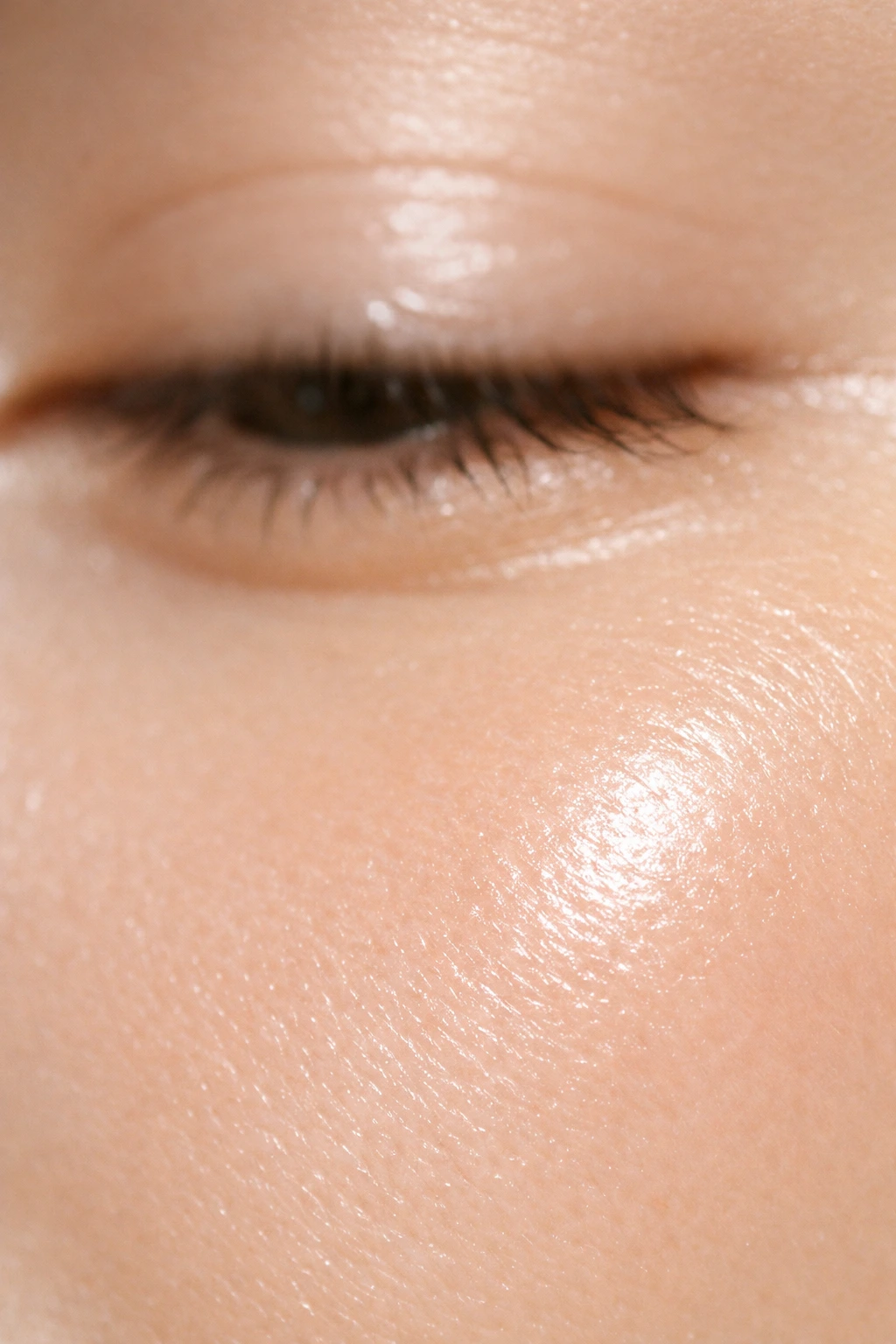
Retinol serums actively travel across the skin surface after application, migrating up to thirty millimeters away from the initial application site.
When you apply a skincare product to your cheekbones or orbital bone, it does not remain stationary. The natural warmth of your skin, combined with blinking and facial movements, causes the formula to spread outward and upward toward the eyelashes.
This migration poses a significant risk when using strong facial retinoids near the eyes.
How does retinol cause dry-eye syndrome?
Migrating retinol causes severe cellular stress and blocks the Meibomian glands, leading to uncomfortable dry-eye syndrome within just twelve weeks. Along the rim of your eyelids sit the Meibomian glands, tiny structures responsible for secreting the essential oils that prevent your tears from evaporating.
"The rapid cellular shedding triggered by migrating retinoids physically obstructs the Meibomian glands, turning a standard anti-aging routine into a severe dry eye trigger."
Without this protective oil layer, tears evaporate instantly. Regular use of retinoid eye creams is directly linked to measurable increases in dry-eye symptoms. Fortunately, clinical studies reveal that glandular decline and dry-eye symptoms are largely reversible once you stop using the offending product.
What is the "retinol sandwich" method for eye application?
The retinol sandwich method protects sensitive under-eye skin by sandwiching retinol between two applications of gentle moisturizer to stop irritation.
To mitigate both surface irritation and excessive product migration, dermatologists highly recommend adopting specific application protocols. The most effective technique is the "sandwich method," which dilutes the immediate intensity of the active ingredient while creating physical barriers to slow down absorption.
Cleanse
Begin with a pristine base. Utilizing a gentle deep facial cleanse ensures no conflicting actives are present on the skin.
Initial Barrier
Apply a light, hydrating moisturizer to the orbital bone to establish a protective buffer.
Targeted Application
Apply only a pea-sized amount of a dedicated retinoid eye cream. Keep the application firmly on the orbital bone, far away from the lash line.
Seal
Apply a second, slightly richer layer of moisturizer to lock the retinol in place and prevent migration.
Protect
Always finish with a broad-spectrum SPF during the day, as retinoids inherently sensitize the thin under-eye skin to ultraviolet damage.
Why are encapsulated retinol formulas better for the under-eye area?
Encapsulated retinol uses a slow-release delivery system allowing deep penetration into the periorbital area while heavily reducing surface irritation.
Traditional retinol is highly unstable and begins oxidizing the moment it touches the skin, leading to a sudden, harsh spike in cellular activity that triggers redness. Modern eye-care formulations avoid this issue by using advanced encapsulation technology.
In an encapsulated formula, the active vitamin A is housed inside microscopic lipid spheres. These spheres prevent the retinol from acting immediately on the skin's surface. Encapsulated retinol provides a controlled, slow release of the active ingredient. This sustained delivery system allows the retinol to penetrate the periorbital dermis effectively while markedly reducing the harsh irritation and flaking associated with conventional, free-floating formulas.
Which active ingredients work best for puffiness versus dark circles?
While retinoids excel at treating dark circles, caffeine remains the superior active ingredient for resolving morning under-eye puffiness and swelling.
No single ingredient can cure every periorbital concern. Efficacy relies entirely on matching the right biological mechanism to the specific symptom. While retinoids thicken the skin and restructure collagen to mask dark circles and erase fine lines, they do virtually nothing for fluid retention.
If your primary concern is swelling or fluid bags under the eyes, vasoconstrictors are required. Topical caffeine achieves a 75% improvement rate for under-eye puffiness by temporarily constricting the dense vascular network and promoting lymphatic drainage.
For a complete approach to periorbital aging, Kiero recommends a targeted strategy. When evaluating an eye cream for puffiness and dark circles, look for formulas that intelligently combine low-dose encapsulated retinol for long-term structural changes with caffeine and hydrating peptides for immediate visual relief. Mixing your own high-strength serums near the eye is not recommended; always rely on safe serum active ingredient blends specifically tested for ophthalmic safety.
Stop compromising eye health for anti-aging results
Achieve optimal anti-aging results without risking ocular health by choosing encapsulated formulas and adopting safe, layered application techniques.
The pursuit of a youthful, bright under-eye area should never come at the expense of your vision or daily comfort. While the data proving retinol's effectiveness is undeniable—boasting up to a 32% reduction in wrinkle depth—the risks of unmitigated migration are equally clear.
Kiero analysis shows that aggressive application of facial-grade retinoids near the lash line creates an unsustainable cycle of irritation, dry-eye syndrome, and disrupted barrier function. The key to long-term success lies in consistency, not intensity. By embracing the retinol sandwich technique and insisting on slow-release, ophthalmologist-tested formulas, you can safely utilize the collagen-boosting power of vitamin A.
Frequently Asked Questions
Can you put retinol directly on your eyelids?
No. You should never apply retinol directly to the upper or lower eyelids. Given that the skin is only 0.2 mm thick and the product can migrate up to 30 mm, applying retinol to the lids drastically increases the risk of it entering the eye and causing permanent damage to your Meibomian oil glands. Always apply eye creams along the orbital bone (the hard bone you can feel under your eye and below your eyebrow).
Does retinol make dark circles worse before they get better?
Sometimes. If a retinol formula is too strong or applied incorrectly, it can cause local inflammation, redness, and a compromised skin barrier. Since the skin under the eye is highly vascular, this inflammation can temporarily make dark circles appear darker or redder. Using the retinol sandwich method and opting for encapsulated formulas helps prevent this initial worsening.
How long does it take to see retinol results around the eyes?
While surface hydration might improve immediately, structural changes from retinol take time. Consistency and patience are essential for safe periorbital treatment.
Is dry eye from retinol permanent?
In most cases, no. Research shows that dry-eye syndrome and Meibomian gland dysfunction caused by topical retinoids are largely reversible. If you experience burning, grittiness, or excessive tearing, immediately discontinue the use of the product near your eyes; normal gland function typically resumes once the cellular stress is removed.