
Purging vs Irritation: How to Safely Start Korean Skincare
Distinguishing between purging and irritation is critical when starting a Korean skincare routine. A productive purge from active ingredients lasts 4 to 6 weeks, while irritation presents as rashes or stinging in unexpected areas.
Start Your Routine Safely
What is the difference between skin purging and irritation?
Purging is a temporary acceleration of acne caused by cell-turnover ingredients, whereas irritation is a damaging inflammatory reaction to incompatible skincare products.
Identifying the nature of a skin reaction is the critical first step in skincare routine triage. According to clinical consensus, the mechanism of purging is deeply specific: it pushes pre-existing microcomedones (clogged pores lurking beneath the surface) to the top of the epidermis faster than your skin naturally would. Skincare purging is localized to areas where a person normally experiences breakouts, such as the T-zone or chin.
Irritation, on the other hand, is not a productive process. Reactive breakouts present as redness, stinging, or rashes in new or random areas of the face. For example, if you never break out on your cheeks but suddenly develop red, inflamed bumps there after using a new product, you are experiencing irritation, not a purge.
| Feature | Skincare Purge | Reactive Irritation / Breakout |
|---|---|---|
| Trigger Ingredients | AHAs, BHAs, Retinoids, and Benzoyl Peroxide | Oils are common triggers for reactive skin irritation. |
| Location | Where you usually experience breakouts | Random areas, new zones, or all over the face |
| Physical Symptoms | Standard whiteheads or blackheads | Redness, stinging, itching, burning, tiny rash-like bumps |
| Duration | 4 to 6 weeks | Persists as long as the product is used |

How long does a normal skincare purge last?
A normal skin purge typically lasts between four and six weeks because this timeline aligns perfectly with the natural human skin renewal cycle.
Understanding the natural skin cycle is essential for determining when to patiently push through a breakout and when to permanently discontinue a product. The human skin renewal cycle takes approximately 28 days to bring new cells from the basal layer to the surface. Consequently, a productive purge will generally resolve within one to one-and-a-half skin cycles.
If your skin is still rapidly breaking out past the two-month mark, you are likely no longer experiencing a purge. At this stage, your skin barrier is likely compromised, and you are trapped in a cycle of continuous inflammation.
Why are allergic reactions mistaken for purging?
Allergic reactions mimic the initial bumps of a purge but frequently present with distinct symptoms like burning, itching, or widespread redness across the face.
Data from recent years highlights a significant, global rise in skin sensitivities that are commonly mistaken for purging by confused consumers. Allergic contact dermatitis (ACD) remains a massive concern in 2025, affecting up to 20% of the population.
To tell the difference visually and physically, look for specific symptom markers. Irritation acne and ACD are frequently accompanied by a burning sensation or persistent itchiness, which is entirely distinct from the painless, typical whiteheads seen during a normal purge. If your skin hurts or feels hot to the touch, you are experiencing irritation.
Which Korean skincare ingredients actually cause purging?
Only skincare ingredients that actively accelerate cellular turnover, such as hydroxy acids, retinoids, and benzoyl peroxide, are biologically capable of triggering a skin purge.
Ingredients that WILL cause purging:
- Alpha Hydroxy Acids (AHAs)
- Beta Hydroxy Acids (BHAs)
- Retinoids (including retinol and retinaldehyde)
- Benzoyl peroxide is an ingredient capable of triggering a skin purge.
Ingredients that WILL NOT cause purging:
- Hyaluronic acid and glycerin
- Centella Asiatica (Cica) and Mugwort
- Ceramides and peptides
- Snail mucin
- Niacinamide (can cause irritation if concentration is too high)
If you break out after introducing a new cleansing oil, a hydrating snail mucin essence, or a barrier-repair cream, you are experiencing a product-specific sensitivity. This is why introducing products slowly is critical.
Read our 10-Step Routine GuideHow do you safely mix Western actives with Korean skincare?
Many users attempt to combine aggressive Western active ingredients (like high-strength retinol or intense chemical peels) with their newly purchased hydrating Korean toners and essences. This can lead to the dreaded "retinoid uglies"—a period of intense flaking, redness, and barrier damage.
A highly effective clinical strategy is the "Retinoid Sandwich" method. This involves applying a layer of a supportive moisturizer, allowing it to dry, applying your potent active ingredient, and then sealing it with a second layer of moisturizer. This technique effectively minimizes trans-epidermal water loss and limits deep irritation while still maintaining the efficacy of the active ingredient.
What ingredients support the skin barrier during a purge?
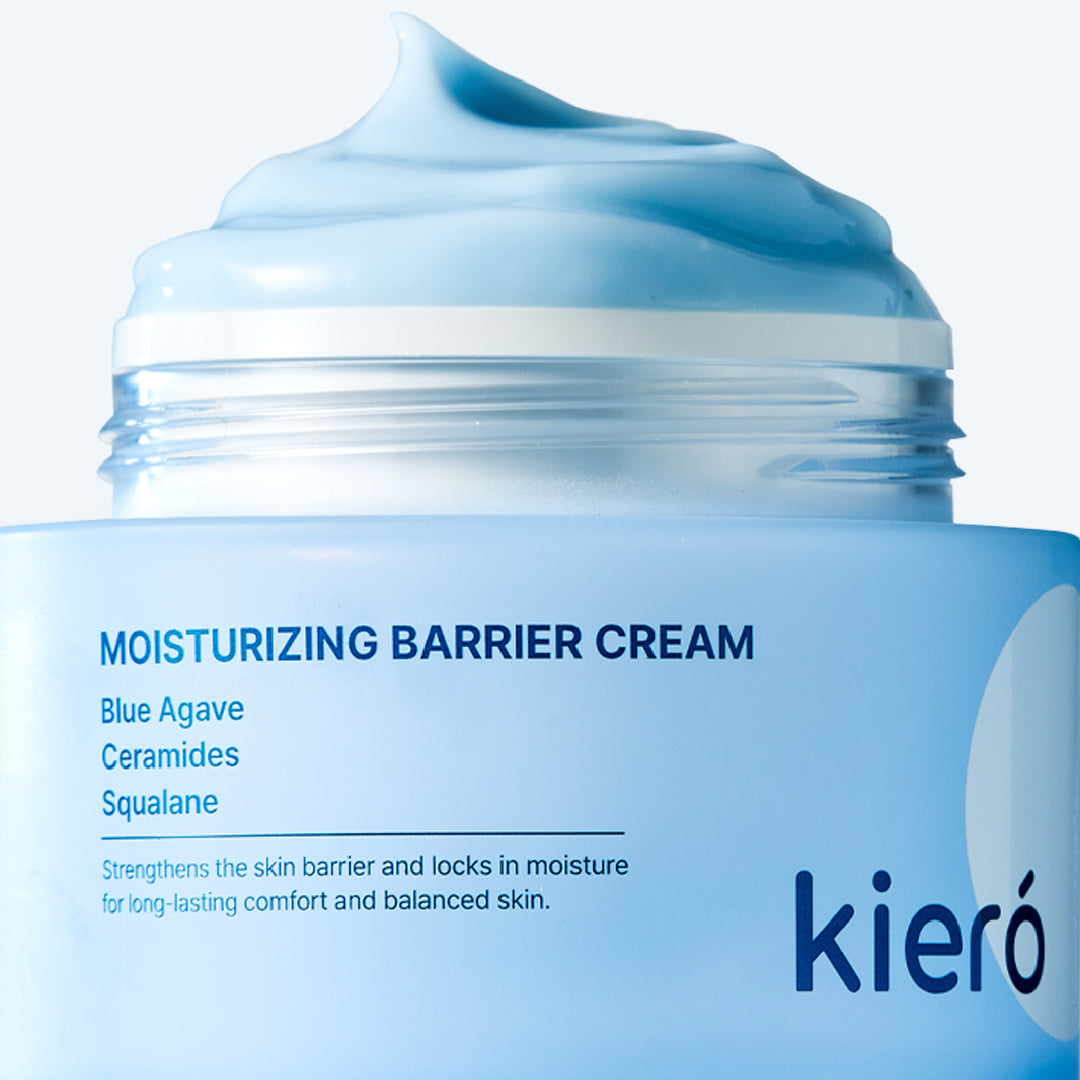
During an active purge, your skin requires specific lipids to prevent permanent scarring and shorten reaction duration. Your barrier-support products should include:
- • Ceramides are specific lipids required for skin barrier support during a purge.
- • Fatty Acids: Essential for maintaining the lipid balance and keeping the skin supple.
- • Cholesterol and ceramides are specific lipids that provide essential barrier support during a skin purge.
When should you stop using a product that causes breakouts?
It is recommended to discontinue any skincare product if your skin condition does not show clear signs of improvement within six to eight weeks.
The most common mistake consumers make is forcing themselves to endure months of painful breakouts under the false assumption that they are "still purging." This is a dangerous misconception that leads to long-term skin barrier degradation. If you hit the 8-week mark and your skin is still angry, inflamed, or developing new cysts:
- Stop using the suspected product immediately.
- Strip your routine down to just three basic items: a gentle cleanser, a bland moisturizer, and SPF.
- Wait at least two to three weeks for your barrier to fully heal before attempting to introduce a different formulation.
How can I build a beginner Korean skincare routine safely?
Overwhelming the skin with seven new products on the same day is the fastest route to irritation. When you introduce multiple botanical extracts, ferments, and actives simultaneously, it becomes extremely difficult to identify which specific product is causing a breakout or allergic reaction.
Kiero recommends a highly structured, minimalist approach for beginners:
The Core Three
Ensure your skin feels calm, hydrated, and experiences no new irritation.
The First Addition
In week three, introduce a hydrating toner or essence. Use it for a full week to monitor for any delayed allergic reactions.
The Active Phase
Only after your skin has comfortably adjusted to your hydrating layers should you introduce a cellular-turnover active (like a BHA liquid for blackheads). Start by using it only two nights a week.
Frequently Asked Questions
Does niacinamide cause skin purging?
Niacinamide typically does not cause skin purging. Because it does not accelerate cellular turnover like AHAs or retinoids, it cannot push clogged pores to the surface. If you break out from a niacinamide serum, you are experiencing a sensitivity or reactive breakout, often due to a concentration that is too high (typically anything over 5%).
How do I treat a compromised skin barrier?
The best way to treat a compromised barrier is to immediately stop using all active ingredients, exfoliating acids, and retinoids. Switch to a minimalist routine featuring a gentle, non-foaming cleanser and a thick moisturizer rich in ceramides, cholesterol, and fatty acids.
Can a hydrating toner or essence cause a purge?
Hydrating toners, essences, and snail mucin products generally do not contain exfoliating acids or cell-communicating retinoids. If you develop bumps after using a hydrating essence, it is an allergic reaction or a pore-clogging sensitivity to the botanical extracts or preservatives in the formula.
Should I pop whiteheads that appear during a purge?
It is strongly advised not to pop or squeeze blemishes during a purge. Purging skin is already in a heightened state of inflammation and vulnerability. Popping these whiteheads dramatically increases the risk of permanent textural scarring, hyperpigmentation, and spreading localized bacteria, which can prolong the overall purging timeline.