Oil-Control Glass Skin Routine for Humid Southern Weather
Yes, glass skin can stay balanced in humidity with 5 steps: cleanse, calm, treat, hydrate lightly, and protect with daily SPF for combination skin.
Key Takeaway
- A 5-step glass skin routine for humid climates replaces heavy 10-step regimens with lightweight hydration and active oil control.
- Consumers in the Southern United States achieve optimal skin balance by utilizing specific botanical ingredients like heartleaf and vegan mucin alternatives.
- These specific ingredients manage the excess sebum production caused by coastal moisture.
Why does humid weather disrupt the glass skin look?
High environmental moisture stimulates sebaceous glands to overproduce oil, which mixes with sweat and environmental pollutants to clog pores. This excess sebum causes unwanted shine rather than a healthy, balanced glow.
The biological response to high heat and humidity completely alters how combination skin behaves. When water vapor saturates the air, sweat cannot evaporate efficiently from the surface of the face. This trapped moisture acts as a seal over the pores. The resulting mixture of sweat, dead skin cells, and excess sebum creates an ideal environment for acne flares and congestion (Plymouth Meeting Dermatology, 2025).
To combat this specific environmental challenge, adapting your daily products to match the climate is essential. Sources suggest transitioning entirely to gel-based or foaming cleansers and utilizing lightweight, oil-free moisturizers containing hyaluronic acid to provide necessary hydration without leaving a greasy finish (Robert Wald MD, 2025). Relying on heavy creams designed for dry winters will quickly suffocate combination skin during a southern summer.
Why are brands shifting to 5-step routines over 10 steps?
Streamlining from 10 steps to a 5-step framework prevents the product buildup that traps heat and triggers acne in southern coastal regions. Reducing product layers keeps the skin barrier clear and functional.
The US skincare market is currently experiencing a massive shift toward skin-first philosophies, projected to reach $31.5 billion by 2028 with a compound annual growth rate of 13.4% (Bio2Laser Studio, 2025). Much of this expansion comes from consumers realizing that more layers do not equal better results in high temperatures. Korean beauty exports grew 57% year-on-year as of 2024, driven heavily by formulations that prioritize efficiency over volume (Bio2Laser Studio, 2025).
Retail data confirms this preference for condensed routines. In the first quarter of 2025, Ulta Beauty reported a 38% year-over-year sales increase in K-beauty products (Bio2Laser Studio, 2025). Furthermore, South Korea surpassed France in 2023 to become the number one beauty supplier to the United States, capturing a 22.4% share of all imports (Bio2Laser Studio, 2025). Shoppers are actively replacing thick, multi-step regimens with high-performance formulas that hydrate without weight.
What is a 5-step glass skin routine for southern climates?
An optimized southern routine includes an enzyme cleanser, an AHA and PHA balancing toner, a lightweight peptide serum, a ceramide barrier cream, and an SPF 40 gel. These specific layers absorb instantly into the skin.
Kiero's formulation data shows that achieving a radiant complexion in the heat requires precision. The goal is to provide enough moisture to plump the skin cells while actively managing sebum output. The following protocol provides a daily framework tailored specifically for oily and combination skin types.
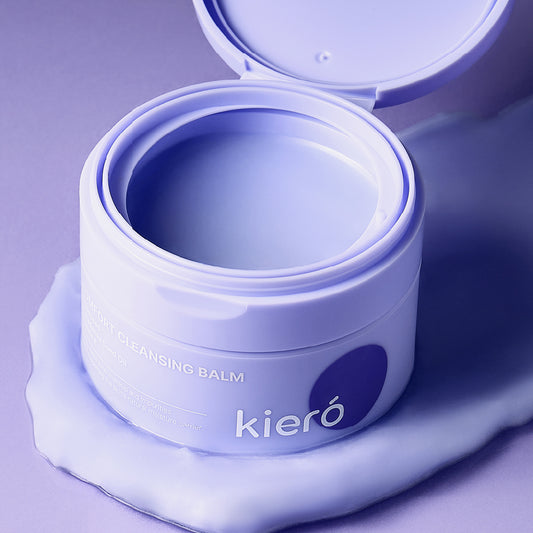
- Cleanse: The Refining Enzyme Cleanser (MXN 239) utilizes papaya enzymes, beta-glucan, and chia seed to gently clear away overnight oil. This powder-to-foam format clears surface debris without stripping natural lipids.
- Balance: Using the Balance Toner Pads (MXN 239) delivers AHA, PHA, and passion fruit extract directly to the pores. The use of enzymes and PHA provides gentle exfoliation to prevent the pore-clogging associated with humidity (Plymouth Meeting Dermatology, 2025).
- Treat: Apply the Essential Boost Serum (MXN 239). Kiero's Essential Boost Serum is formulated with peptides and niacinamide.
- Hydrate: Seal in the active ingredients with the Moisturizing Barrier Cream (MXN 259). Kiero's Moisturizing Barrier Cream contains blue agave and ceramides.
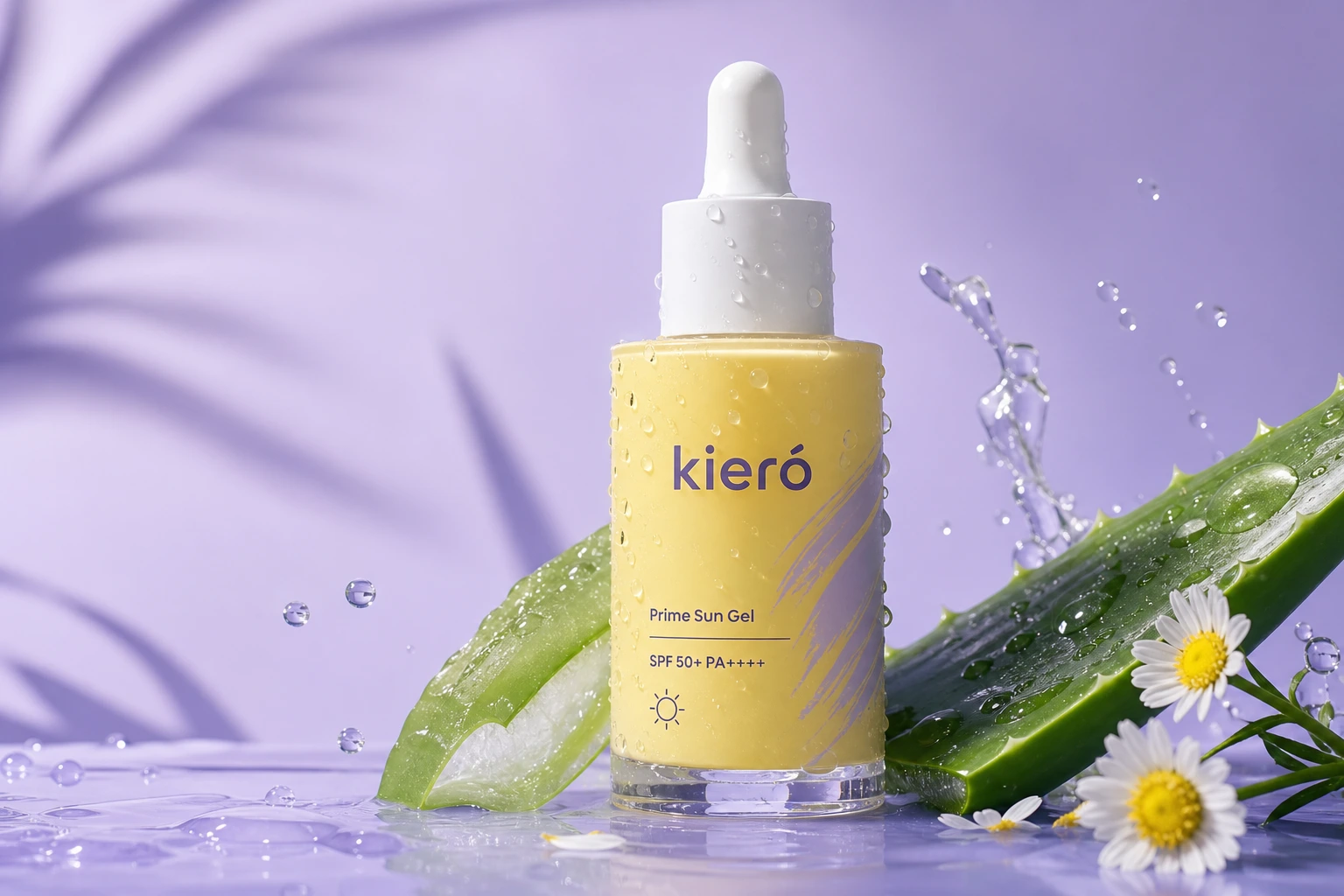
- Protect: Finish with the Prime Sun Gel SPF 40+ (MXN 249). This daily protector contains chamomile and azulene in a fast-absorbing gel texture that defends against UV damage.
Heartleaf vs Centella: Which is better for oily acne prone skin?
Heartleaf directly targets inflammatory redness and regulates sebum production, making it the superior choice for oily skin in humid environments. Centella functions better for dry skin barrier repair.
Understanding plant extracts is critical for tailoring a regimen to hot climates. While both botanical ingredients dominate modern skincare formulations, they serve entirely different primary functions. Industry bloggers report that Heartleaf is superior for oily and acne-prone skin in humid conditions because it directly addresses the root causes of excess oil (Beautylau, 2025).
Centella Asiatica remains a highly effective ingredient, but its lipid-rich composition and barrier-repair focus make it better suited for users facing harsh, dry winters or compromised skin barriers from over-exfoliation. Applying heavy Centella creams in a southern summer can occasionally lead to trapped heat.
| Feature | Heartleaf (Houttuynia Cordata) | Centella Asiatica (Cica) | Plant-Based Mucin (Tremella) |
|---|---|---|---|
| Primary Function | Regulates sebum and reduces redness | Repairs dry skin barriers | Provides weightless hydration |
| Climate Suitability | Humid coastal weather | Dry or cold climates | Southern US humidity |
| Skin Type Match | Oily and combination skin | Dry and sensitive skin | All skin types seeking light layers |
What are the best plant-based snail mucin alternatives?
Tremella mushroom and Japanese root extract phytomucins deliver high moisture retention without the thick finish of animal mucin. These vegan options feel completely weightless on the skin.
Consumers seeking a reflective glow often turn to snail mucin, but the dense, sticky texture feels overwhelming in high temperatures. Fortunately, botanical science provides exact functional replacements. Tremella mushroom is reported to hold more moisture than traditional hyaluronic acid while remaining significantly lighter on the skin, making it an ideal humectant for coastal humidity (India Times, 2025).
The industry continues to expand these vegan options rapidly. In January 2025, Byoma launched a vegan phytomucin using Japanese root extracts to provide a lightweight barrier breakthrough (The Industry Beauty, 2025). These plant-derived compounds mimic the stringy, hydrating texture of snail secretion but absorb into the epidermis much faster, preventing the tacky residue that traps airborne debris.
How do Korean lightweight serums perform in coastal humidity?
Water-based formulas absorb into the epidermis rapidly without leaving a greasy surface residue that traps sweat. This rapid absorption prevents the sticky sensation common in high heat.
When the air contains high levels of water vapor, the skin loses its ability to absorb thick lotions. Korean skincare science addresses this by suspending active ingredients in water-light gels and liquid serums. By layering multiple thin liquids, combination skin receives intense nourishment without any occlusive weight.
This specific product category has fundamentally changed the beauty market. The viral success of lightweight Korean SPFs and serums propelled brands like Beauty of Joseon from $83,000 in revenue in 2020 to $116.7 million by 2023 (Bio2Laser Studio, 2025). Users in hot climates discover that a water-burst texture provides the exact amount of moisture needed to plump fine lines while allowing sweat to evaporate naturally.
How does the Kiero routine fit humid US climates?
Kiero utilizes papaya enzymes and beta-glucan to manage sebum production while maintaining optimal hydration levels during summer heat. The formulas rely on rapid absorption technology to prevent shine.
Designing a regimen for Latin skin tones and high temperatures requires a focus on inflammation control and texture. Kiero specifically formulates its products to bridge the gap between K-Beauty science and the realities of hot, tropical, or southern weather.
Instead of forcing users to navigate complex 10-step systems, Kiero's product testing indicates that condensing the benefits prevents product buildup. The Balance Toner Pads provide measured daily exfoliation to stop breakouts before they form. Following up with the Essential Boost Serum ensures the skin receives firming peptides without heavy carrier oils. Finally, securing the routine with the Prime Sun Gel SPF 40+ ensures high-level UV defense with a cooling azulene finish that never clogs pores.
FAQS
FAQ
How to get glass skin without full ten step routine?
Condense your regimen into five focused steps using chemical exfoliants and water-based hydrators. Implementing a product like the Balance Toner Pads provides AHA and PHA exfoliation to refine texture without layering multiple separate acid toners. This streamlined approach prevents pore congestion in climates with over 70% humidity.
What is a 5 step glass skin routine cleanse balance treat hydrate sun protect?
This exact protocol begins with a foaming enzyme wash, follows with an acid-based toner pad, adds a targeted peptide serum, locks in water with a barrier cream, and finishes with an SPF 40 gel. The Refining Enzyme Cleanser initiates the process by clearing surface debris. Sources note that this specific progression maintains barrier health in high heat (Robert Wald MD, 2025).
How do I choose Korean serums lightweight humid coastal weather oily skin?
Select formulas built on water or gel bases containing niacinamide, peptides, and pantenol instead of heavy carrier oils. Products like the Essential Boost Serum absorb rapidly to deliver active ingredients before sweat can wash them away. The US market preference for these textures drove a 38% year-over-year sales increase in early 2025 (Bio2Laser Studio, 2025).
Is there a plant-based snail mucin alternative for oily skin hydration?
Tremella mushroom extract and phytomucin from Japanese roots serve as direct botanical replacements. These vegan compounds actually hold more moisture than traditional hyaluronic acid while resting significantly lighter on the epidermis (India Times, 2025). This makes them perfect for users who find animal mucin too sticky.
What is the difference between heartleaf vs centella for oily acne prone skin?
Heartleaf directly targets inflammatory redness and regulates sebaceous gland activity, making it highly effective for oily skin. Centella asiatica focuses heavily on repairing dry or damaged skin barriers. Industry bloggers report heartleaf as a superior botanical for acne management in hot weather (Beautylau, 2025).
Sun barrier collection
Discover Kiero's sun barrier collection to secure high-level UV protection with a refreshing, non-greasy finish.